Frugal living gets caricatured as clipping coupons and going without, but the real idea is spending deliberately on what matters and cutting hard on what does not. Done well, it buys freedom rather than misery. The challenge is that frugality touches both money mechanics and your relationship with possessions, and books that address only one leave the job half done.
The order that works starts with a money plan, moves through intentional spending and the minimalism that supports it, then points the savings toward long-term freedom.
The money plan
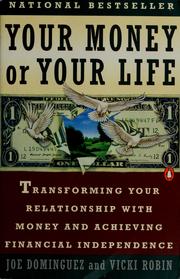
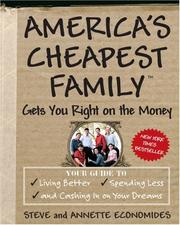
Start with structure. The total money makeover by Dave Ramsey gives a clear step-by-step plan that pairs naturally with a frugal mindset. Your Money or Your Life by Vicki Robin is the philosophical anchor of the whole path, teaching you to measure purchases in hours of your life and to track spending against real fulfillment. America's cheapest family gets you right on the money by Steve Economides is the tactical companion, full of concrete household strategies for groceries, cars, and bills. The automatic millionaire by David Bach then shows how automation makes frugal habits effortless.
Intentional spending and less stuff
Frugality and minimalism reinforce each other. The Life-Changing Magic of Tidying Up by Marie Kondo reframes possessions around what you actually want to keep, which curbs future buying. Goodbye, things by Fumio Sasaki takes minimalism further into daily practice. Essentialism by Greg McKeown broadens the idea beyond stuff to how you spend time and attention — the disciplined pursuit of less, but better. Together they make frugality a values decision rather than a sacrifice.
Wealth and freedom
The final arc points the savings somewhere. The millionaire next door by Thomas Stanley shows that ordinary frugal households, not big earners, quietly build most real wealth. The Little Book of Common Sense Investing by John Bogle explains how to grow the money you save through low-cost index funds. Close with Early Retirement Extreme by Jacob Lund Fisker, a rigorous, systems-level case for how deep frugality can buy financial independence remarkably fast.
A caution: investing involves real risk of loss, and these are educational books, not personalized financial advice. Read in this order and frugality becomes a path to freedom rather than a life of going without. Follow the full path from a money plan to intentional spending and long-term independence.
Follow the full reading path →
Ready to learn something deeply?
Build a reading path — free