Debt is rarely just a math problem. It is tangled with habits, emotions, and the systems around us, which is why people who know they should spend less still do not. The good news is that a clear plan plus a few durable habits beats willpower every time. But the personal-finance shelf is noisy, and reading the wrong books first can leave you motivated with no method.
The order that works gives you a concrete payoff plan, then the budgeting and credit mechanics, then the mindset and habits that keep you out of debt for good.
A plan and a why
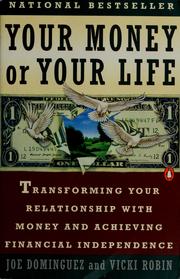
Start with momentum. The total money makeover by Dave Ramsey lays out a simple, aggressive step-by-step plan built around the debt snowball, and its clarity is why it has helped so many people start. Your Money or Your Life by Vicki Robin supplies the deeper motivation, reframing spending as hours of your life traded away, which changes how you feel about every purchase. One gives you the method; the other gives you the reason to stick to it.
Budgeting and credit
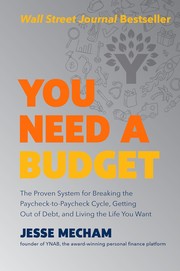
Now build the machinery. You need a budget by Jesse Mecham teaches a give-every-dollar-a-job system that makes overspending visible before it happens. Debt-free forever by Gail Vaz-Oxlade is a practical, no-nonsense payoff guide. The automatic millionaire by David Bach shows how automating your finances removes the daily willpower tax. For the credit side, Credit repair kit for dummies by Steve Bucci and The credit cleanup book by Shindy Chen explain how credit reports work and how to rebuild a damaged score legitimately.
Habits that last
The final arc is staying out. The millionaire next door by Thomas Stanley reveals that real wealth usually comes from ordinary frugal habits, not high income — a liberating finding. I will teach you to be rich by Ramit Sethi is a modern, systems-based approach to spending guilt-free on what you value while automating the rest. Close with The Little Book of Common Sense Investing by John Bogle, which points the money you free up toward low-cost index investing for the long run.
A caution: investing carries real risk of loss, and these books are education, not personalized financial advice — consider a fee-only advisor for your specific situation. Read in this order and getting out of debt becomes a repeatable plan rather than a willpower battle. Follow the full path from a payoff strategy to lasting financial habits.
Follow the full reading path →
Ready to learn something deeply?
Build a reading path — free