Best Books on Food Science, in Reading Order
This curriculum takes a beginner from intuitive kitchen curiosity all the way to professional-level food science, moving through four tightly sequenced stages: building sensory and culinary intuition, understanding the underlying chemistry and physics, mastering food safety and preservation, and finally exploring industrial food systems and flavor science. Each stage builds the vocabulary and conceptual framework needed to fully absorb the next.
Foundations: Curiosity & Culinary Intuition
BeginnerDevelop an intuitive, curiosity-driven understanding of why cooking works the way it does — building vocabulary around heat, texture, and flavor before any formal science.
▸ Study plan for this stage
Pace: 8–10 weeks, ~40–50 pages/day (mix of reading and active note-taking). Start with McGee's foundational chapters (Weeks 1–5), then transition to López-Alt's experimental approach (Weeks 6–10). Allow 1–2 days per week for hands-on kitchen experiments.
- Heat transfer and how different cooking methods (dry, moist, fat-based) transform food at the molecular level
- Protein denaturation and coagulation: why eggs solidify, meat firms up, and how temperature matters
- Emulsions and the role of emulsifiers: understanding why oil and water can mix in sauces, mayonnaise, and baked goods
- Maillard reaction and caramelization: the chemistry behind browning, flavor development, and crust formation
- Starch gelatinization and how water, heat, and agitation change texture in grains, thickeners, and baked goods
- Flavor compounds and how cooking methods extract, concentrate, or destroy aromatic molecules
- The scientific method applied to cooking: testing variables, controlling conditions, and learning from failure
- Intuitive vocabulary: building a mental model of *why* techniques work before memorizing rules
- Why does searing meat at high heat create a flavorful crust, and what chemical reaction is responsible?
- How does the temperature at which you cook an egg affect protein structure, and why does this matter for different dishes?
- What is an emulsion, and why do some sauces break while others stay creamy? How would you fix a broken hollandaise?
- Explain the difference between caramelization and the Maillard reaction. When does each occur, and what flavors do they produce?
- How does salt affect protein structure in meat and baked goods, and why should you salt differently depending on timing?
- What happens to starch when you heat it with water, and how does this explain the texture of risotto, gravy, or bread?
- Design a simple experiment to test how oven temperature affects the browning of a roasted vegetable. What would you measure?
- Cook eggs at different temperatures (160°F, 165°F, 170°F, 180°F) and observe protein coagulation. Document texture changes and relate them to McGee's protein denaturation chapters.
- Make three batches of mayonnaise: one standard, one with water added too quickly, one with oil added too quickly. Observe emulsion breakdown and repair it using McGee's troubleshooting principles.
- Sear identical cuts of meat at different temperatures (300°F, 400°F, 500°F) and compare crust color and flavor. Identify the Maillard reaction in action.
- Prepare a simple pan sauce (fond + liquid + fat) and taste it at different reduction stages. Notice how flavor concentrates and relate it to López-Alt's sauce-building methodology.
- Bake bread or cookies while varying salt timing (salt at mix, salt mid-knead, salt at end) and compare gluten development and texture using López-Alt's experimental framework.
- Cook risotto while varying stirring frequency and observe starch release and creaminess. Connect your observations to McGee's starch gelatinization section.
Next up: This stage builds the intuitive, vocabulary-rich foundation needed to move into the next level, where you'll apply these principles systematically to recipe development, ingredient substitution, and troubleshooting — transforming curiosity into reproducible technique.
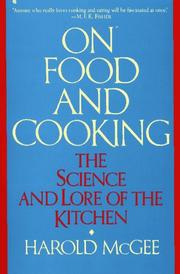
The canonical starting point for food science — McGee explains the biology, chemistry, and history behind everyday ingredients in plain, accessible language. It builds the essential vocabulary that every later book assumes you have.

Translates food science into hands-on kitchen experiments, reinforcing McGee's concepts with vivid, practical results. Reading it second grounds abstract ideas in tangible cooking outcomes.
Chemistry & Physics of Cooking
IntermediateUnderstand the molecular and physical mechanisms behind cooking — protein denaturation, emulsification, starch gelatinization, heat transfer, and the Maillard reaction — at a rigorous but accessible level.
▸ Study plan for this stage
Pace: 6–8 weeks, ~40–50 pages/day, with 2–3 days per week dedicated to hands-on experiments
- Protein denaturation and coagulation: how heat, acid, and mechanical action unfold protein structures and alter texture (from Modernist Cuisine at Home's protein chapters)
- Emulsification and colloidal systems: the role of emulsifiers in binding oil and water, and how to stabilize or break emulsions intentionally (from The Kitchen as Laboratory's chemistry of sauces)
- Starch gelatinization and retrogradation: how starch granules absorb water and swell under heat, and why bread stales (from Cooking for Geeks' starch science)
- The Maillard reaction and browning: how amino acids and reducing sugars react at high temperatures to create flavor and color (covered across all three books)
- Heat transfer mechanisms: conduction, convection, and radiation in cooking vessels and food (from Modernist Cuisine at Home's equipment and technique sections)
- Water's role as a solvent and heat medium: how water activity, boiling point elevation, and hydration affect cooking outcomes
- Enzymatic reactions in cooking: how enzymes break down proteins (proteases), fats (lipases), and carbohydrates (amylases) before and during cooking
- Texture transformation through molecular change: how understanding molecular mechanisms allows you to predict and control mouthfeel, crispness, and tenderness
- Explain what happens to a protein's structure when it denatures, and describe three different ways you can denature a protein in the kitchen (heat, acid, mechanical action). Which method does Modernist Cuisine at Home emphasize for different proteins?
- What is an emulsion, and why do oil and water normally not mix? Describe how an emulsifier works at the molecular level, and give examples of natural emulsifiers discussed in The Kitchen as Laboratory.
- What is starch gelatinization, and how does it differ from starch retrogradation? Why does bread go stale, and what does Cooking for Geeks suggest about preventing or reversing staling?
- Describe the Maillard reaction: what reactants are involved, at what temperature does it occur, and why is it crucial for flavor development? How do the three books explain the difference between Maillard browning and caramelization?
- Explain the three mechanisms of heat transfer (conduction, convection, radiation) and give a specific cooking example for each. How does Modernist Cuisine at Home use this knowledge to recommend cooking methods?
- Why does water have such a high boiling point compared to similar molecules, and how does this property affect cooking? What role does water activity play in food preservation and texture?
- Denature proteins three ways: (1) Cook an egg white to observe heat denaturation; (2) Cure fish with salt and acid (ceviche) to observe acid denaturation; (3) Mechanically work ground meat to observe texture change. Document the visual and textural differences and relate them to the protein unfolding described in Modernist Cuisine at Home.
- Make three emulsions (mayonnaise, hollandaise, vinaigrette) and deliberately break one by adding cold water too quickly or whisking too vigorously. Observe the separation under a magnifying glass or microscope if available. Explain what happened at the molecular level using concepts from The Kitchen as Laboratory.
- Cook rice or pasta, then refrigerate it overnight. Cook it again (fried rice or pasta salad). Taste and describe the texture change. Research and document how starch retrogradation affected the starch granules, referencing Cooking for Geeks' explanation.
- Conduct a Maillard reaction experiment: brown ground meat at different temperatures (low simmer vs. high sear) and compare color, aroma, and flavor. Relate your observations to the Maillard reaction chemistry discussed across all three books.
- Measure internal temperature of a thick protein (chicken breast, steak) at different cooking times using a meat thermometer. Plot temperature vs. time and identify the plateau phase (where heat transfer slows). Explain the heat transfer mechanism at play, referencing Modernist Cuisine at Home's guidance.
- Make a stock or gelatin-based dish and observe how it sets as it cools. Explain the role of collagen denaturation and gelatin's gelling mechanism using concepts from The Kitchen as Laboratory and Modernist Cuisine at Home.
Next up: This stage equips you with the molecular vocabulary and mechanistic understanding to move into the next stage—whether that focuses on recipe development, ingredient interactions, or advanced techniques—by giving you the 'why' behind cooking, so you can troubleshoot, innovate, and adapt recipes with confidence.
Bridges the gap between kitchen intuition and real food physics, covering sous vide, gels, emulsions, and heat transfer with stunning clarity. It is the most accessible entry point into the Modernist Cuisine universe.

A peer-reviewed collection of scientific essays on culinary phenomena — ideal at this stage because it introduces the academic, experimental mindset of food science proper, building on the physical intuitions already established.
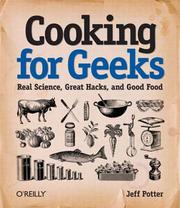
Fills in the chemistry side with an engineer's perspective, covering Maillard reactions, pH, and texture in a conversational tone that consolidates and deepens the chemistry concepts before moving to more technical texts.
Food Safety, Preservation & Microbiology
IntermediateUnderstand the science of keeping food safe and shelf-stable — microbial spoilage, fermentation, water activity, pH control, canning, curing, and modern preservation techniques.
▸ Study plan for this stage
Pace: 8–10 weeks, ~25–30 pages/day with 2–3 days per week for hands-on fermentation projects
- Fermentation as a metabolic process: how microorganisms (bacteria, yeasts, molds) break down sugars and starches to produce acids, alcohol, and CO₂, creating preservation through pH reduction and anaerobic conditions
- Microbial ecology and starter cultures: understanding wild fermentation vs. controlled fermentation, the role of beneficial microbes (LAB, Saccharomyces), and how to manage microbial populations through salt, temperature, and oxygen exclusion
- Water activity and osmotic pressure: how salt concentration and sugar content reduce available water for microbial growth, enabling preservation in fermented foods like kimchi, sauerkraut, and miso
- Anaerobic conditions and oxygen exclusion: the importance of submerged vegetables, airlocks, and sealed vessels in preventing pathogenic mold growth while allowing beneficial LAB fermentation
- Flavor development through fermentation: how enzymatic and microbial activity breaks down proteins, fats, and carbohydrates to create complex flavors, aromas, and textures in fermented foods
- Cultural and regional fermentation traditions: how different fermentation practices (Asian, European, African, American) reflect local ingredients, climate, and microbial ecosystems
- Troubleshooting fermentation: recognizing signs of successful fermentation (bubbling, sour aroma, cloudy brine) vs. contamination (mold, off-odors), and how to intervene with salt, temperature, or starter cultures
- Explain how lactic acid fermentation preserves food and why pH reduction is critical to food safety.
- What is the difference between wild fermentation and controlled fermentation, and when would you use each approach?
- How do salt concentration and water activity work together to inhibit pathogenic microbes while allowing beneficial LAB to thrive?
- Describe the role of anaerobic conditions in fermentation and why oxygen exclusion prevents mold contamination.
- What are the key sensory and chemical indicators that a fermentation is proceeding successfully vs. failing?
- How do fermentation practices vary across cultures, and what does this reveal about adapting fermentation to local ingredients and climates?
- Ferment a batch of sauerkraut (cabbage + salt) over 2–4 weeks, monitoring pH, taste, and aroma daily; document observations and compare wild vs. starter-culture versions
- Prepare a vegetable fermentation (kimchi, pickled vegetables, or mixed ferment) using Katz's techniques; practice submerging vegetables, managing brine concentration, and recognizing fermentation stages
- Conduct a salt-concentration experiment: ferment identical vegetable batches at 2%, 3%, and 5% salt to observe how water activity affects fermentation speed and microbial ecology
- Ferment a grain or legume-based product (rejuvelac, tempeh starter, or miso-style paste) to understand how fermentation works with different substrates and longer timescales
- Taste and analyze 3–4 commercial fermented products (yogurt, kombucha, miso, kimchi) for flavor complexity, acidity, and microbial indicators; compare to your homemade versions
- Create a fermentation troubleshooting journal: document one successful and one failed fermentation, identifying what went right/wrong and how salt, temperature, or starter cultures influenced the outcome
Next up: This stage grounds you in how microorganisms and chemistry preserve food through fermentation; the next stage will expand to other preservation methods (canning, curing, drying, freezing) that use different mechanisms—heat, salt, water removal, and cold—to achieve food safety without relying on microbial activity.

The definitive guide to fermentation as both craft and science — it introduces microbiology, pH, and anaerobic chemistry through deeply practical, well-explained examples, making microbial food science approachable.
Provides a focused, evidence-based overview of foodborne pathogens, contamination pathways, and the regulatory science behind food safety standards — essential knowledge before tackling industrial food systems.
Flavor, Texture & Industrial Food Science
ExpertMaster the science of flavor perception, texture engineering, and how the food industry applies food science at scale — from flavor chemistry and sensory evaluation to food additives, processing, and product development.
▸ Study plan for this stage
Pace: 8–10 weeks, ~40–50 pages/day (mix of dense science and applied content; allow extra time for Reineccius and Singh chapters)
- Flavor perception as a multisensory experience: how olfaction, taste, and retronasal olfaction combine in the brain (Shepherd's neurogastronomy framework)
- Flavor chemistry fundamentals: volatile compounds, chemical structures, and how molecular properties determine sensory perception (Reineccius)
- Sensory evaluation methods: descriptive analysis, triangle tests, and consumer panels for measuring flavor and texture objectively
- Texture engineering: how food structure, particle size, hydrocolloids, and processing affect mouthfeel and consumer acceptance
- Food additives and their functional roles: emulsifiers, thickeners, preservatives, and flavor compounds used in industrial formulation (Potter, Reineccius)
- Food processing operations at scale: thermal processing, mixing, extrusion, and how these affect flavor and texture stability (Singh, Potter)
- Product development workflow: from sensory target definition through formulation, processing, and shelf-life testing in industrial contexts
- Flavor stability and degradation: oxidation, hydrolysis, and interaction with food matrix during storage and processing
- Explain how retronasal olfaction differs from orthonasal olfaction and why this distinction matters for flavor perception (Shepherd).
- What are the main classes of flavor compounds (esters, aldehydes, ketones, etc.) and how do their chemical structures influence their sensory properties? (Reineccius)
- Describe the difference between descriptive sensory analysis and affective testing, and when each is appropriate in product development.
- How do hydrocolloids and emulsifiers modify texture, and what mechanisms allow them to create specific mouthfeel attributes?
- Walk through a complete food processing operation (e.g., sauce or beverage production) and identify where flavor and texture can be lost or modified (Singh, Potter).
- What is the relationship between food structure (particle size, porosity, water content) and sensory perception of texture and flavor release?
- Conduct a retronasal vs. orthonasal tasting: taste a flavored food (e.g., apple, coffee) with nose pinched, then release; document the difference in perception and map it to Shepherd's neural model.
- Analyze a commercial food product's ingredient list: identify all flavor compounds, additives (emulsifiers, thickeners, preservatives), and explain their functional roles using Reineccius and Potter.
- Design a simple sensory evaluation panel: create a flavor descriptor list for a food (e.g., yogurt, soup), train 3–5 tasters, and conduct a triangle test comparing two formulations.
- Extract and compare flavor profiles: prepare two versions of a simple dish (e.g., tomato sauce) with different processing times or temperatures; taste and document how processing affects flavor intensity and texture.
- Calculate and optimize a food formulation: choose a product (e.g., salad dressing, pudding), adjust hydrocolloid or emulsifier levels, and evaluate texture changes using descriptive terms.
- Trace a flavor compound through processing: select one volatile compound (e.g., limonene in citrus), research its stability under heat, pH, and oxidation, and predict losses in a real industrial process (Singh, Potter).
Next up: This stage equips you with the sensory science, chemistry, and engineering fundamentals to understand how food systems are designed and optimized; the next stage will likely deepen your ability to apply these principles to emerging challenges such as clean-label formulation, sustainability, or personalized nutrition.
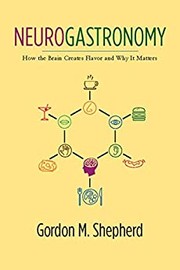
Explains how the brain constructs flavor from aroma, taste, and sensation — a paradigm-shifting read that reframes everything learned so far through the lens of neuroscience and sensory perception.
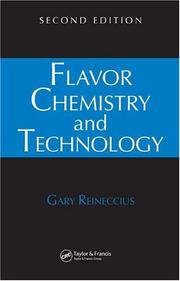
The authoritative technical reference on flavor compounds, their synthesis, stability, and application in food products — the natural next step after Shepherd's perceptual framework.
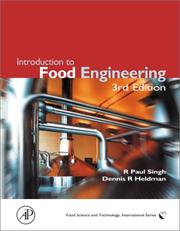
Covers the engineering principles behind industrial food processing — heat exchangers, drying, extrusion, and packaging — giving the reader a complete picture of how food science operates at commercial scale.
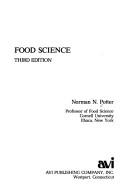
A comprehensive, university-level textbook that synthesizes chemistry, microbiology, preservation, and processing into one unified framework — the ideal capstone that ties together every previous stage of the curriculum.
Discussion
Keep reading
Paths that share books, cover the same subject, or open a related topic.