Best books to learn Fair Isle and colorwork knitting
This curriculum starts at the intermediate level, assuming the learner already knits comfortably, and builds systematically from core stranded colorwork technique through chart literacy and yarn dominance, into the deep traditions and advanced design logic of Fair Isle knitting. Each stage sharpens a specific layer of mastery — technique, pattern literacy, and finally historical and creative fluency — so that by the end the learner can both execute and design authentic Fair Isle work with confidence.
Stranded Colorwork Foundations
IntermediateBuild a solid technical foundation in two-color stranded knitting: managing floats, reading simple charts, maintaining gauge, and understanding yarn dominance before tackling multi-color Fair Isle patterns.
▸ Study plan for this stage
Pace: 4–5 weeks, ~20–25 pages/day, with 2–3 dedicated practice days per week for swatches and samples
- Yarn fiber content, weight, and construction fundamentals and how they affect stranded colorwork performance
- Yarn dominance: how fiber characteristics influence which color appears more prominent in two-color knitting
- Float management principles: tension, length, and yarn choice to prevent puckering and snagging
- Reading and interpreting basic two-color knitting charts with attention to stitch placement and color transitions
- Gauge consistency in stranded work: how yarn properties and tension interact to maintain even fabric
- Practical yarn selection for stranded colorwork: matching fiber, weight, and construction to pattern requirements
- The relationship between yarn characteristics and visual color blending in two-color patterns
- How do different fiber contents (wool, cotton, synthetic blends) affect the behavior of floats and the appearance of two-color stranded knitting?
- What is yarn dominance, and how can you predict which color will appear more prominent based on yarn characteristics?
- How do you select appropriate yarn weight and construction for a stranded colorwork project, and what problems arise from poor yarn pairing?
- What strategies from Parkes' discussion of yarn properties can you apply to manage float length and prevent puckering in your own swatches?
- How do yarn fiber characteristics influence gauge stability in stranded work, and why does this matter for Fair Isle patterns?
- Given a simple two-color chart and specific yarn choices, how would you predict potential tension or color-blending issues before knitting?
- Knit a series of 4×4 inch swatches in two colors using the same stitch pattern but varying yarn weights (fingering, sport, worsted) to observe how yarn thickness affects float appearance and fabric drape
- Create a yarn fiber comparison chart: select 4–6 different yarns (wool, cotton, acrylic, blends) and knit identical small two-color swatches to document how fiber content influences color dominance and float behavior
- Practice reading a simple two-color chart (8–12 stitches wide, 12–16 rows) and knit it in at least two different yarn-color combinations, noting how yarn choice changes the visual impact
- Knit tension swatches in two colors while deliberately varying your float tension (loose, medium, tight) to identify the sweet spot that prevents puckering without creating loose loops
- Analyze a finished Fair Isle garment (yours or a reference photo) and identify the yarn fiber, weight, and likely color dominance; write a brief note on how these choices support the pattern design
- Swatch a simple two-color pattern in a yarn pairing you think might be problematic (e.g., very different weights or fiber contents) and document the issues; then reswatch with better-matched yarns and compare
Next up: Understanding yarn properties and their impact on two-color stranded knitting prepares you to confidently select and manage multiple yarns in complex Fair Isle patterns, where color harmony, float control, and gauge precision become critical across three or more colors.
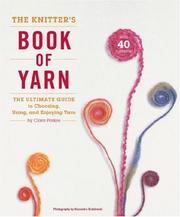
Understanding fiber and yarn behavior is critical for Fair Isle work; Parkes explains how wool's elasticity and loft affect stranded knitting, giving the learner an informed basis for yarn selection.
Reading Charts & Working in the Round
IntermediateBecome fluent in reading colorwork charts, working seamlessly in the round, and managing multiple colors across a row — the core mechanics of authentic Fair Isle construction.
▸ Study plan for this stage
Pace: 4–5 weeks, ~20–25 pages/day, with 2–3 days per week dedicated to hands-on practice
- Reading and interpreting Fair Isle colorwork charts: symbols, color keys, and row direction conventions
- Circular knitting techniques: needles, cast-on methods, and joining in the round without twisting
- Managing multiple colors in a single row: tension, floats, and color dominance in stranded colorwork
- Gauge and its critical role in Fair Isle—how it affects pattern integrity and finished dimensions
- Traditional Fair Isle construction methods: authentic techniques for managing yarn and maintaining even tension
- Steeking and cutting for armholes and openings in seamless Fair Isle garments
- Reading and adapting patterns from historical Fair Isle sources and vintage documentation
- How do you read a Fair Isle chart, and what do the symbols and color keys tell you about which yarn to use on each stitch?
- What are the key steps for casting on and joining in the round without creating a twist, and why does this matter for Fair Isle?
- How do you manage tension and floats when working with two colors in a single row, and what happens if floats are too tight or too loose?
- Why is gauge so critical in Fair Isle knitting, and how do you measure and adjust it before starting a project?
- What are the differences between working Fair Isle flat versus in the round, and what advantages does the round offer?
- How does steeking work, and when and why would you use it in a Fair Isle garment?
- Work a small circular swatch (4–6 inches) in stockinette in the round, practicing even tension and identifying the 'jog' where rounds join
- Knit a 6×6 inch colorwork swatch in the round using a simple two-color Fair Isle pattern (e.g., a basic geometric repeat), paying attention to float length and color dominance
- Practice casting on using at least two methods (e.g., long-tail and provisional cast-on) and practice joining in the round with both DPNs and circular needles
- Read and annotate a Fair Isle chart from the book, marking row numbers, color changes, and stitch repeats; then knit the first 10 rows to verify your understanding
- Measure and calculate gauge from your practice swatches; compare your gauge to the book's recommendations and adjust needle size if needed
- Knit a small Fair Isle tube (8–10 inches tall) in the round, then practice steeking by cutting a vertical line up the center and securing the edges with a crochet hook or sewing machine
- Analyze a vintage or historical Fair Isle pattern from the book's documentation; identify the chart, color sequence, and any notes on construction, then sketch your own simple two-color pattern
Next up: This stage equips you with the mechanical fluency and pattern-reading skills needed to move into designing and customizing Fair Isle garments, where you'll apply these core techniques to full-scale projects with shaping, fit, and personal color choices.

This foundational text explains the traditional construction logic of seamless, in-the-round garments and introduces chart reading in the context of ethnic knitting traditions, bridging technique and culture.
Fair Isle Technique & Authentic Patterns
IntermediateMaster the specific conventions of Fair Isle knitting — OXO and peerie motifs, traditional banded layout, steek construction, and the two-color-per-row rule — through hands-on, pattern-driven practice.
▸ Study plan for this stage
Pace: 4–5 weeks, ~25–30 pages/day, with 2–3 days per week dedicated to hands-on knitting practice
- The two-color-per-row rule and why it defines Fair Isle construction
- OXO and peerie motifs: structure, proportions, and their role in traditional designs
- Traditional banded layout: how motifs are organized vertically and horizontally across garments
- Steek construction: purpose, placement, and cutting techniques for Fair Isle garments
- Color dominance and recessive colors in pattern readability and visual hierarchy
- Gauge and tension management with two colors held simultaneously
- Reading Fair Isle charts and translating them into knit stitches
- Historical context and regional variations in Fair Isle pattern conventions
- What is the two-color-per-row rule and why is it fundamental to Fair Isle knitting?
- How do OXO and peerie motifs differ structurally, and how are they typically used in traditional Fair Isle designs?
- What is a steek, where is it placed in a Fair Isle garment, and what is the process for cutting and finishing it?
- How should you organize motifs and bands vertically and horizontally to create an authentic Fair Isle layout?
- What is color dominance, and how does it affect pattern clarity and visual impact?
- How do you manage gauge and tension when holding two colors simultaneously?
- How do you read a Fair Isle chart, and what conventions should you follow when translating it to knitting?
- What are the key differences between Fair Isle patterns from different regions, and how do these reflect historical conventions?
- Knit a small swatch (at least 20 stitches × 30 rows) using the two-color-per-row technique, practicing color changes and tension consistency
- Chart and knit a simple OXO motif repeat (8–12 stitches wide) in two colors, then a peerie motif, comparing how each reads visually
- Create a banded layout sketch on graph paper: design a vertical arrangement of 3–4 different motifs with spacing and bands, then knit a 4–6 inch vertical sample following your design
- Knit a small garment section (sleeve cap or yoke, 6–8 inches) that includes a steek placement; cut and finish the steek using the method described in Feitelson's text
- Practice reading and knitting from a Fair Isle chart: select a traditional pattern from the book and knit at least one full pattern repeat, noting any adjustments needed for your gauge
- Experiment with color dominance: knit the same motif twice using different color combinations (swap which color is dominant), then compare how each version reads and photograph them side-by-side
Next up: This stage equips you with the technical mastery and pattern vocabulary of Fair Isle conventions, preparing you to design original Fair Isle patterns and adapt historical designs to contemporary garments in the next stage.
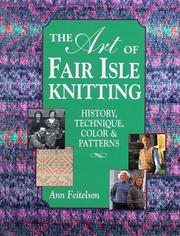
Feitelson systematically explains color placement, yarn dominance in a Fair Isle context, and how to build and adapt traditional banded patterns — a crucial bridge between technique and design thinking.
Design Mastery & Creative Fluency
ExpertMove from executing existing patterns to designing original Fair Isle colorwork: building personal palettes, constructing motif grids, balancing visual rhythm, and creating garments with a coherent traditional aesthetic.
▸ Study plan for this stage
Pace: 4–5 weeks, ~25–30 pages/day, with 2–3 dedicated design practice days per week
- Color theory applied to Fair Isle: hue, saturation, value, and how they create visual hierarchy and balance in colorwork
- Poetic composition as a framework for designing Fair Isle motifs: rhythm, repetition, and variation as design principles
- Building a personal color palette: selecting harmonious color combinations that reflect traditional Fair Isle aesthetics while expressing individual voice
- Motif construction on grid paper: translating visual ideas into repeatable units that work within Fair Isle technical constraints
- Visual rhythm and pacing: how motif placement, scale, and color transitions guide the eye across a garment
- Coherence in garment design: maintaining aesthetic unity across multiple pattern repeats and color blocks
- The relationship between technical knitting limitations and creative design choices
- How do hue, saturation, and value work together to create visual emphasis in a Fair Isle design, and how would you adjust these properties to highlight a focal motif?
- What poetic devices (repetition, variation, rhythm, contrast) does Keele discuss, and how can you apply them to create compelling Fair Isle colorwork?
- How do you build a cohesive personal color palette that honors Fair Isle tradition while reflecting your own aesthetic preferences?
- What are the technical constraints of Fair Isle knitting, and how do they inform your choices when designing motifs on a grid?
- How can you use visual rhythm and pacing to guide a viewer's eye through a garment and create a sense of movement or stability?
- What makes a Fair Isle design feel 'finished' or coherent across an entire garment, rather than a collection of isolated patterns?
- Create 3–4 color palettes inspired by different sections of 'Poems of Color': extract Keele's color language and translate it into knitting yarns, documenting your choices and reasoning
- Design 5–6 original motifs (8×8 to 12×12 stitches) on graph paper, each exploring a different poetic principle from Keele (e.g., repetition with variation, contrast, symmetry); label the principle each embodies
- Knit at least two Fair Isle color swatches (6×6 inches minimum) using your designed motifs and custom palettes; photograph and annotate them with notes on how the design reads in actual yarn versus on paper
- Sketch a full garment layout (sweater front/back or sock leg) incorporating 2–3 of your motifs with intentional color transitions and visual pacing; justify your placement choices in writing
- Analyze 2–3 traditional Fair Isle garments (from museum collections, books, or online archives) using Keele's color and compositional language; write a short reflection on how traditional makers used rhythm and balance
- Create a 'design journal' entry for one completed motif or palette, documenting your creative process, color decisions, and how it reflects both Keele's poetic framework and Fair Isle tradition
Next up: This stage equips you with the conceptual and practical tools to design original, intentional Fair Isle work grounded in color theory and poetic composition; the next stage will likely focus on scaling these designs into full garments, refining technical execution, and developing a distinctive design voice ready for publication or professional practice.

Keele's landmark book on Scandinavian and Fair Isle-influenced colorwork teaches the underlying design grammar — how motifs relate, how color creates rhythm — giving the learner the tools to compose original patterns.
Discussion
Keep reading
Paths that share books, cover the same subject, or open a related topic.