Indigo is unlike any other dye: it does not simply soak into cloth but oxidizes in the air, blooming from yellow-green to deep blue before your eyes. Shibori — the Japanese art of resist dyeing by folding, binding, and stitching — turns that magic into intricate pattern. Learning them together means understanding both a chemistry and a design tradition, which is why the reading order matters.
The path starts with the human and chemical story of the dye, moves into the shibori techniques that shape it, and closes with growing and harvesting your own color.
Fall for the dye and learn the chemistry
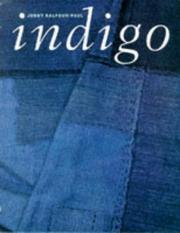
Start with Indigo, Jenny Balfour-Paul's definitive history of the dye across cultures and centuries — it gives the craft its soul. Then get practical and technical with Indigo: Cultivate, Dye, Create and The Art and Science of Natural Dyes, Joy Boutrup and Catharine Ellis's rigorous treatment of how natural dyes actually work. This foundation keeps your later results reliable rather than accidental.
Master shibori resist
Now to pattern. Shibori by Yoshiko Iwamoto Wada is the foundational English text on the technique, and Memory on Cloth, her later book, expands it with contemporary and industrial methods. Shibori by Karren Brito offers a hands-on modern approach. Shibori: The Art of Fabric Tying, Folding, Pleating and Dyeing rounds out the resist toolkit with clear project-based instruction.
Extend into stitch and a dye garden
Finally, widen your craft. The geometry of hand-sewing, Natalie Chanin's meditative guide to stitching, deepens the stitched-resist (nui) shibori techniques. Then grow your own palette: A dyer's garden, Rita Buchanan's guide, and Harvesting Color, Rebecca Burgess's seasonal foraging book, teach you to cultivate and gather dye plants — closing the loop from soil to cloth.
Follow the full path to see each book placed in its stage with a study plan.
Follow the full reading path →
Ready to learn something deeply?
Build a reading path — free