Fair Isle, or stranded colorwork, means carrying two yarns across a row to build repeating patterns. The mechanical part — floating the unused color evenly — is learnable in an afternoon. The lasting challenge is color: which shades sing together, how to grade a palette, how to make a pattern shimmer. That artistic side is why this path pairs technique with color theory and the Shetland heritage that perfected it.
Read in order, you learn to knit two colors cleanly, then to choose them well, then to draw on centuries of tradition for your own designs.
Master the technique
Start with Colorwork Knitting, Felicity Ford's clear, encouraging introduction to holding and stranding two colors, and Knitting in the Old Way, Priscilla Gibson-Roberts's guide to seamless, in-the-round construction — the natural home for Fair Isle. Together they give you the physical skill and the garment logic.
Understand yarn and color
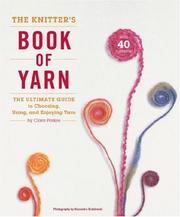
Great colorwork lives or dies by materials and palette. The knitters book of yarn, Clara Parkes's definitive guide, teaches you how fiber and ply behave, and Stranded Colorwork Sourcebook, another Felicity Ford book, is a deep well of motifs and, crucially, color combinations to study and adapt.
Enter the Shetland tradition
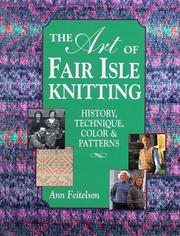
Now go to the source. Fair Isle Knitting by Donna Smith, a Shetlander, and The Art of Fair Isle Knitting, Ann Feitelson's respected study, ground you in the authentic patterns and history. Shetland Knitting and The Shetland Knitter's Notebook, Mary Jane Mucklestone's working collection, give you a rich pattern library to knit from.
Explore heritage lace
Finally, broaden into the islands' other great craft. A Legacy of Shetland Lace and Poems of color, Wendy Keele's history of Bohus knitting, connect Fair Isle to the wider world of heritage colorwork and lace, rounding out your understanding of the tradition.
Follow the full path to see each book placed in its stage with a study plan.
Follow the full reading path →
Ready to learn something deeply?
Build a reading path — free