The Best Graphic Novels to Read
This curriculum guides you from the most accessible, visually driven graphic novels through increasingly layered and literary works, building your "comics literacy" — your ability to read panel composition, visual metaphor, and sequential storytelling — at each stage. By the end, you'll have experienced the full range of what the medium can achieve, from memoir and superhero deconstruction to surrealist fiction and literary journalism.
First Panels: Gateway Reads
BeginnerGet comfortable reading sequential art, following visual storytelling, and understanding how words and images work together in the graphic novel format.
▸ Study plan for this stage
Pace: 4–5 weeks, ~40–50 pages/day. Start with "Smile" (around 240 pages) over 5–6 days, then "Bone" (complete series ~1,300 pages) over 3–4 weeks, allowing time for reflection and exercises between and after each book.
- Panel layout and flow: how the arrangement of panels on a page guides the reader's eye and controls pacing
- Visual storytelling without words: using facial expressions, body language, and environmental details to convey emotion and plot
- Word-image integration: how dialogue, captions, and sound effects work alongside illustrations to create meaning
- Character development through visual consistency: recognizing how repeated visual traits build character identity across pages
- Tone and mood through art style: understanding how line weight, color (or lack thereof), and perspective choices shape the reader's emotional response
- Narrative perspective in sequential art: identifying whose viewpoint we're following and how visual framing creates that perspective
- Comedic and dramatic timing in comics: recognizing how panel size, white space, and visual gags create humor or tension
- How does Raina Telgemeier use close-ups and full-page panels in 'Smile' to emphasize emotional moments (like the dental accident or Raina's embarrassment at school)?
- In 'Bone,' how do Jeff Smith's character designs—particularly the Bones' simple shapes versus the Rat Creatures' more complex features—communicate personality and role in the story?
- Describe a scene from either book where the visual composition (panel size, perspective, or layout) creates tension or humor without relying on dialogue.
- How do the two books use color differently, and what effect does each choice have on the reading experience? (Consider 'Smile's' color palette versus 'Bone's' black-and-white with occasional color.)
- Identify a moment in 'Smile' where facial expressions alone convey Raina's internal emotional state—what visual details make this work?
- In 'Bone,' how does the visual contrast between the Bones' comedic scenes and the darker, more serious moments (like encounters with the Lord of the Locusts) shape your understanding of the story's tone?
- Redraw a key scene from 'Smile' (e.g., the dental accident or a school moment) using a different panel layout—fewer panels, more panels, or different sizes—and reflect on how your changes alter pacing and emotional impact.
- Create a character study sheet for one protagonist from each book (Raina from 'Smile' and one Bone character). Use screenshots/sketches to document their visual traits, expressions, and how these elements communicate their personality.
- Write a 1-page scene from 'Bone' or 'Smile' in prose form, then compare it to the original graphic novel version. Note what visual information you had to add as words, and what emotional nuance was lost.
- Analyze a 3–4 panel sequence from 'Bone' where no dialogue appears. Describe what's happening, what emotions are conveyed, and which visual elements (expressions, body language, environment) carry the narrative.
- Create a 6–8 panel comic strip (your own original story, 1–2 pages) that tells a simple emotional moment using primarily visual storytelling, with minimal or no dialogue. Focus on facial expressions and body language.
- Compare two scenes of conflict or tension—one from 'Smile' and one from 'Bone'—and map out how each artist uses panel size, perspective, and visual pacing to build suspense or convey stakes.
Next up: Mastering visual literacy and the mechanics of sequential art in these accessible, character-driven stories prepares you to tackle more complex narrative structures, experimental panel layouts, and thematically dense graphic novels in the next stage.

A warm, fast-moving memoir with clear, expressive art — the perfect first graphic novel for building the habit of reading panels in sequence without any intimidating complexity.
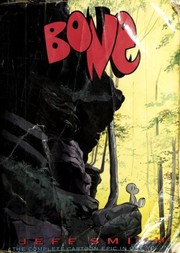
An epic adventure in a single volume that introduces richer panel layouts, visual comedy, and sustained world-building, showing how graphic novels can carry a full novel-length story.
The Canon Cornerstones
BeginnerRead the two most celebrated and foundational graphic novels in the Western tradition, understanding why they permanently elevated the medium's reputation.
▸ Study plan for this stage
Pace: 8–10 weeks, ~40–50 pages/day (accounting for dense panels and re-reading passages). Week 1–4: Maus I (approximately 160 pages); Week 5–10: Watchmen (approximately 400 pages, with breaks for reflection).
- How graphic novels use sequential art (panel layout, pacing, visual metaphor) to tell stories that prose alone cannot
- Maus's use of animal metaphors (Jews as mice, Nazis as cats) to represent historical trauma and the ethics of depicting the Holocaust
- The narrative frame in Maus: how Art's present-day interviews with his father Vladek create dialogue between past and present
- Watchmen's deconstruction of superhero mythology and the moral ambiguity of vigilante violence in a nuclear-age geopolitical context
- How Watchmen uses formal innovation (the nine-panel grid, recurring symbols like the smiley face, parallel storylines) to build thematic depth
- The role of metatextual commentary: how both works reflect on the medium itself and challenge reader expectations
- Why these two works shifted critical and cultural perception of graphic novels from 'children's entertainment' to serious literary art
- How does Spiegelman's use of animal metaphors in Maus function differently than a written Holocaust narrative, and what does the visual medium add?
- Explain the significance of the narrative frame in Maus: why does Art's present-day relationship with his father matter to the story of the Holocaust?
- What is the central moral question posed by Watchmen, and how do the different characters' answers to it reveal their ideological positions?
- How does Moore's use of the nine-panel grid structure in Watchmen reinforce the book's themes about control, surveillance, and determinism?
- Compare how Maus and Watchmen each use their respective mediums to challenge or subvert reader expectations about what graphic novels can do
- Why are Maus and Watchmen considered watershed moments in the legitimization of graphic novels as a serious art form?
- After reading Maus I, create a visual map of the narrative structure showing how Art's present-day scenes alternate with Vladek's flashbacks—note how the pacing shifts between them
- Select three key scenes from Maus and analyze the panel layout: how does Spiegelman use panel size, gutters, and visual perspective to control pacing and emotional impact?
- Write a 2–3 page reflection on the ethics of the animal metaphor in Maus: what does it accomplish, and what are its limitations or potential problems?
- Read Watchmen's opening chapter twice: first for plot, then specifically tracking the recurring visual symbols (the smiley face, clocks, etc.). Create an annotated list of what each symbol suggests thematically
- Map out the nine-panel grid structure in 3–4 pages of Watchmen and explain how it differs from Maus's more varied panel layouts—what does each approach communicate?
- Write comparative character sketches of one character from Maus (e.g., Vladek) and one from Watchmen (e.g., Dr. Manhattan): how does the visual medium shape how we understand their psychology?
- Create a visual essay (collage, annotated screenshots, or drawings) showing how Maus and Watchmen each use color (or lack thereof) to establish tone and meaning
Next up: This stage establishes the formal and thematic foundations of the medium—understanding how sequential art, visual metaphor, and narrative structure elevate graphic novels to serious art—preparing you to explore how subsequent works build on, challenge, or reimagine these cornerstones.
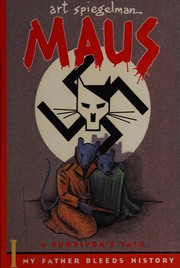
The Pulitzer Prize-winning Holocaust memoir is the essential proof that graphic novels can tackle the gravest human subjects; read first because its relatively straightforward art style keeps focus on the devastating story.
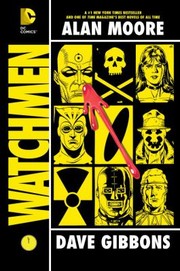
The landmark superhero deconstruction introduces dense, symmetrical panel grids and layered visual symbolism — best read after Maus so you already trust the medium with serious themes.
Memoir & the Personal Voice
IntermediateExplore how graphic novelists use a personal, autobiographical lens to illuminate history, identity, and culture — expanding your sense of the memoir form.
▸ Study plan for this stage
Pace: 4–5 weeks, ~40–50 pages/day. Week 1–2: Persepolis 1–2 (establish Satrapi's voice and historical context); Week 2–3: Persepolis 3–4 (deepen understanding of identity formation); Week 4–5: Fun Home (shift to Bechdel's layered narrative structure and literary analysis).
- Autobiography as historical witness: how personal narrative documents and interprets major historical events (Iranian Revolution, American cultural history)
- Visual language and emotional authenticity: using line, composition, and color (or lack thereof) to convey intimate voice and subjective experience
- Identity formation through cultural collision: how Satrapi and Bechdel explore selfhood shaped by family, nation, sexuality, and ideology
- Narrative structure and time: non-linear storytelling, flashbacks, and fragmentation as tools for exploring memory and meaning-making
- The graphic memoir as literary form: how comics uniquely blend word and image to create layers of irony, contradiction, and psychological depth
- Intertextuality and cultural reference: how both authors embed literary, artistic, and philosophical allusions to deepen their personal stories
- Unreliable and evolving perspective: recognizing how the narrator's understanding shifts across time and how readers navigate multiple truths
- How does Satrapi use visual contrast (black/white, detailed/simple) in Persepolis to convey her emotional state and the chaos of revolution?
- In what ways does Persepolis function as both a personal coming-of-age story and a historical document of the Iranian Revolution and its aftermath?
- How does Bechdel's use of literary quotations, diagrams, and fragmented panels in Fun Home create layers of meaning that wouldn't be possible in prose alone?
- What role does the relationship between parent and child play in shaping identity in both Persepolis and Fun Home, and how do the authors use visual language to express this?
- How do Satrapi and Bechdel each grapple with the gap between public persona and private truth, and what does this reveal about the nature of memoir?
- What is the significance of the graphic novel form itself in these two works—what can it express about personal voice and memory that other media cannot?
- Create a visual timeline: map key moments from Persepolis (revolution, exile, return) alongside Satrapi's emotional/psychological journey, noting how the artwork shifts in each section.
- Analyze a single page from Persepolis and a single page from Fun Home side-by-side: compare their use of panel layout, line weight, negative space, and color/shading to identify how each artist's visual voice differs.
- Write a 2–3 page reflection on a formative moment from your own life, then storyboard it as 4–6 comic panels, experimenting with how visual choices (perspective, detail, composition) change the emotional impact compared to prose.
- Track the evolution of Satrapi's self-portrait across Persepolis 1–4: how does her visual representation change as she ages and her perspective shifts? What does this reveal about identity and self-awareness?
- Create an annotated reading of 5–10 pages from Fun Home, identifying every literary reference, allusion, and symbolic image Bechdel includes; write brief notes on what each adds to the narrative.
- Compare how Satrapi and Bechdel each depict family dysfunction: create a Venn diagram of thematic overlaps and differences, then write a short essay on how the graphic form allows them to express ambivalence and contradiction.
Next up: This stage establishes how personal voice and visual language can interrogate history and identity; the next stage will expand to how graphic novelists use genre conventions, fantasy, and formal experimentation to explore even broader social and political themes.
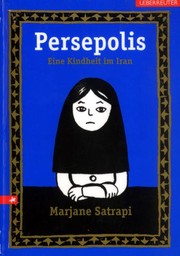
Satrapi's stark black-and-white art and wry voice make the Iranian Revolution viscerally personal; it pairs naturally with Maus as a second great graphic memoir rooted in political upheaval.
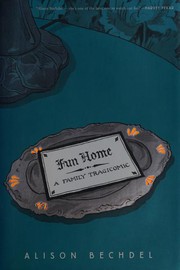
A more structurally complex memoir that weaves literary allusion into its visual storytelling, pushing your reading skills further and showing how graphic novels can sustain a non-linear, essayistic voice.
Expanding the Universe: Genre & Imagination
IntermediateSee how graphic novelists use genre — science fiction, fantasy, crime — as a vehicle for profound social and philosophical ideas, broadening the medium beyond memoir.
▸ Study plan for this stage
Pace: 4–5 weeks, ~40–50 pages/day (accounting for graphic novel pacing and visual analysis)
- Genre as a lens for exploring identity and belonging: how Saga uses science-fiction romance to examine displacement, parenthood, and found family across warring civilizations
- World-building as social commentary: how both texts construct elaborate fictional universes that mirror real-world power structures, conflict, and oppression
- Visual storytelling in service of ideology: how panel layout, color, and character design convey political and emotional meaning beyond dialogue
- Subverting genre conventions: how V for Vendetta deconstructs the superhero/vigilante archetype to interrogate freedom, terrorism, and the cost of revolution
- Narrative perspective and unreliability: how Saga's intimate first-person narration and V's fragmented narrative structure shape reader sympathy and moral judgment
- Philosophical questions embedded in genre: how science fiction and political thriller frameworks allow exploration of ethics, surveillance, autonomy, and human connection
- How does Saga use the science-fiction romance genre to explore themes of displacement and family that transcend the fantastical setting?
- What is the relationship between world-building and social commentary in both texts—how do the fictional universes reflect real-world systems of power and conflict?
- How do the visual choices (panel composition, color, character design) in each work reinforce or complicate the narrative's themes?
- What makes V for Vendetta's protagonist morally ambiguous, and how does the graphic novel format shape your judgment of his methods versus his cause?
- How does Saga's narrative voice (Hazel as adult narrator reflecting on her childhood) differ from V's fragmented perspective, and what effect does each have on reader engagement?
- What philosophical questions about freedom, identity, and human connection does each text raise through its genre framework?
- Close-read 3–4 pivotal scenes from Saga (e.g., the family's first meeting, a moment of vulnerability between Marko and Alana) and annotate how dialogue, panel size, and facial expressions work together to convey emotional stakes.
- Create a visual map of the political factions and power structures in Saga's universe; then write a 1-page analysis of how this world-building reflects real-world conflicts (colonialism, resource wars, refugee crises).
- Analyze a 2–3 page sequence from V for Vendetta focusing solely on visual storytelling—describe what you learn about V's character, ideology, or the dystopian setting without relying on text.
- Write a 2-page character study comparing V and Alana/Marko: what drives each character's choices, and how does the graphic novel format reveal or conceal their inner lives?
- Rewrite a key scene from Saga or V for Vendetta in a different genre (e.g., Saga as a realistic literary fiction narrative, or V as a traditional prose thriller) and reflect on what emotional and thematic impact is lost or gained.
- Create a visual essay (collage, annotated screenshots, or sketches) exploring how color and panel layout differ between the two works and what each choice communicates about tone, pacing, and reader emotion.
Next up: This stage equips you to recognize how genre conventions become vehicles for philosophical inquiry and social critique, preparing you to analyze how graphic novelists deconstruct and reimagine genre itself in more experimental and formally innovative works.

A wildly inventive space-opera that demonstrates how modern comics handle cinematic scope, diverse character design, and serialized storytelling — essential contemporary genre work.
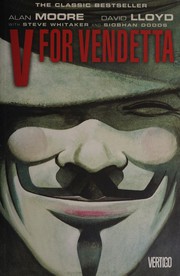
Moore's dystopian political thriller deepens your understanding of how visual atmosphere and costume design carry ideological meaning, building directly on the skills developed reading Watchmen.

Gaiman's mythological fantasy series is one of the most literarily ambitious in comics history; this first volume introduces a vast, allusion-rich world that rewards the reading maturity you've built so far.
The Literary Frontier: Art Comics & Modern Classics
ExpertEngage with graphic novels that push the formal and artistic boundaries of the medium itself — works where the style of drawing IS the argument — completing your understanding of what graphic novels can be.
▸ Study plan for this stage
Pace: 4–5 weeks, ~40–50 pages/day (accounting for dense visual analysis and re-reading)
- Formal experimentation as narrative: how unconventional panel layouts, page architecture, and spatial design in Ware's Building Stories create meaning beyond dialogue and plot
- The materiality of the book object: understanding how physical format (Ware's box set, Thompson's hardcover dimensions) shapes reading experience and storytelling
- Emotional cartography through line and color: how Thompson's watercolor-influenced palette and Ware's precise geometric abstraction convey psychological states and intimacy
- Fragmentation as form: recognizing how non-linear, puzzle-like structures in Building Stories and the interwoven timelines in Blankets mirror the actual experience of memory and emotion
- Silence and negative space: the power of what is NOT drawn—how empty panels, white space, and visual restraint create emotional impact
- Autofiction and vulnerability: how both works use the graphic medium to render the author's own experience with unprecedented directness and formal honesty
- How does the box-set format and non-linear structure of Building Stories force you to engage with narrative differently than a traditional bound book? What does this formal choice communicate about the nature of domestic life?
- In Blankets, how does Thompson's use of color, line weight, and page composition shift between different time periods and emotional registers? What does this visual variation tell you about the narrator's psychological state?
- Describe the relationship between Ware's geometric, grid-based panel layouts in Building Stories and the emotional content of the scenes depicted. Why might Ware choose precision and abstraction to tell intimate stories?
- How do both Ware and Thompson use silence, empty space, and what is left unsaid visually to create emotional resonance? Find specific examples from each work.
- What is the argument each book makes about its own medium? What can graphic novels do that other art forms cannot, according to these works?
- How do the formal choices in these books reflect the authors' own vulnerability and autobiographical investment? What does the medium allow them to reveal?
- Close-read 3–4 sequences from Building Stories, mapping out the panel layouts on paper and annotating how the spatial arrangement guides your eye and emotional response. Then reorder the same sequence and observe how meaning shifts.
- Create a visual timeline of Blankets using only color swatches and line-weight samples (no figures or objects)—can you convey the emotional arc of the book through formal properties alone?
- Select one emotionally charged scene from each book. Redraw it in the opposite artist's style: render a Ware scene in Thompson's organic, flowing line; render a Thompson scene in Ware's geometric abstraction. What is lost and gained?
- Analyze the use of negative space: collect 5 panels from Building Stories and 5 from Blankets where what is NOT drawn is as important as what is. Write a paragraph on each explaining the emotional or narrative function of that emptiness.
- Create a physical mock-up or collage that mimics the reading experience of Building Stories—use different paper sizes, orientations, and sequences to understand how Ware's box-set format shapes meaning.
- Write a 2–3 page reflection on a personal memory or emotional moment in your own life, then storyboard it twice: once in Ware's style (geometric, precise, fragmented) and once in Thompson's (organic, flowing, continuous). Which formal choice better captures your experience and why?
Next up: By mastering how form and content are inseparable in these boundary-pushing works, you are now equipped to recognize and create graphic narratives where visual language itself becomes the primary storytelling tool—preparing you to explore how contemporary and experimental graphic novels continue to redefine what the medium can express.
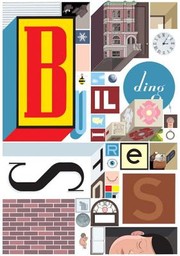
A formally radical, non-linear narrative told across multiple physical formats; Ware's work demands everything you've learned about reading images, time, and space in panels — save it for last.
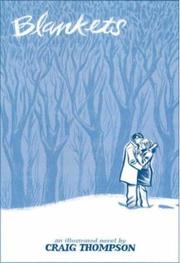
A breathtakingly illustrated coming-of-age memoir where the linework itself expresses emotion — a perfect capstone that unites the personal voice of the memoir stage with the artistic ambition of the frontier.
Discussion
Keep reading
Paths that share books, cover the same subject, or open a related topic.