Indian literature spans many languages and three thousand years, and its modern novels are steeped in the epics and devotional poetry that came before. Reading in order gives you that background first, so the later fiction lands with its full weight. This path starts with the foundational stories and moves toward the contemporary novel in English and translation.
Start with the epics not as homework but as the shared imagination the rest of the tradition draws on.
The foundations
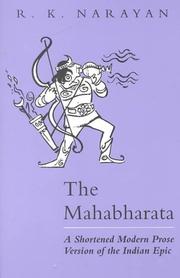
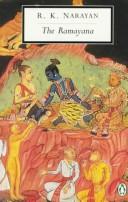
Begin with R. K. Narayan's accessible retellings of The Mahabharata and The Ramayana, the two epics that underlie Indian storytelling. Add Songs of Kabir, the fierce, plainspoken devotional poetry that crosses religious lines, and the classical drama tradition through the recognition play of Sakuntala, Kalidasa's masterwork.
The modern awakening
The early twentieth century brings social realism. Godan by Munshi Premchand is the great Hindi novel of the peasant's plight, and Untouchable by Mulk Raj Anand compresses caste injustice into a single searing day. The Guide, another Narayan work, then shows the postcolonial novel in English finding its wry, humane voice.
Partition and after
The wound of Partition and the reinvention of the nation drive the later books. Train to Pakistan by Khushwant Singh renders the violence of 1947 with unflinching clarity. Midnight's Children by Salman Rushdie reimagines independent India in exuberant, magical prose, and The God of Small Things by Arundhati Roy turns family tragedy into lyrical art. Ponniyin Selvan, Kalki Krishnamurthy's beloved Tamil historical epic, and The White Tiger by Aravind Adiga, a mordant portrait of the new India, round out the range from historical romance to contemporary satire.
Read in sequence, you see a civilization's stories become a modern literature. Follow the full path to trace the whole arc.
Follow the full reading path →
Ready to learn something deeply?
Build a reading path — free