Learn Conservation Biology: The Best Books, in Order
This curriculum takes you from a vivid, emotionally grounded understanding of the biodiversity crisis all the way to the science and practice of active conservation and restoration. Each stage builds on the last — first developing ecological intuition and urgency, then the biological and evolutionary frameworks that explain why species are vulnerable, then the strategic and policy tools conservationists use, and finally the cutting-edge practice of restoring what has been lost.
The Biodiversity Crisis — Why It Matters
BeginnerUnderstand the scale and urgency of extinction and habitat loss, and develop an emotional and conceptual foundation for why conservation biology exists.
▸ Study plan for this stage
Pace: 8–10 weeks, ~40–50 pages/day (accounting for dense material and reflection time)
- The Anthropocene as a geological epoch defined by human-driven extinction rates far exceeding natural background rates
- Habitat fragmentation and island biogeography as primary mechanisms of species loss (Quammen's dodo case studies)
- The cascading ecological consequences of losing keystone species and ecosystem engineers
- Extinction debt: species that are functionally doomed even before they disappear, due to habitat loss
- The difference between intrinsic value (species matter for their own sake) and instrumental value (species matter for human benefit)
- How human activities—deforestation, climate change, pollution, invasive species—create synergistic extinction pressures
- The role of charismatic megafauna in conservation awareness versus the hidden extinction of plants, fungi, and invertebrates
- What evidence does Kolbert present for the claim that we are in a sixth mass extinction, and how does the current extinction rate compare to background extinction rates?
- How does Quammen use the dodo and other island species to illustrate the principles of habitat loss and fragmentation?
- What is extinction debt, and why does it matter even for species that still exist today?
- How do the concepts of intrinsic and instrumental value shape different approaches to conservation?
- What are the major human-driven mechanisms of extinction discussed across both books, and how do they interact?
- Why do charismatic megafauna receive disproportionate conservation attention, and what species or ecosystems are being overlooked as a result?
- Create a timeline of the five previous mass extinctions (using Kolbert's framework) and compare extinction rates, causes, and recovery timescales to the current crisis
- Map a local or regional habitat using satellite imagery and identify fragmentation patterns; research one species affected by this fragmentation and document its population trends
- Read one peer-reviewed study on extinction debt in a specific ecosystem; summarize how current habitat loss predicts future extinctions in that system
- Conduct a media audit: collect 10 news articles about species extinction over one month and categorize them by type of organism (mammals, birds, plants, invertebrates, fungi); reflect on what is missing
- Interview a local conservation professional or park manager about a specific species or habitat in your region; ask about extinction risk, habitat loss, and management strategies they've observed
- Write a comparative case study of two species from Quammen's book (e.g., dodo vs. Mauritius kestrel) analyzing how island biogeography principles explain their different fates
Next up: This stage establishes the *why* of conservation biology—the urgency and scale of the crisis—preparing you to move into the *how*: the specific scientific tools, strategies, and policy frameworks used to prevent extinctions and restore ecosystems.
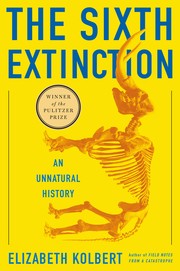
A Pulitzer Prize-winning, highly readable account of the current mass extinction event. It introduces key concepts — habitat loss, invasive species, ocean acidification — through vivid field reporting, making the crisis concrete before any technical study begins.
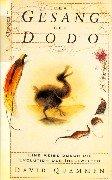
A masterful narrative exploration of island biogeography and extinction. Read second to deepen your understanding of *why* species go extinct, introducing the theory of island biogeography in an accessible, story-driven way that sets up the science ahead.
Ecological and Evolutionary Foundations
BeginnerBuild the core ecological and evolutionary vocabulary — populations, ecosystems, biodiversity, natural selection — that underpins all conservation science.
▸ Study plan for this stage
Pace: 8–10 weeks, ~40–50 pages/day (mix of dense conceptual material and applied examples)
- Population dynamics and life history traits (growth rates, survivorship curves, reproductive strategies)
- Ecosystem structure and function (energy flow, nutrient cycling, trophic levels)
- Biodiversity patterns and drivers (species richness, endemism, latitudinal gradients)
- Natural selection and evolutionary adaptation (fitness, genetic variation, adaptation to environment)
- Community ecology and species interactions (competition, predation, mutualism, succession)
- Biomes and biogeography (distribution patterns, climate-ecosystem relationships)
- Conservation implications of ecological and evolutionary principles
- Anthropogenic impacts on populations, communities, and ecosystems
- What are the key differences between r-selected and K-selected life history strategies, and why do these matter for conservation?
- How does energy flow through ecosystems, and what does the 10% rule tell us about ecosystem productivity and carrying capacity?
- What mechanisms drive biodiversity patterns globally, and why are tropical regions disproportionately biodiverse?
- How does natural selection shape populations over time, and what role does genetic variation play in a species' ability to adapt to environmental change?
- What are the major types of species interactions (competition, predation, mutualism), and how do they structure communities?
- How do succession and disturbance shape ecosystem dynamics, and what are the conservation implications?
- Create population growth models (exponential and logistic) using real species data; plot and interpret survivorship curves for different organisms
- Map global biomes and correlate them with climate data; identify which biomes are most threatened by human activity
- Conduct a local community survey (insects, plants, or birds in a park or garden); calculate species richness and diversity indices; identify dominant species and interactions
- Trace energy flow in a real ecosystem (e.g., a local forest, pond, or grassland); construct food webs and calculate trophic efficiency losses
- Design a thought experiment: given a species' life history traits and evolutionary history, predict how it would respond to habitat fragmentation or climate change
- Analyze a case study of adaptive radiation or speciation (e.g., Darwin's finches, cichlid fish); explain the ecological and evolutionary mechanisms at work
- Compare the biodiversity and ecosystem services of two contrasting biomes; discuss why one is more vulnerable to conservation threats
Next up: This stage equips you with the ecological vocabulary and evolutionary reasoning needed to understand why species and ecosystems are vulnerable to threats, setting the stage for the next stage on conservation threats, assessment, and management strategies.
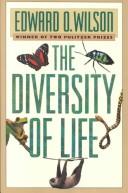
Wilson, the father of biodiversity studies, explains how life diversified and why it is now threatened. This is the essential conceptual bridge between popular narrative and rigorous biology, written by the field's founding voice.

A clear, well-illustrated introductory ecology textbook that provides the population, community, and ecosystem frameworks you need to understand conservation science at a deeper level. Read after Wilson to give structure to the concepts he introduced.
The Science of Conservation Biology
IntermediateMaster the core principles of conservation biology — minimum viable populations, habitat fragmentation, reserve design, and the tools used to assess and protect species.
▸ Study plan for this stage
Pace: 4–5 weeks, ~25–30 pages/day (approximately 150–170 pages/week)
- Minimum viable populations (MVP) and extinction thresholds: understanding population sizes needed for species survival
- Habitat fragmentation and its effects on biodiversity: how broken landscapes isolate populations and reduce genetic diversity
- Reserve design principles: size, shape, connectivity, and placement strategies for effective protected areas
- Biophilia and human connection to nature: why conservation matters culturally and psychologically
- Biodiversity hotspots and triage: prioritizing conservation efforts where species richness and endemism are highest
- The role of systematics and taxonomy in conservation: using evolutionary relationships to guide protection strategies
- Ecosystem services and economic valuation: connecting conservation to human welfare and resource management
- Conservation tools and strategies: from legal frameworks to restoration ecology to captive breeding programs
- What is a minimum viable population (MVP), and why is it critical for long-term species survival?
- How does habitat fragmentation threaten biodiversity, and what are the genetic and ecological consequences?
- What are the key principles of reserve design, and how do size, shape, and connectivity influence conservation effectiveness?
- How does Wilson use the concept of biophilia to argue for conservation, and what role does human psychology play in environmental protection?
- What are biodiversity hotspots, and why does Wilson advocate for a triage approach to conservation priorities?
- What practical tools and strategies does Wilson propose for implementing conservation at local, regional, and global scales?
- Map a local or regional habitat: identify fragmentation patterns, calculate patch sizes, and assess connectivity corridors using GIS or hand-drawn analysis
- Design a hypothetical nature reserve: justify your choice of size, shape, and location based on MVP and reserve design principles from Wilson's work
- Analyze a real biodiversity hotspot (e.g., Madagascar, Atlantic Forest, Coral Triangle): research endemic species, threats, and current conservation efforts; present findings
- Calculate minimum viable population for a species of interest: gather data on population size, genetic diversity, and reproduction rates; assess extinction risk
- Conduct a biophilia audit: observe and document your own and others' connections to nature (parks, gardens, wildlife); reflect on how these experiences could motivate conservation action
- Create a conservation action plan for a threatened ecosystem: identify key species, design protection strategies, estimate costs, and propose funding mechanisms
Next up: This stage establishes the theoretical and practical foundations of conservation biology, positioning you to apply these principles to specific conservation challenges—such as managing invasive species, designing restoration projects, or evaluating policy interventions—in the next stage.
A rigorous but accessible undergraduate-level textbook that systematically covers the science: population viability, fragmentation, invasive species, and conservation genetics. This is the curriculum's central scientific reference.
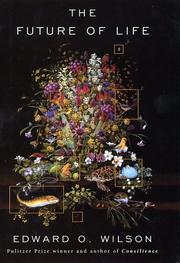
Wilson's accessible argument for a global conservation strategy, bridging the science from the previous textbook to real-world priorities and trade-offs. It reinforces technical concepts while motivating the policy stages ahead.
Conservation Strategy, Policy, and Practice
IntermediateUnderstand how conservation science translates into on-the-ground strategy, protected area management, international policy, and the human dimensions of conservation.
▸ Study plan for this stage
Pace: 6–7 weeks, ~40–50 pages/day (approximately 280–350 pages per book)
- Rewilding as a conservation strategy: principles, examples, and outcomes across different ecosystems and continents
- Protected area design and connectivity: how landscape-scale planning creates functional conservation networks
- The role of large carnivores and keystone species in ecosystem restoration and trophic cascades
- International conservation policy frameworks: CITES, CBD, and how agreements translate to local action
- Human dimensions of conservation: stakeholder engagement, indigenous knowledge, and resolving human-wildlife conflict
- Conservation prioritization and reserve selection: methods for identifying and protecting biodiversity hotspots
- Adaptive management and monitoring: how conservation practitioners assess success and adjust strategies
- Economic and social incentives for conservation: payment for ecosystem services, ecotourism, and community-based approaches
- What is rewilding and how does it differ from traditional protected area management? Provide examples from at least two continents discussed in Fraser's work.
- How do protected areas need to be designed and connected to maintain viable populations of large predators and other wide-ranging species?
- What are the major international conservation policies and agreements, and how do they influence on-the-ground conservation practice?
- What role do indigenous peoples and local communities play in successful conservation, and how can their knowledge and rights be integrated into conservation strategy?
- How do conservation practitioners use monitoring and adaptive management to evaluate whether their strategies are working?
- What economic mechanisms and incentive structures can motivate landowners and governments to support conservation?
- Map a rewilding corridor: Select a region from Fraser's book and sketch out how you would design a connected network of protected areas and wildlife corridors to support a keystone species (e.g., wolves, jaguars, elephants). Justify your design choices.
- Policy analysis: Choose one international conservation agreement (e.g., CBD, CITES) discussed in Noss and trace how it has influenced a specific conservation initiative. Write a 2–3 page brief on the policy's real-world impact.
- Stakeholder engagement plan: Identify a human-wildlife conflict scenario from either book and design a community-based conservation strategy that addresses the needs of local people, wildlife, and conservation goals.
- Protected area assessment: Using Noss's framework for reserve selection, evaluate an existing protected area in your region or one discussed in the books. Identify gaps in protection and recommend improvements.
- Rewilding case study comparison: Compare two rewilding projects from Fraser's book (e.g., Yellowstone, European rewilding initiatives, African examples). Analyze what worked, what didn't, and why.
- Adaptive management proposal: Design a 5-year monitoring and adaptive management plan for a hypothetical conservation project, including key metrics, decision rules, and how you would adjust strategy based on results.
Next up: This stage equips you with concrete strategies, policy knowledge, and practical frameworks for implementing conservation—preparing you to examine the science of specific threats (climate change, habitat loss, invasive species) and how to address them at scale in the next stage.
A thorough survey of large-scale conservation strategies — wildlife corridors, keystone species reintroduction, and landscape-level thinking. It shows how the science of the previous stage is applied across continents.

A foundational text on protecting and restoring biodiversity through reserve networks and landscape ecology. Noss bridges rigorous science and actionable conservation planning, making it essential for understanding protected area design.
Restoration and the Future of Biodiversity
ExpertEngage with the frontier of conservation: ecological restoration, rewilding, de-extinction debates, and the bold strategies needed to reverse biodiversity loss in the 21st century.
▸ Study plan for this stage
Pace: 8–10 weeks, ~40–50 pages/day (approximately 3–4 hours of engaged reading). Week 1–3: "Feral" (approx. 400 pages); Week 4–5: transition and reflection; Week 6–10: "Resurrection Science" (approx. 400 pages) with overlapping concept synthesis.
- Rewilding as a landscape-scale restoration strategy: Monbiot's vision of trophic cascades and ecosystem self-regulation through the reintroduction of keystone species
- The role of large herbivores and apex predators in shaping ecosystems: from Yellowstone to European rewilding experiments
- De-extinction and synthetic biology as conservation tools: the scientific feasibility, ethical implications, and practical applications explored in O'Connor's work
- Ecological restoration versus preservation: why passive management and 'letting nature take its course' may be necessary in the Anthropocene
- The concept of novel ecosystems and shifting baselines: accepting that pre-industrial 'pristine' nature may be unrecoverable
- Technological optimism versus ecological humility: tensions between engineering solutions and respecting ecosystem complexity
- Rewilding's social dimensions: land use conflicts, rural communities, and the politics of returning land to nature
- The science of resurrection: ancient DNA, genetic rescue, and the criteria for deciding which species deserve restoration efforts
- What is Monbiot's central argument about trophic cascades, and how does he use the Yellowstone wolf reintroduction as evidence for rewilding?
- How do the concepts of 'feral' and 'wildness' challenge traditional conservation approaches focused on preservation and protection?
- What are the main scientific and ethical arguments for and against de-extinction as presented in 'Resurrection Science'?
- How do O'Connor's case studies (woolly mammoth, passenger pigeon, etc.) illustrate the practical challenges of bringing extinct species back to life?
- What role do novel ecosystems and shifting baselines play in justifying restoration and rewilding in a world already transformed by humans?
- How do the two books address the tension between technological solutions (de-extinction, genetic engineering) and ecological restoration (rewilding, habitat recovery)?
- Map a local or regional ecosystem: identify keystone species, apex predators, and trophic levels. Then research a historical rewilding or restoration project in that region and evaluate whether Monbiot's trophic cascade theory would apply.
- Read and annotate 2–3 key chapters from 'Feral' (e.g., on wolves, large herbivores, or the Serengeti) and create a visual diagram showing cause-and-effect relationships in trophic cascades.
- Research one de-extinction project in detail (e.g., woolly mammoth, passenger pigeon, thylacine) and write a 2–3 page analysis addressing: scientific feasibility, ecological role, ethical justification, and funding priorities—grounding your argument in O'Connor's framework.
- Debate exercise: Divide into two groups and argue for/against de-extinction as a conservation priority. Use specific examples and evidence from 'Resurrection Science' to support your position.
- Interview or survey 5–10 people (farmers, conservationists, local residents, policymakers) about their views on rewilding and restoration in their area. Synthesize responses and reflect on how Monbiot's vision aligns with or challenges local perspectives.
- Design a hypothetical rewilding project for an abandoned or degraded landscape: specify which species would be reintroduced, predict trophic cascades, address social/economic concerns, and justify your choices using concepts from both books.
Next up: This stage equips you with cutting-edge restoration and de-extinction frameworks, positioning you to evaluate the feasibility and ethics of bold interventions—preparing you to engage with the final stage's focus on implementation, policy, and the real-world constraints that determine whether these visionary strategies can actually reverse biodiversity loss at scale.

A passionate, scientifically grounded case for rewilding — restoring natural processes and apex predators to degraded ecosystems. It challenges conventional conservation thinking and introduces trophic cascades and self-willed land as key ideas.

Examines the cutting-edge and controversial tools of modern conservation — genetic rescue, de-extinction, and assisted evolution. A perfect capstone that forces critical thinking about the limits and possibilities of conservation biology.
Discussion
Keep reading
Paths that share books, cover the same subject, or open a related topic.