Cancer biology explains how normal cells break the rules that keep a body orderly, accumulating the genetic and signaling changes that let them grow, invade, and evade defenses. It is one of the most active areas of modern science, and its literature has an unusual double character: rigorous textbooks and genuinely great narrative books written for a wide audience. Reading them together, in order, builds both the mechanism and the meaning. These books inform understanding; they are not medical advice and do not replace professional care.
The path starts with the core science, weaves in the human and historical story, then reaches the modern therapeutic frontier where much of today's hope and hype live.
Ground yourself in the science and the story
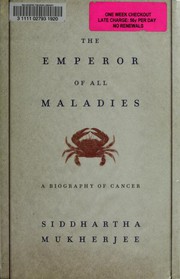
The biology of cancer by Robert Weinberg is the definitive textbook, building from cell biology to oncogenes, tumor suppressors, and the full machinery of the disease; it is your backbone. Read alongside it The Emperor of All Maladies by Siddhartha Mukherjee, a Pulitzer-winning history that gives the whole field its human and clinical context.
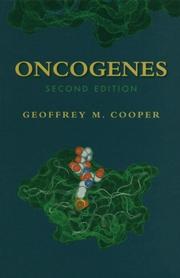
For the genetics that everything else depends on, Oncogenes by Geoffrey Cooper focuses the molecular story, and The Gene by Siddhartha Mukherjee steps back to explain heredity itself, the substrate cancer corrupts.
Understand mechanism and progression
Invasion of the Body by David Tarin examines how tumors spread, the metastatic problem that makes cancer lethal. Hallmarks of Cancer by Douglas Hanahan and Robert Weinberg distills the whole disease into a set of shared capabilities, the organizing framework most researchers now think in. Read it once the textbook chapters give it context.
Reach the therapeutic frontier
The Breakthrough by Charles Graeber tells the story of cancer immunotherapy, one of the great recent shifts in treatment. Genomic and Precision Medicine edited by Geoffrey Ginsburg and Huntington Willard covers how molecular profiling now guides therapy. Close with The Philadelphia chromosome by Jessica Wapner, the gripping account of how a single genetic insight became a targeted drug and a template for the field.
Read in this order and the science and the story reinforce each other. Follow the full path to keep both threads.
Follow the full reading path →
Ready to learn something deeply?
Build a reading path — free