Best Books on Wok Cooking, in Reading Order
This curriculum takes you from zero wok knowledge to confident, high-heat cooking across all major wok techniques. Each stage builds on the last — starting with equipment and foundational stir-fry logic, moving into authentic regional recipes and the science of wok hei, and finally mastering the full wok repertoire including steaming, deep-frying, and restaurant-level execution.
Foundations: Equipment, Seasoning & First Stir-Fries
BeginnerUnderstand how to choose, season, and care for a wok; learn the basics of heat control and execute simple stir-fry recipes with confidence.
▸ Study plan for this stage
Pace: 4-5 weeks, ~40-50 pages/day with cooking practice sessions 3-4 times per week
- Wok selection, seasoning, and maintenance: carbon steel vs. cast iron, seasoning methods, and preventing rust
- The concept of 'wok hei' (breath of the wok): how high heat, proper technique, and timing create the signature flavor and texture
- Heat control and flame management: understanding BTU requirements, burner types, and temperature zones within the wok
- Essential aromatics and foundational seasonings: garlic, ginger, soy sauce, oil selection, and their roles in building flavor
- The mechanics of stir-frying: proper knife cuts, ingredient prep (mise en place), timing sequences, and the importance of speed
- Wok cooking as a cultural practice: how Chinese cooking philosophy and technique differ from Western approaches
- Building confidence through repetition: mastering simple recipes before advancing to complex dishes
- What are the differences between carbon steel and cast iron woks, and which is recommended for beginners and why?
- What is 'wok hei' and how do high heat, proper technique, and ingredient timing work together to achieve it?
- How do you properly season a new wok and maintain its seasoning over time?
- What role do aromatics like garlic and ginger play in wok cooking, and how should they be prepared and added to the wok?
- How does heat control differ between Western cooking and wok cooking, and what equipment considerations matter for your home kitchen?
- What is the correct sequence for building a stir-fry (aromatics, protein, vegetables, sauce), and why does timing matter?
- Season a new carbon steel wok using the method described in 'The Breath of a Wok' and maintain it through 5+ cooking sessions
- Prepare mise en place for 3 different stir-fry recipes, practicing proper knife cuts (julienne, bias cuts, chunks) for different vegetables
- Execute Grace Young's basic stir-fry recipes (e.g., simple vegetable stir-fries) at least 4 times, focusing on heat control and timing rather than perfection
- Film or photograph one stir-fry session and review it: identify where you added aromatics, when heat was optimal, and where timing could improve
- Practice the 'toss and flip' technique with a wok and spatula for 10 minutes daily for one week to build muscle memory
- Cook the same recipe twice in one week and compare results: note differences in texture, flavor development, and 'wok hei' between attempts
- Taste-test and compare different oils (peanut, vegetable, sesame) in simple stir-fries to understand how oil choice affects flavor
Next up: This stage establishes the technical foundation and confidence needed to move into intermediate techniques—once you master heat control, seasoning balance, and the rhythm of simple stir-fries, you'll be ready to layer in more complex flavor profiles, multiple proteins, and advanced techniques like velveting and sauce-making.
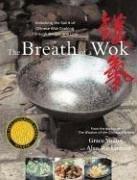
The definitive starting point for any wok learner — Young covers wok selection, seasoning rituals, and the cultural meaning of wok hei before a single recipe is attempted. Reading this first builds the right mindset and vocabulary.
Young's follow-up is the most practical beginner stir-fry cookbook available, with clear technique breakdowns and accessible recipes that reinforce the seasoning and heat-control lessons from her first book.
Building Technique: Heat, Timing & Core Chinese Recipes
BeginnerDevelop reliable stir-fry muscle memory, understand ingredient prep and sequencing, and cook a broad range of authentic Chinese wok dishes.
▸ Study plan for this stage
Pace: 4–5 weeks, ~40–50 pages/day, with 2–3 cooking sessions per week
- Heat management and wok temperature control for different cooking techniques (stir-frying, braising, steaming)
- Ingredient prep hierarchy: mise en place, cutting techniques, and why sequence matters in wok cooking
- The principle of 'wok hei' (breath of the wok) and how to achieve it through timing and technique
- Core flavor-building techniques: tempering aromatics in oil, balancing salty-sour-sweet-spicy, and layering flavors
- Regional Chinese cooking styles and how geography, ingredients, and climate shape dish characteristics
- The relationship between ingredient quality, doneness, and texture in authentic Chinese recipes
- Sequencing and timing: understanding why ingredients go in at specific moments and how to manage multiple components simultaneously
- What is wok hei and what specific techniques and conditions are required to achieve it?
- How do you properly prepare ingredients (mise en place) before cooking, and why does the order of ingredient addition matter?
- What are the key differences between stir-frying, braising, and steaming, and when would you use each technique?
- How do regional differences in Chinese cuisine (as explored in both books) affect ingredient choice, cooking method, and flavor profiles?
- What is the role of heat sequencing in a stir-fry, and how do you adjust heat at different stages?
- How do you balance and layer flavors in a dish using aromatics, sauces, and finishing techniques?
- Cook 5–6 signature stir-fry recipes from the books (e.g., mapo tofu, kung pao chicken, fish-fragrant eggplant), focusing on heat control and timing with each attempt
- Practice mise en place drills: prep all ingredients for a recipe before cooking, then time yourself cooking it; repeat the same recipe 2–3 times to build muscle memory
- Conduct a heat-control experiment: cook the same simple stir-fry (e.g., garlic bok choy) at different heat levels and document how texture, color, and flavor change
- Prepare 2–3 braised or steamed dishes from 'Land of Fish and Rice' and compare the texture and flavor results to stir-fried versions of similar ingredients
- Create a flavor-balancing tasting exercise: make a simple sauce base, then adjust salt, acid, sugar, and spice in small batches to understand how each element shifts the overall taste
- Cook one complete regional menu (e.g., 3–4 dishes representing Sichuan or Jiangnan cuisine) to understand how dishes work together and how regional ingredients/techniques create cohesion
Next up: This stage builds the technical foundation and muscle memory needed to execute recipes reliably, preparing you to advance to recipe refinement and creative adaptation—where you'll learn to modify dishes based on ingredient availability, dietary needs, and personal taste while maintaining authentic technique.
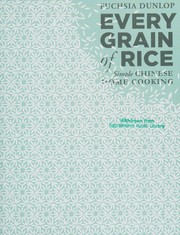
Dunlop's approachable Chinese home-cooking bible is packed with wok recipes that teach ingredient logic and timing — the perfect bridge between technique drills and real, delicious meals.

Focuses on the refined Jiangnan tradition, introducing gentler wok techniques (braising, steaming, delicate stir-fries) that expand your range beyond high-heat blasting and deepen heat-control intuition.
Going Deeper: Wok Hei, Regional Styles & Advanced Stir-Fry
IntermediateUnderstand the science and practice of wok hei, master Cantonese and Sichuan high-heat technique, and cook dishes that rival restaurant quality.
▸ Study plan for this stage
Pace: 6–8 weeks, ~25–30 pages/day, with 2–3 cooking sessions per week
- Wok hei (breath of the wok): the technique of achieving the characteristic smoky, charred flavor through high heat, proper wok movement, and timing
- Regional Chinese cooking philosophies: Cantonese emphasis on ingredient quality and technique vs. Sichuan bold use of chili and numbing spices (málà)
- The science of heat management in wok cooking: flame control, oil temperature, ingredient moisture content, and the Maillard reaction
- Cantonese stir-fry fundamentals: mise en place precision, rapid cooking sequences, and the importance of the wok's curved surface for ingredient movement
- Sichuan flavor profiles and techniques: layering of spices, the role of chili oil, fermented ingredients, and achieving balanced heat and numbing sensations
- Restaurant-quality execution: understanding why timing, ingredient preparation, and equipment matter; replicating professional results at home
- Cultural and historical context: how geography, trade, and tradition shaped regional cooking styles and ingredient availability
- What is wok hei, and what specific techniques and conditions are required to achieve it consistently?
- How do Cantonese and Sichuan cooking philosophies differ in their approach to ingredients, heat, and flavor building?
- Explain the role of the Maillard reaction in wok cooking and how heat management affects its development
- What are the key differences between málà (numbing and spicy) and other flavor profiles in Sichuan cuisine, and how are they created?
- How does proper mise en place and ingredient preparation contribute to restaurant-quality stir-fry results?
- What historical and geographical factors influenced the development of regional Chinese cooking styles discussed in the book?
- Cook 3–4 Cantonese stir-fry dishes from the book (e.g., simple vegetable stir-fries, chicken with ginger and scallions) focusing on wok hei development; record observations about heat, timing, and flavor
- Prepare a mise en place station for a complex stir-fry and time yourself; repeat the same dish twice to build muscle memory and consistency
- Make a Sichuan chili oil and fermented bean paste from scratch (or source authentic versions); taste them separately and in dishes to understand how they layer flavors
- Cook 2–3 Sichuan dishes (e.g., mapo tofu, chongqing chicken) and experiment with adjusting heat and numbing spice levels; document how málà balance changes the dish
- Conduct a heat-management experiment: cook the same stir-fry at different flame levels and oil temperatures; compare results and note how each affects browning and texture
- Recreate a restaurant-quality dish from the book side-by-side with your first attempt; analyze what changed in technique, timing, or equipment that improved quality
Next up: This stage establishes the scientific and cultural foundations of advanced wok cooking, preparing you to explore specialized equipment, fusion applications, and mastery of less common regional styles in the next level.
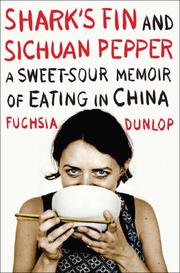
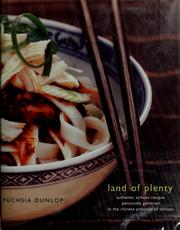
Dunlop's memoir of learning to cook in Chengdu provides rich cultural and sensory context for Sichuan wok technique, helping you understand the 'why' behind bold flavors and high-heat methods at a deeper level.
Full Wok Mastery: Steaming, Deep-Frying & the Complete Repertoire
ExpertCommand all wok cooking methods — steaming, deep-frying, smoking, and braising — and execute a complete Chinese culinary repertoire at a high level.
▸ Study plan for this stage
Pace: 8–10 weeks, ~40–50 pages/day with daily practice sessions
- Steaming techniques: equipment setup, temperature control, timing, and layering methods for proteins and vegetables
- Deep-frying fundamentals: oil temperature management, batter consistency, achieving crispness, and safety protocols
- Smoking and braising methods: low-and-slow cooking, flavor infusion through wood and spices, and sauce reduction
- Wok heat control and timing: managing high heat, rapid cooking transitions, and coordinating multiple components
- Building complete dishes: balancing texture, flavor, and color; understanding sauce-to-ingredient ratios
- Ken Hom's foundational principles: mise en place, ingredient quality, and the philosophy behind each technique
- Regional Chinese cooking styles: how different provinces use steaming, frying, and braising distinctly
- Adapting recipes: scaling techniques to home equipment and understanding when to modify traditional methods
- What are the critical differences between steaming fish whole versus steaming fish fillets, and how does each method affect texture and flavor?
- How do you determine the correct oil temperature for deep-frying without a thermometer, and what happens if the oil is too hot or too cool?
- Explain the relationship between wok heat intensity, ingredient size, and cooking time when stir-frying components for a complete dish.
- What is the purpose of smoking in Chinese cooking, and how do you set up a wok for smoking without specialized equipment?
- How do you build layers of flavor in a braised dish, and what role does the braising liquid play in the final sauce?
- Describe how to execute a complete multi-component dish (e.g., a banquet-style meal) using steaming, frying, and braising in sequence.
- Steam 5 different proteins (whole fish, fish fillets, chicken, pork belly, shrimp) and document how timing and presentation differ; taste-test and compare texture outcomes
- Deep-fry 3 different items (shrimp, chicken pieces, vegetable chips) at varying oil temperatures (325°F, 350°F, 375°F) to understand the impact on crispness and color
- Practice wok heat control by stir-frying the same vegetable (e.g., broccoli) at low, medium, and high heat; note texture, color, and cooking time for each
- Prepare a smoked dish using Ken Hom's method (e.g., smoked chicken or tea-smoked fish) and document the setup, timing, and flavor development
- Braise a tougher cut of meat (e.g., pork shoulder or beef chuck) over 2–3 hours, tasting the braising liquid at intervals to understand flavor concentration
- Execute a complete 3-course Chinese meal using at least one steamed dish, one fried dish, and one braised dish; coordinate timing and plating
Next up: This stage equips you with mastery of all major wok techniques and the ability to execute complex, multi-component Chinese dishes, preparing you to explore regional specialization, advanced flavor theory, or professional-level menu development in the next stage.
Hom's step-by-step photographic guide covers every wok method including steaming and deep-frying in systematic detail — an advanced reference that consolidates everything learned so far into one authoritative manual.

A comprehensive capstone volume spanning hundreds of recipes across all regions and techniques; at this stage you have the skills to tackle any recipe here and use it as a lifelong reference.
Discussion
Keep reading
Paths that share books, cover the same subject, or open a related topic.