The Best Cantonese Cookbooks, in Order
This curriculum builds from a solid grounding in Cantonese flavors and technique up through the specialized crafts of dim sum, roast meats, and clay-pot cooking. Because the learner starts at an intermediate level, the path skips basic Chinese pantry primers and dives straight into Cantonese-specific cooking logic, then progressively narrows into the most demanding and culturally rich sub-genres of southern Chinese and Hong Kong cuisine.
Cantonese Foundations
IntermediateUnderstand the defining philosophy of Cantonese cooking — freshness, restraint, wok hei — and build fluency with the core techniques: stir-frying, steaming, and braising that underpin every later stage.
▸ Study plan for this stage
Pace: 6–8 weeks, ~25–30 pages/day, with 2–3 cooking sessions per week
- Wok hei (breath of the wok): the elusive smoky, charred flavor that defines Cantonese stir-frying and requires high heat, proper technique, and timing
- The philosophy of freshness: using the finest seasonal ingredients at peak quality and cooking them minimally to preserve their natural flavors
- Restraint in seasoning and technique: letting ingredients speak for themselves rather than masking them with heavy sauces or complex preparations
- Stir-frying fundamentals: the importance of mise en place, heat control, wok movement, and the sequence of ingredient addition
- Steaming as a preservation technique: how steaming maintains ingredient integrity and freshness, and its role in Cantonese home cooking
- Braising for depth: building complex flavors through long, slow cooking while maintaining the quality of primary ingredients
- The relationship between tool and technique: how the wok's shape and heat properties enable these three core techniques
- Ingredient selection and preparation: understanding why Cantonese cooks prioritize quality sourcing and precise cutting
- What is wok hei, why is it considered essential to Cantonese cooking, and what specific conditions must be present to achieve it?
- How does the Cantonese philosophy of freshness and restraint differ from other cooking traditions, and why do these principles matter for flavor?
- Describe the proper technique for stir-frying: what role does heat play, how should ingredients be sequenced, and what does proper wok movement accomplish?
- When would a Cantonese cook choose steaming over stir-frying, and what does steaming preserve that other cooking methods might lose?
- How do braising techniques in Cantonese cooking balance long cooking times with the principle of ingredient quality and restraint?
- What is the relationship between the wok's physical design and the three core techniques (stir-frying, steaming, braising)?
- Cook 3–4 basic stir-fries from 'The Breath of a Wok' focusing on achieving wok hei: practice heat control, ingredient timing, and wok movement; note when you feel the heat is right and when you achieve that characteristic smoky flavor
- Prepare mise en place for a stir-fry exactly as described in the books, then cook without stopping; reflect on how preparation enabled technique
- Steam 2–3 dishes (vegetables, fish, or proteins) and taste them alongside stir-fried versions of similar ingredients; compare how steaming preserves delicate flavors
- Braise a protein (chicken, pork, or beef) using a recipe from 'Stir Frying to the Sky's Edge'; document the flavor development at 30-minute intervals and note how the technique balances cooking time with ingredient quality
- Visit an Asian market and select ingredients as a Cantonese cook would: choose the freshest seasonal produce, quality proteins, and aromatics; cook one dish using these selections and compare the result to using standard supermarket ingredients
- Practice wok movement and heat control with a simple vegetable stir-fry 2–3 times, filming yourself to identify where your technique falters; adjust and repeat until movement becomes natural
Next up: Mastery of these three foundational techniques and the philosophy behind them equips you to understand how regional Cantonese variations, seasonal cooking, and more complex dishes build upon—rather than abandon—these core principles.
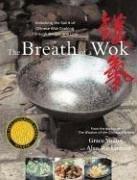
The single best English-language deep-dive into wok technique and Cantonese stir-fry logic. Reading this first establishes the sensory vocabulary — heat, timing, seasoning — that every subsequent book assumes.
Young's follow-up expands the stir-fry canon with recipes drawn directly from Cantonese home cooks and restaurant chefs; reading it second reinforces and broadens the technique foundation before moving into specialty genres.
The Hong Kong Table
IntermediateAbsorb the full sweep of Hong Kong–Cantonese home and restaurant cooking, including soups, seafood, and the everyday dishes that contextualise the more specialised techniques ahead.
▸ Study plan for this stage
Pace: 4–5 weeks, ~40–50 pages/day, with 2–3 days per week dedicated to hands-on cooking practice
- The foundational role of soups (清湯, 濃湯) in Hong Kong–Cantonese daily eating and their relationship to balance and health
- Seafood selection, handling, and preparation methods that define Hong Kong restaurant and home cooking
- The principle of 'wok hei' (鑊氣) and how heat control shapes flavour in everyday stir-fries and quick dishes
- Seasonal eating and ingredient sourcing as core to authentic Hong Kong home cooking
- The distinction between home-cooking techniques and restaurant techniques, and when each is appropriate
- Umami and natural flavour-building through stocks, dried ingredients, and layered seasoning rather than heavy sauces
- The cultural and social context of the Hong Kong table: meal structure, family dining, and the role of communal eating
- What are the main types of soups in Cantonese cooking, and what role do they play in a typical Hong Kong meal?
- How do Hong Kong cooks select and prepare fresh seafood differently from other cuisines, and why does this matter?
- What is 'wok hei' and how can a home cook develop it without a commercial kitchen?
- How does seasonal eating influence ingredient choice and menu planning in Hong Kong home cooking?
- What are 3–4 key differences between how dishes are prepared at home versus in a Hong Kong restaurant?
- How do Cantonese cooks build deep flavour without relying on heavy sauces or excessive salt?
- What is the typical structure of a Hong Kong family meal, and how does this shape the way dishes are ordered and eaten?
- Cook 2–3 different Cantonese soups from the book (e.g. a clear broth, a medicinal soup, a seafood soup) and taste how they differ in body, flavour, and balance
- Visit a wet market or Asian grocery and identify 5–6 seasonal vegetables and seafood items mentioned in the book; learn their Cantonese names and optimal preparation methods
- Prepare a simple stir-fried dish (e.g. gai lan with oyster sauce, or shrimp with garlic) focusing deliberately on heat control and timing to develop wok hei
- Cook one 'everyday' Hong Kong home dish and one 'restaurant-style' version of the same dish side-by-side; document the differences in technique, timing, and seasoning
- Taste and compare 2–3 different stocks or broths (chicken, seafood, vegetable) made from scratch; understand how each builds flavour for different soups and dishes
- Plan and cook a complete Hong Kong family meal (4–5 dishes) for 4–6 people, including a soup, a seafood dish, a vegetable, and rice; reflect on pacing and balance
- Keep a cooking journal for 2 weeks, noting which seasonal ingredients appear in markets and how you adapt recipes based on availability
Next up: This stage grounds you in the everyday flavours, techniques, and cultural logic of Hong Kong cooking, providing the sensory and technical foundation needed to understand the more specialised and refined techniques—such as dim sum, roasting, and banquet cookery—that build upon these fundamentals in the next stage.

A comprehensive, authoritative survey of Hong Kong's culinary identity — from cha chaan teng staples to banquet dishes — that gives cultural and historical context missing from technique-only books.
Provides the food-science reasoning behind Cantonese and broader Chinese wok cookery; reading it here deepens understanding of why techniques work, preparing the learner to troubleshoot and adapt in later, more demanding recipes.
Dim Sum Mastery
IntermediateLearn to make dim sum from scratch — doughs, fillings, folds, and the steamer/fryer discipline of a yum cha kitchen — with enough detail to execute restaurant-quality results at home.
▸ Study plan for this stage
Pace: 8–10 weeks, ~25–30 pages/day, with 2–3 hands-on cooking sessions per week
- Master the five fundamental dim sum doughs: har gow (shrimp dumpling), siu mai (pork dumpling), cheung fun (rice roll), char siu bao (barbecue pork bun), and lo mai gai (sticky rice in lotus leaf)
- Understand the science of dough hydration, gluten development, and resting periods for tender, elastic wrappers
- Learn proper folding and pleating techniques specific to each dim sum shape, including the signature 8–10 pleats of har gow
- Execute steaming and frying discipline: temperature control, timing, steam circulation, and batch management for consistent results
- Develop filling preparation methods—from seasoning ratios to texture balance (bouncy shrimp, tender pork, creamy custard)
- Recognize the cultural and historical context of dim sum dishes to understand why each technique matters
- Master the workflow and timing of a yum cha kitchen to coordinate multiple dim sum types simultaneously
- What are the key differences in hydration and gluten development between har gow dough and siu mai dough, and why do these differences matter for texture?
- Describe the step-by-step folding technique for har gow, including pleat count and the role of the thumb in creating the signature shape.
- How do you achieve the characteristic bouncy, springy texture in shrimp filling, and what role does cornstarch and egg white play?
- What are the critical temperature and timing parameters for steaming har gow versus frying cheung fun, and how do you adjust for altitude or humidity?
- Explain the difference between a custard filling (egg custard tart) and a savory filling (char siu bao) in terms of ingredients, ratios, and baking/steaming time.
- How would you organize a yum cha kitchen workflow to prepare and steam three different dim sum types simultaneously without overcrowding the steamer?
- What are the signs of undercooked, properly cooked, and overcooked dim sum, and how do you troubleshoot common failures (dense dough, burst wrappers, dry filling)?
- Make har gow from scratch (dough, shrimp filling, folding) at least twice, aiming for consistent pleat count and shape; photograph or video-record your technique for self-assessment
- Prepare siu mai (pork dumpling) filling and wrappers; practice hand-folding the open-top style and steam a batch; compare texture and juiciness to restaurant versions
- Master cheung fun (rice roll) by making the batter, steaming it on a cloth, and rolling with different fillings (shrimp, char siu, vegetable); practice speed and consistency
- Bake char siu bao (barbecue pork bun) using both steamed and baked methods; compare rise, crust texture, and filling integration; troubleshoot any dense or dry results
- Prepare lo mai gai (sticky rice in lotus leaf) with at least two filling variations; practice wrapping technique and steaming timing; taste for proper rice texture and filling seasoning
- Conduct a mini yum cha service: prepare 3–4 dim sum types simultaneously, coordinate steaming/frying times, and plate them in the order they would be served in a restaurant
- Make a batch of egg custard tarts (dan tat) using both shortcrust and puff pastry; compare texture, custard set, and browning; identify the ideal baking temperature and time for your oven
Next up: This stage equips you with the technical foundation and muscle memory to execute classic dim sum at home; the next stage will likely expand into regional variations, advanced fillings (abalone, truffle, seasonal ingredients), and the business/cultural context of running a yum cha restaurant or catering operation.

A clear, well-tested introduction to the full range of dim sum categories (har gow, siu mai, bao, taro dumplings) that builds dough and filling intuition before tackling more advanced references.
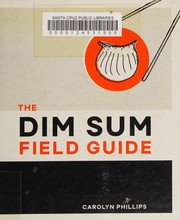
Phillips's encyclopedic knowledge of regional dim sum varieties — with precise technique notes — makes this the ideal second read, expanding repertoire and refining the skills established in the previous book.
Roast Meats & Clay-Pot Classics
ExpertMaster the most technically demanding pillars of Cantonese cooking: siu mei roasting (char siu, crispy pork, roast duck) and clay-pot braises that require long practice and precise heat management.
▸ Study plan for this stage
Pace: 8–10 weeks, ~40–50 pages/day, focusing on the Cantonese roasting and clay-pot sections; plan 2–3 hands-on cooking sessions per week
- Siu mei fundamentals: the role of marinades, spice pastes, and curing in char siu, crispy pork belly, and roast duck
- Heat management and oven/roasting technique: achieving crackling skin, rendering fat, and developing color without burning
- Glaze composition and application: how soy, honey, and spice combinations build layers of flavor and create glossy finishes
- Clay-pot braising principles: low-and-slow cooking, liquid reduction, and how clay vessels distribute heat differently than metal
- Timing and resting: why proper resting periods are critical for meat texture and juice retention in both roasted and braised dishes
- Regional Cantonese variations: understanding how different regions approach roasting and braising within the broader Chinese culinary context
- Ingredient quality and sourcing: selecting appropriate cuts, understanding fat content, and sourcing authentic Cantonese aromatics
- What are the key differences between char siu, crispy pork belly, and roast duck in terms of marinade, preparation, and roasting technique?
- How does the choice of oven temperature and roasting time affect the final texture (skin crispness, fat rendering, meat tenderness) in siu mei?
- Explain the role of glazes in Cantonese roasting: when are they applied, and how do they contribute to both flavor and appearance?
- What makes clay-pot cooking distinct from braising in a metal pot, and how should heat and liquid be managed differently?
- Why is resting time essential after roasting or braising, and what happens to the meat during this period?
- How do regional Cantonese approaches to roasting and braising differ, and what does Phillips reveal about these variations?
- Make char siu from Phillips' recipe, focusing on the marinade composition and understanding how the spice paste penetrates the meat over time
- Roast a pork belly following her technique, documenting oven temperature, timing, and the progression of skin crackling and fat rendering
- Prepare roast duck, paying close attention to skin preparation, glazing intervals, and how to achieve the characteristic mahogany color and crispy exterior
- Braise a protein in a clay pot using Phillips' method, comparing the result to a metal pot version to identify differences in heat distribution and flavor development
- Practice glaze application on a test batch: brush, rest, and observe how different glaze compositions (soy-honey, spice-based) behave at high heat
- Conduct a resting experiment: divide a roasted meat in half, rest one portion and serve the other immediately, then taste and note differences in juiciness and texture
Next up: Mastery of siu mei roasting and clay-pot braising establishes the technical foundation for understanding how Cantonese cooks layer techniques—preparing you to explore how these core methods combine with stir-frying, steaming, and other methods to create the complete repertoire of Cantonese cuisine.

Phillips's magnum opus covers the full Chinese regional canon, including authoritative Cantonese clay-pot and roasted-meat chapters with deep technique notes — the best single reference for these advanced preparations.
Hom's authoritative and widely trusted compendium includes tested Cantonese roast-meat and clay-pot recipes that serve as a practical cross-reference, helping the learner verify and refine techniques from Phillips.
Discussion
Keep reading
Paths that share books, cover the same subject, or open a related topic.