Dumplings and Dim Sum: The Best Books to Make Them at Home
This curriculum takes a beginner from zero knowledge of Chinese dumplings and dim sum all the way to confident, authentic technique. It starts with broad, accessible introductions that build vocabulary and cultural context, moves into dedicated dumpling and dim sum technique, and finishes with advanced, restaurant-level mastery of doughs, fillings, and regional variation.
Foundations: Chinese Kitchen Basics
BeginnerUnderstand core Chinese pantry ingredients, flavor principles, and basic dough and cooking techniques that underpin all dumplings and dim sum.
▸ Study plan for this stage
Pace: 4–5 weeks, ~25–30 pages/day with breaks for ingredient exploration and pantry setup
- The five fundamental flavor principles in Chinese cooking (salty, sweet, sour, spicy, umami) and how they balance in dishes
- Essential Chinese pantry staples: soy sauce, oyster sauce, sesame oil, rice vinegar, fermented pastes, and dried aromatics (star anise, Sichuan peppercorns, dried chilies)
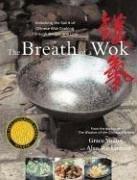
- The concept of 'wok hei' (breath of the wok) and how heat, timing, and technique create authentic flavor and texture
- Basic dough-making principles: hydration, gluten development, resting, and how these differ for dumpling wrappers vs. other applications
- Fundamental cutting and prep techniques: julienne, bias cuts, mincing, and how knife skills affect texture and cooking speed
- The role of aromatics (garlic, ginger, scallions) as flavor foundations and how to prepare them properly
- Steaming, boiling, pan-frying, and deep-frying as core cooking methods and their effects on dumpling and dim sum textures
- How ingredient quality and sourcing (fresh vs. dried, regional variations) impact authentic flavor in Chinese cooking
- What are the five fundamental flavor principles in Chinese cooking, and how do you balance them in a single dish?
- Name five essential Chinese pantry ingredients Dunlop emphasizes and explain what flavor or texture each contributes to dumplings and dim sum
- What is 'wok hei' and why is it important for achieving authentic Chinese cooking results?
- Describe the differences between a dumpling wrapper dough and other Chinese doughs in terms of hydration, kneading, and resting time
- How do you properly prepare garlic, ginger, and scallions as aromatic bases, and why does the method matter?
- Compare steaming, boiling, pan-frying, and deep-frying as cooking methods: when would you use each for dumplings or dim sum, and what texture does each produce?
- Build your Chinese pantry: source and taste five key ingredients (soy sauce, oyster sauce, sesame oil, rice vinegar, and one fermented paste). Document their origin, flavor profile, and how you'd use each in a dumpling filling
- Make a simple dumpling wrapper dough from scratch (flour, water, salt) and practice kneading, resting, and rolling to consistent thickness; compare your results to Dunlop's guidance
- Prepare a basic aromatic base (garlic, ginger, scallions) three different ways following Dunlop's techniques, then taste the results in a simple broth to understand how prep method affects flavor intensity
- Cook a single vegetable (e.g., bok choy or mushrooms) using all four methods—steaming, boiling, pan-frying, and deep-frying—and compare textures, flavors, and cooking times
- Create a flavor-balancing exercise: make two versions of a simple dumpling filling (one balanced, one deliberately unbalanced), taste both, and identify which flavor principle is missing or excessive
- Practice knife skills by julienning, bias-cutting, and mincing vegetables for 15–20 minutes daily over one week; photograph your progress to track consistency and speed
Next up: This foundation in Chinese pantry essentials, flavor balance, and core techniques equips you to move into the next stage—learning to construct actual dumpling and dim sum recipes with confidence, understanding not just *how* to make them but *why* each ingredient and technique matters.
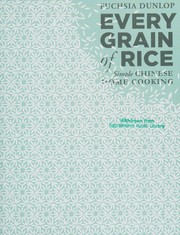
A beautifully accessible entry into authentic Chinese home cooking that builds essential vocabulary around ingredients, sauces, and techniques — the cultural and culinary foundation you need before tackling dumplings.
Explains the science behind high-heat Chinese cooking methods (steaming, pan-frying, boiling) with rigorous detail, giving beginners the technical intuition needed to cook dumplings properly at every stage.
First Folds: Dumplings from Scratch
BeginnerMake your first dumplings end-to-end — mix and roll dough, prepare classic fillings, and master the fundamental folds for potstickers, boiled dumplings, and steamed bao.
▸ Study plan for this stage
Pace: 4–5 weeks, ~20–25 pages/day, with 2–3 hands-on cooking sessions per week
- Master basic dumpling dough ratios and techniques (wheat flour, water, salt) for different wrapper types
- Understand the science of gluten development and resting periods for optimal texture and elasticity
- Learn classic filling flavor profiles and preparation methods (pork, shrimp, vegetable combinations)
- Develop muscle memory for fundamental folds: potsticker pleats, boiled dumpling seals, and bao shaping
- Know the differences between steaming, boiling, and pan-frying cooking methods and when to use each
- Practice proper sealing and crimping techniques to prevent leaking during cooking
- Recognize how ingredient quality and ratios directly affect final dumpling texture and taste
- What are the core ingredients and ratios for a basic dumpling dough, and why is resting time critical?
- How do the three main cooking methods (steaming, boiling, pan-frying) differ, and what texture does each produce?
- What are the signature folds for potstickers, boiled dumplings, and bao, and how do you execute each?
- How do you prepare and season a classic pork or shrimp filling to achieve balanced flavor and proper moisture?
- What are common mistakes when sealing dumplings, and how do you troubleshoot leaking or uneven cooking?
- How does gluten development affect dumpling wrapper texture, and what role does resting play?
- Make a batch of basic dumpling dough from Wong's recipe, rest it properly, and document how texture changes over time
- Prepare two different fillings (e.g., pork and shrimp) and taste-test them to understand flavor balance and moisture content
- Practice the potsticker fold 20+ times until you can execute it consistently without leaking
- Make a full batch of potstickers (20–30 pieces) and cook them using pan-frying; note texture, color, and any failures
- Prepare and fold boiled dumplings (10–15 pieces) using Wong's technique, then boil and evaluate the seal integrity
- Shape and steam a batch of bao (6–8 pieces) and assess rise, texture, and fold appearance
- Cook three batches of the same dumpling using three different methods (steam, boil, pan-fry) and compare results side-by-side
Next up: This stage equips you with foundational dough, filling, and folding skills that form the technical backbone for the next stage, where you'll explore regional variations, advanced fillings, and specialty shapes that build on these core techniques.

A highly approachable, visually rich guide dedicated entirely to dumplings, with clear step-by-step folding instructions and a wide range of fillings — the ideal first dedicated dumpling book.
Dim Sum Deep Dive
IntermediateReproduce a full dim sum spread at home, including delicate pleated har gow, cheung fun, turnip cake, and fluffy char siu bao, with an understanding of the specialized doughs each requires.
▸ Study plan for this stage
Pace: 4–5 weeks, ~25–30 pages/day, with 2–3 hands-on cooking sessions per week
- The structural and textural differences between wheat-based doughs (har gow wrapper, cheung fun skin) and yeast-leavened doughs (char siu bao), and how hydration and gluten development affect each
- The role of steaming as the primary cooking method in dim sum and how steam penetration, timing, and vessel choice impact final texture and doneness
- The technique of pleating har gow: hand position, fold geometry, and seal integrity to prevent filling leakage during steaming
- Turnip cake composition: the ratio of shredded daikon to rice flour slurry, the role of Chinese sausage and mushroom as flavor anchors, and why pan-frying after steaming creates textural contrast
- The fermentation science behind char siu bao: how yeast activation, bulk fermentation, and final proofing create an airy, tender crumb
- Regional and family variations in dim sum recipes documented in Blonder and Phillips, and how to adapt recipes based on ingredient availability and personal preference
- The sequence and timing of preparing multiple dim sum items simultaneously to manage oven/steamer capacity and ensure everything reaches the table hot
- What is the key difference in dough hydration and gluten development between har gow wrappers and char siu bao dough, and why does each require a different approach?
- Describe the pleating technique for har gow: how many folds are typical, where the seal should be positioned, and what happens if the seal is weak?
- How does the steaming method differ for har gow versus char siu bao, and what are the consequences of under- or over-steaming each?
- What are the three main components of turnip cake, and what role does each play in the final texture and flavor?
- Explain the fermentation timeline for char siu bao dough: what happens during bulk fermentation versus final proofing, and how do you know when each stage is complete?
- How would you adapt a dim sum recipe from Blonder or Phillips if you lacked a traditional bamboo steamer or a specific ingredient like Chinese sausage?
- If you were preparing har gow, cheung fun, turnip cake, and char siu bao simultaneously for a home dim sum service, what is the optimal prep and cooking sequence to ensure everything is hot and ready at the same time?
- Make har gow wrappers from scratch using Blonder's or Phillips's recipe; practice pleating 20 wrappers, focusing on consistent fold geometry and seal integrity; steam a test batch and evaluate for leakage and texture
- Prepare a full batch of char siu bao dough; document the bulk fermentation and final proofing stages with photos/notes; steam and taste to assess crumb structure and compare to Blonder's or Phillips's description
- Make turnip cake following both Blonder's and Phillips's recipes (if they differ); note differences in ingredient ratios, cooking time, and final texture; pan-fry slices and evaluate the contrast between steamed interior and crispy exterior
- Prepare cheung fun (rice noodle rolls) using the recipe from your assigned text; practice the rolling and steaming technique; serve with soy sauce and evaluate silkiness and delicacy
- Conduct a full dim sum service at home: prepare har gow, char siu bao, turnip cake, and cheung fun on the same day; time each component to finish within 10 minutes of each other; document what worked and what needs adjustment
- Taste and compare dim sum from a restaurant or dim sum house with your homemade versions; identify differences in texture, flavor, and appearance; hypothesize what techniques or ingredients account for the differences based on Blonder's and Phillips's guidance
- Experiment with one recipe adaptation: substitute an ingredient (e.g., use a different filling for har gow, or replace Chinese sausage with a vegetarian alternative in turnip cake); document how the change affects flavor, texture, and appearance
Next up: This stage equips you with the technical mastery and troubleshooting skills to execute classic dim sum items reliably, preparing you to explore advanced topics such as regional dim sum variations, fusion dim sum innovation, or the business and cultural context of dim sum houses.

A classic, authoritative dim sum reference that covers the history, tea culture, and full repertoire of dishes — essential reading before attempting the more technical recipes that follow.
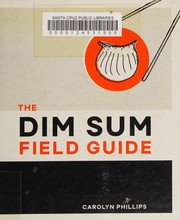
Phillips's encyclopedic knowledge of regional dim sum varieties gives intermediate cooks the vocabulary and visual recognition skills to understand what they are making and why each dish is constructed the way it is.
Bao, Bread, and Regional Mastery
IntermediateMaster yeasted and laminated bao doughs, soup dumplings (xiao long bao), and regional specialties like sheng jian bao, building confidence with more time-sensitive and technically demanding preparations.
▸ Study plan for this stage
Pace: 4–5 weeks, ~25–30 pages/day, with 2–3 dedicated cooking sessions per week
- Braising as a foundational technique for developing deep, complex flavors in dumpling fillings and accompanying sauces
- The science of collagen breakdown and gelatin formation in long, slow cooking—essential for creating silky xiao long bao broths
- Layering flavors through sequential braising stages and ingredient timing to build umami-rich fillings
- Choosing appropriate vessels, heat levels, and liquid ratios for consistent results across different protein and vegetable bases
- How braising principles apply to pre-cooking dumpling fillings to ensure they hold together and stay moist during steaming
- The relationship between braising liquid reduction and the final texture of soup dumpling aspic
- Adapting braising times and techniques for regional variations in bao and dim sum preparations
- How does the collagen-to-gelatin conversion during braising directly improve the texture and mouthfeel of xiao long bao filling and broth?
- What are the key differences in braising technique when preparing fillings for yeasted bao versus laminated bao, and why do these differences matter?
- How can you use braising liquid reduction to control the final consistency of soup dumpling aspic without compromising flavor?
- What role does sequential flavor layering (as taught in braising) play in building complex dumpling fillings, and how do you avoid oversalting or over-reducing?
- How would you adapt a braising recipe from the book to create a filling for sheng jian bao that stays moist and flavorful during pan-frying?
- What vessel choices and heat management strategies from braising ensure even cooking and prevent burning when preparing large batches of dumpling filling?
- Braise a pork shoulder or chicken thighs using Stevens' core technique (sear, deglaze, cover, low heat); taste at 1.5, 2, and 3 hours to understand collagen breakdown and gelatin development firsthand
- Prepare a xiao long bao broth by braising pork bones, ginger, and aromatics for 4–6 hours; cool, refrigerate, and observe aspic formation; use this broth in a batch of soup dumplings
- Braise a filling for sheng jian bao (pork, mushrooms, soy, ginger) following Stevens' layering principles; cool completely, portion, and use in pan-fried bao to evaluate moisture retention
- Conduct a side-by-side braising comparison: one batch with frequent lid-lifting and one undisturbed, noting how moisture loss and browning differ—apply insights to dumpling filling consistency
- Braise a vegetable-based filling (bok choy, mushrooms, garlic) using Stevens' techniques; evaluate how vegetable water content changes during cooking and adjust seasoning accordingly
- Prepare a braised filling, intentionally reduce it to three different consistencies (loose, medium, tight), and use each in a separate batch of bao to determine your preferred texture and how it affects steaming/frying
Next up: This stage grounds you in the slow-cooking science and flavor-building discipline that separates amateur from confident dumpling makers, preparing you to layer these braising principles onto the dough mastery and assembly speed required in the next stage.
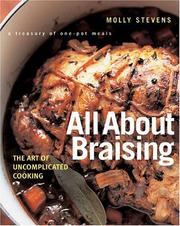
While not a dumpling book, mastering braised fillings (pork belly, short rib, aromatics) is essential for elevated bao and potsticker fillings; Stevens's technique is the clearest available for producing deeply flavored, properly textured stuffings.
Advanced Craft: Authentic Technique and Regional Breadth
ExpertAchieve restaurant-level precision in dough hydration, pleating, and regional variation across China's dumpling traditions, and understand the cultural stories behind each style.
▸ Study plan for this stage
Pace: 8–10 weeks, ~40–50 pages/day, with 2–3 dedicated cooking sessions per week
- Regional dough hydration ratios and their relationship to flour type, climate, and dumpling shape (Dunlop's Jiangnan vs. northern Chinese techniques)
- Pleating geometry and hand mechanics: the cultural and functional reasons behind regional pleating styles (Shanghai, Cantonese, Sichuan variations)
- The role of lard, oil, and water ratios in achieving texture contrasts (crispy bottoms, tender skins, juicy fillings)
- Taiwan's dumpling hybridity: Japanese influence, indigenous ingredients, and modern adaptation of mainland Chinese techniques (Erway)
- Flavor layering through fermented ingredients, aromatics, and regional condiment traditions (soy, vinegar, chili oil profiles)
- The cultural and historical narratives embedded in specific dumpling styles—migration, trade, family legacy, and regional identity
- Mise en place and timing discipline required for restaurant-level consistency and volume production
- Sensory evaluation: how to assess dough elasticity, filling moisture, and cooking doneness by touch and sound, not just appearance
- What are the key differences in dough hydration between Jiangnan (Shanghai) and northern Chinese dumpling traditions, and why do these differences exist?
- Describe the pleating technique for at least three regional dumpling styles and explain the functional and cultural reasons for each style's geometry.
- How does Taiwan's dumpling tradition reflect both Japanese colonial influence and indigenous Taiwanese ingredients, according to Erway?
- What role do fermented and aromatic ingredients play in creating regional flavor profiles, and how do these differ across the dumpling traditions covered in both books?
- Explain the relationship between fat content (lard vs. oil), dough hydration, and the final texture of the dumpling skin and filling.
- What cultural or historical event or migration pattern shaped the dumpling style of a specific region you've studied, and how is that history reflected in the dish itself?
- Make Shanghai soup dumplings (xiaolongbao) using Dunlop's hydration ratios and pleating method; document dough elasticity, steaming time, and gelatin aspic clarity; compare your results to restaurant standards
- Prepare a Cantonese har gow (shrimp dumpling) and siu mai (pork dumpling) in a single session to master two distinct pleating geometries; photograph or video your hand position and evaluate consistency across 12+ pieces
- Create a blind taste test: prepare fillings using different fat ratios (pure lard, 50/50 lard-oil, pure oil) and evaluate how each affects juiciness, richness, and skin texture when cooked
- Research and execute a Taiwanese dumpling variation from Erway's book (e.g., a hybrid style showing Japanese influence); document ingredient sourcing challenges and flavor differences from mainland versions
- Conduct a fermented ingredient comparison: make three batches of the same dumpling filling with different soy sauce types, vinegar profiles, or chili oil bases; taste and record sensory notes
- Produce a detailed technical guide (photos + written steps) for one regional pleating style, breaking down hand angle, finger pressure, and rhythm; teach it to another person and refine based on their feedback
- Prepare dumplings in volume (50+ pieces) in a single session to develop rhythm, muscle memory, and consistency; time yourself and identify where speed and precision trade off
- Host a dumpling tasting dinner featuring 3–4 regional styles from both books; prepare a tasting menu with paired condiments and document guests' sensory observations and cultural questions
Next up: This stage equips you with the technical mastery and cultural literacy to either teach dumpling-making to others, develop your own fusion variations grounded in tradition, or pursue specialized study in a single regional tradition's history and evolution.

Dunlop's deep dive into Jiangnan cuisine — the heartland of xiao long bao and other refined dumplings — provides the regional context and exacting recipes needed to push technique to an authentic, professional level.

Rounds out the curriculum by exploring Taiwan's distinct dumpling and bao culture (scallion pancakes, gua bao, oyster vermicelli), broadening the advanced cook's repertoire beyond mainland Chinese traditions.
Discussion
Keep reading
Paths that share books, cover the same subject, or open a related topic.