The Best Books to Learn Sichuan Cooking
This curriculum takes an intermediate cook on a focused journey into the heart of Sichuan cuisine, starting with the essential flavor logic and pantry before moving into technique-driven recipes and finally the deep cultural and culinary philosophy behind the food. Each stage builds on the last — you'll first understand *why* Sichuan food tastes the way it does, then master its iconic dishes, and finally reach the level of a serious practitioner who understands regional nuance and the craft behind the craft.
The Sichuan Flavor Foundation
IntermediateUnderstand the core flavor principles of Sichuan cooking — mala (numbing heat), the role of doubanjiang, Sichuan peppercorn, and dried chilies — and build a working pantry and vocabulary before touching a wok.
▸ Study plan for this stage
Pace: 4–5 weeks, ~25–30 pages/day, focusing on the foundational chapters covering flavor principles, ingredient profiles, and pantry essentials
- Mala as the defining dual sensation: numbing (from Sichuan peppercorn) and heat (from dried chilies) working in concert
- Doubanjiang (broad bean paste) as the umami and fermented backbone of Sichuan cooking
- The distinct roles and flavor profiles of Sichuan peppercorn (huajiao) versus dried chilies in building complexity
- How fermentation and aging develop depth in Sichuan pantry staples
- Regional variation within Sichuan cuisine and how geography shapes ingredient availability and technique
- Building a functional Sichuan pantry: essential spices, pastes, oils, and aromatics with proper sourcing and storage
- Flavor layering through technique: the importance of oil infusion, timing, and ingredient sequencing in Sichuan cooking
- What is mala and how do Sichuan peppercorn and dried chilies each contribute to this sensation differently?
- Why is doubanjiang considered essential to Sichuan cooking, and what does fermentation contribute to its flavor profile?
- What are the key differences between varieties of Sichuan peppercorn and dried chilies, and how do you choose between them?
- What are the non-negotiable items for a beginner's Sichuan pantry, and where should you source them?
- How does Dunlop explain the relationship between geography, ingredients, and regional Sichuan cooking styles?
- What role does oil infusion play in Sichuan cooking, and why is the temperature and timing of oil crucial?
- Create a detailed pantry inventory: source and purchase at least five core Sichuan ingredients (Sichuan peppercorn, two varieties of dried chilies, doubanjiang, and one additional fermented paste), then taste each one individually and document flavor notes
- Conduct a mala tasting: make two simple oil infusions—one with Sichuan peppercorn alone and one with dried chilies alone—then combine them and compare the sensations on your palate; write down the differences
- Read and annotate the chapters on doubanjiang and fermented ingredients, then research the production process of at least one fermented Sichuan ingredient (such as pixian doubanjiang) using Dunlop's references
- Practice oil infusion technique: infuse neutral oil with Sichuan peppercorn at different temperatures (low, medium, high) and compare the resulting flavors and aromas; document which works best for different applications
- Create a regional Sichuan flavor map: as you read about regional variations, sketch or list the key ingredients and flavor profiles associated with different Sichuan regions mentioned in the book
- Prepare a tasting board: arrange small samples of raw Sichuan peppercorn, dried chilies, doubanjiang, and one finished Sichuan condiment (such as chili oil), then taste in sequence and identify how each builds on the previous
Next up: This stage equips you with the sensory vocabulary and pantry foundation necessary to understand how mala and fermented ingredients function in actual recipes, preparing you to execute your first Sichuan dishes with intention and confidence.
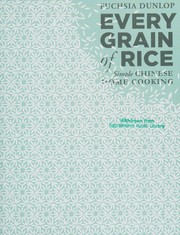
Dunlop's accessible Chinese home-cooking book introduces the essential pantry, sauces, and flavor logic shared across Chinese regional cuisines, giving intermediate cooks the baseline vocabulary they need before diving into Sichuan specifics.
Iconic Dishes: Mapo Tofu to Dan Dan Noodles
IntermediateCook the canon — mapo tofu, dan dan noodles, twice-cooked pork, kung pao chicken, and other landmark dishes — with confidence, understanding the technique and balance behind each one.
▸ Study plan for this stage
Pace: 6–8 weeks, ~40 pages/day with 2–3 cooking sessions per week. Alternate between reading sections and hands-on practice: read 2–3 days, cook 1 day, repeat.
- The role of chili oil, fermented bean paste, and Sichuan peppercorns as the foundational flavor trinity of Sichuan cuisine
- Numbing-and-spicy (málà) balance as the defining sensory principle, and how to calibrate it across dishes
- Technique of rapid stir-frying over high heat: wok seasoning, heat control, and timing as taught in Young's work
- The structure and evolution of iconic dishes (mapo tofu, dan dan noodles, twice-cooked pork, kung pao chicken) from Dunlop's historical and regional context
- Sauce-building: how to layer flavors through doubanjiang, soy, vinegar, sugar, and aromatics in proper sequence
- The relationship between ingredient quality (especially chili varieties and fermented pastes) and final dish character
- Wok hei (breath of the wok) and how high-heat stir-frying creates texture, aroma, and mouthfeel
- Regional and historical variations within Sichuan cooking that explain why the same dish has multiple 'correct' versions
- What is málà, and how do you adjust the balance of numbing and spicy elements in a single dish?
- Describe the flavor profile of doubanjiang and explain why it is essential to mapo tofu and twice-cooked pork.
- What is wok hei, and what specific techniques in Young's stir-frying method help you achieve it?
- Compare the sauce structure of dan dan noodles to kung pao chicken: what are the similarities and key differences?
- Why does Dunlop emphasize the regional origins and historical evolution of dishes like mapo tofu, and how does this knowledge improve your cooking?
- How do you know when your wok is at the correct temperature for stir-frying, and what happens if it is too cool?
- Cook mapo tofu three times using Dunlop's recipe, adjusting the ratio of Sichuan peppercorns to chili oil each time to find your preferred málà balance; document the changes.
- Make dan dan noodles from scratch: prepare the sauce, cook noodles, and taste-test at each stage to understand how soy, vinegar, sesame paste, and chili oil interact.
- Prepare twice-cooked pork following Young's stir-frying principles: focus on high heat, proper wok technique, and achieving crispy edges while maintaining tender interior.
- Cook kung pao chicken and compare your result to Dunlop's description of the dish; identify which elements (heat, sauce consistency, texture) match or diverge from her account.
- Make your own chili oil and fermented bean paste (or source high-quality versions) and taste them side-by-side with inferior commercial versions to understand ingredient impact.
- Stir-fry a simple vegetable dish (bok choy or green beans) using Young's heat-control and timing techniques to practice wok hei before attempting complex sauced dishes.
Next up: Mastery of these five canonical dishes and the underlying techniques of sauce-building, heat control, and flavor balance equips you to improvise and adapt Sichuan recipes, preparing you for the next stage where you will explore regional variations, lesser-known dishes, and how to compose your own menus.
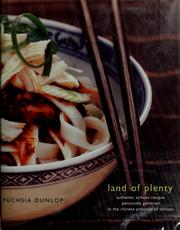
Dunlop's earlier, more recipe-focused Sichuan book goes deep on the classic restaurant and street dishes. Reading it after 'The Food of Sichuan' lets you apply the flavor framework to a rich set of traditional recipes with detailed technique notes.
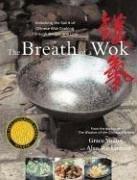
Mastering wok technique is inseparable from Sichuan cooking. Young's authoritative guide on high-heat stir-frying gives you the physical skills — wok hei, heat control, timing — needed to execute Sichuan dishes at their best.
Chili Heat, Sichuan Pepper & the Science of Mala
ExpertDevelop a sophisticated understanding of mala heat — how Sichuan pepper's hydroxy-alpha-sanshool creates tingling, how dried chilies are layered, and how to calibrate and compose heat intentionally rather than by instinct.
▸ Study plan for this stage
Pace: 4–5 weeks, ~40–50 pages/day, focusing on Chapters 8–9 (Seasonings) and relevant sections on capsaicin chemistry and flavor compounds
- Hydroxy-alpha-sanshool: the specific compound in Sichuan pepper that triggers the trigeminal nerve's touch-sensitive neurons, creating the distinctive tingling/numbing sensation distinct from heat
- Capsaicin chemistry: how dried chili peppers' pungency compounds vary by variety, drying method, and storage, and how heat intensity is measured (Scoville units, piperine analogs)
- Layering heat: the difference between front-loaded heat (fresh chilies), lingering heat (dried chilies), and delayed heat (oil infusions), and how these interact in a dish
- Mala as a composite sensation: understanding mala as the synergistic combination of Sichuan pepper's numbing effect + chili heat + other flavor compounds, not a single sensation
- Intentional heat calibration: using McGee's scientific framework to predict how cooking method, timing, and ingredient ratios affect final heat intensity rather than relying on taste-and-adjust
- Volatile vs. non-volatile compounds: how heat compounds behave differently when raw, cooked, infused in oil, or exposed to prolonged heat
- What is hydroxy-alpha-sanshool and how does it differ neurologically from capsaicin in terms of the sensations it produces?
- Explain the chemistry of why dried chilies taste different from fresh chilies, and how drying method affects the final heat profile of a Sichuan dish.
- How would you intentionally layer heat in a single dish using both Sichuan pepper and dried chilies, and what timing/technique choices would you make based on McGee's principles?
- What is mala, and why is it inaccurate to describe it simply as 'spicy'?
- How do volatile and non-volatile heat compounds behave differently when infused into oil versus added directly to a hot wok, and what does this mean for recipe design?
- Given a target heat level for a dish, how would you use McGee's framework to predict the effect of doubling the amount of Sichuan pepper versus doubling the amount of dried chili?
- Read McGee's sections on capsaicin and Sichuan pepper with a notebook; create a side-by-side comparison chart of sanshool vs. capsaicin, listing their chemical structures, the receptors they activate, and the sensations they produce.
- Conduct a blind tasting: prepare three oil infusions—one with Sichuan pepper only, one with dried chilies only, one with both—and document the onset, intensity, duration, and location of sensation on your palate and tongue.
- Prepare a single Sichuan dish (e.g., mapo tofu or chongqing chicken) twice: once following instinct/tradition, once using McGee's principles to intentionally calibrate the ratio of Sichuan pepper to dried chili to oil infusion time. Compare and reflect on the differences.
- Create a 'heat intensity worksheet' for 3–4 Sichuan recipes: for each, identify where heat comes from (Sichuan pepper, dried chili, chili oil, fresh chili), estimate the timing and technique for each component, and predict the mala profile before cooking.
- Experiment with drying methods: if possible, dry fresh chilies using different techniques (sun-drying, oven, dehydrator) and taste them raw and in oil infusions; document how the drying method changes the heat profile using McGee's framework.
- Write a 500-word technical note explaining mala to someone unfamiliar with Sichuan cooking, using McGee's chemistry to justify why mala is not simply 'spicy' and why the combination of Sichuan pepper + chili is essential to the experience.
Next up: This stage equips you with the scientific vocabulary and sensory precision to move beyond recipes into intentional flavor composition—you'll next learn how to design dishes where mala is not an accident but a calibrated, repeatable element that complements other flavor dimensions like numbing, salty, sour, and aromatic.
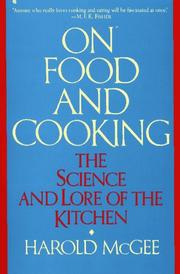
McGee's essential food-science reference explains the chemistry of capsaicin, the unique neurological mechanism of Sichuan peppercorn, and how fat, acid, and salt modulate heat perception — giving you the scientific grounding to cook mala with precision.
Cultural Depth & Regional Mastery
ExpertSituate Sichuan cooking within the broader sweep of Chinese culinary history and culture, understand how the cuisine evolved, and reach the level of a practitioner who cooks with historical and philosophical awareness.
▸ Study plan for this stage
Pace: 8–10 weeks, ~25–30 pages/day, with 1–2 weeks between books for integration and practice
- Sichuan cuisine's evolution from ancient trade routes to modern regional identity, shaped by geography, migration, and historical events
- The numbing-spicy flavor profile (málà) as a philosophical and sensory framework distinct from other Chinese regional cuisines
- How Sichuan cooking reflects broader Chinese culinary principles (balance, seasonality, medicinal properties) while maintaining unique regional character
- The role of preserved and fermented ingredients (doubanjiang, pixian douban, chili pastes) as foundational to Sichuan technique and flavor development
- Sichuan cooking as a living practice embedded in social, economic, and spiritual contexts—not merely technique but cultural expression
- The relationship between poverty, resourcefulness, and innovation in Sichuan's culinary development and ingredient choices
- Regional variation within Sichuan itself: how geography, climate, and local history create distinct sub-regional cooking styles
- The philosophical underpinnings of Chinese cooking (yin-yang balance, five flavors, medicinal cooking) as they manifest specifically in Sichuan practice
- How did Sichuan's geographic isolation and climate shape the development of its distinctive flavor profile and ingredient preferences?
- What is málà, and how does this sensory experience differ philosophically and practically from the heat-based spice profiles of other cuisines?
- Trace the historical events and migrations that influenced Sichuan cooking from ancient times through the modern era—what were the turning points?
- Why are fermented and preserved ingredients (doubanjiang, pixian douban, chili pastes) so central to Sichuan cooking, and how do they function in both flavor and technique?
- How does Sichuan cooking embody broader Chinese culinary philosophy (balance, seasonality, medicinal properties), and where does it diverge or emphasize differently?
- Explain the relationship between Sichuan's economic history and the development of its cuisine—how did resourcefulness and poverty shape ingredient choices and cooking methods?
- What are the major regional variations within Sichuan itself, and what geographic or historical factors explain these differences?
- Create a detailed timeline mapping key historical events (trade routes, migrations, political shifts, famines) to specific developments in Sichuan cuisine, using evidence from both books
- Conduct a comparative tasting: prepare or source 3–4 dishes that exemplify different regional Sichuan styles (e.g., Chengdu vs. Chongqing), then analyze how geography and history shaped each
- Deep-dive into fermented ingredients: make or source pixian douban and doubanjiang, taste them side-by-side, document their flavor profiles, and trace how they appear across 5–6 recipes from the books
- Write a 1,500–2,000 word essay analyzing how one Sichuan dish (e.g., mapo tofu, chongqing chicken) reflects the broader cultural, economic, and philosophical contexts described in the books
- Interview or correspond with a Sichuan cook (in person, online, or via video) about how they learned to cook, what ingredients they consider non-negotiable, and how they understand the málà concept—synthesize findings with the books
- Prepare a 3–4 course Sichuan meal that deliberately showcases regional variation, balance of flavors, and the use of preserved ingredients; document your process and reflect on how the meal tells a cultural story
Next up: This stage establishes Sichuan cooking as a historically rooted, philosophically coherent culinary tradition, preparing you to move into the next stage—whether that involves mastering advanced techniques, exploring the intersection of Sichuan cooking with other regional Chinese cuisines, or developing your own voice as a practitioner-teacher.
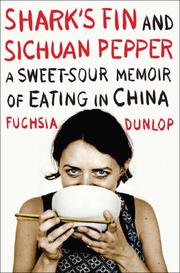
Dunlop's memoir of her years training in Chengdu as the first Western student at the Sichuan Institute of Higher Cuisine is the most intimate account of Sichuan food culture in English — essential for understanding the human and historical dimension behind the recipes.
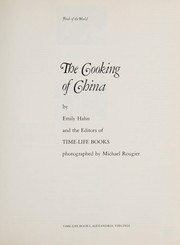
This classic cultural survey of Chinese regional cuisines places Sichuan in its national context, helping advanced learners understand how Sichuan's bold flavors distinguish it from and relate to Cantonese, Hunanese, and other traditions.
Discussion
Keep reading
Paths that share books, cover the same subject, or open a related topic.