Vegan cooking: the best books to cook plant-based food you crave
This curriculum takes a beginner home cook from zero vegan knowledge to confident, creative plant-based cooking across four progressive stages. Each stage builds on the last — first establishing pantry and technique fundamentals, then mastering protein and flavor, then exploring global and restaurant-level depth, and finally developing the intuition to cook freely without recipes.
Foundations: Pantry, Mindset & First Meals
BeginnerUnderstand what vegan cooking actually is, stock a plant-based pantry, and confidently cook satisfying everyday meals without feeling like something is missing.
▸ Study plan for this stage
Pace: 8–10 weeks, ~40–50 pages/day (mix of reading and hands-on cooking)
- Plant-based proteins: legumes, tofu, tempeh, seitan, nuts, and seeds as complete or complementary protein sources
- Essential pantry staples: oils, vinegars, spices, canned goods, grains, and flavor-builders that replace animal products
- Flavor foundations: how umami, acid, fat, and salt work together in vegan cooking to create satisfying dishes
- Cooking techniques: sautéing, roasting, braising, and pan-searing vegetables and plant proteins to develop depth and texture
- Meal structure: building balanced plates with grains, proteins, vegetables, and healthy fats for nutritional completeness
- Substitution logic: understanding why certain ingredients replace dairy/eggs (aquafaba, nutritional yeast, plant milks) and when to use them
- Confidence through repetition: mastering a core repertoire of everyday recipes before expanding to more complex cooking
- Mindset shift: recognizing vegan meals as inherently satisfying, not as 'lacking' animal products
- What are the main plant-based protein sources, and how do you combine incomplete proteins to create complete amino acid profiles?
- What are 10–15 essential pantry staples you need to cook vegan meals, and why is each one important?
- How do umami, acid, fat, and salt interact to make vegan food taste rich and satisfying?
- What are three cooking techniques from Bittman's book that help develop flavor in vegetables and plant proteins, and when do you use each?
- How do you structure a balanced vegan meal, and what role does each component (grain, protein, vegetable, fat) play?
- When would you use aquafaba, nutritional yeast, or plant milk in a recipe, and what are you trying to achieve in each case?
- Stock your pantry: Buy and organize 15–20 staples from Bittman's pantry essentials list (oils, vinegars, spices, canned beans, grains, etc.). Label and arrange by category.
- Cook 3 recipes from 'How to Cook Everything Vegetarian' that use different proteins (one legume-based, one tofu-based, one grain-based) and write notes on flavor, texture, and what made each satisfying.
- Prepare 4 recipes from 'Isa Does It' that represent different meal types (breakfast, lunch, dinner, snack/side). Document what you learned about flavor-building in each.
- Master one 'workhorse' recipe from each book (e.g., a Bittman vegetable braise and an Isa Moskowitz sheet-pan meal) and cook it twice, adjusting seasonings and technique the second time.
- Create a flavor-building experiment: Cook the same base vegetable (e.g., roasted broccoli) three ways using different acid, fat, and umami combinations from the books. Taste and compare.
- Plan and cook a full vegan dinner for yourself or others using recipes from both books, ensuring balanced nutrition (protein, grain, vegetable, healthy fat) and documenting your process.
Next up: This stage equips you with foundational techniques, a stocked pantry, and confidence in everyday cooking, preparing you to explore more specialized cuisines, advanced flavor profiles, and cooking for different dietary needs or occasions in the next stage.

A comprehensive, no-fuss reference that teaches core cooking techniques (roasting, sautéing, braising) using plants as the star — perfect for building foundational kitchen confidence before going specifically vegan.
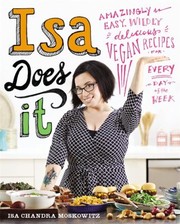
Approachable, weeknight-friendly vegan recipes with clear instructions; Moskowitz demystifies plant-based cooking and proves it can be fast, cheap, and deeply satisfying right from the start.
Protein & Substance: Making Vegan Food Filling
BeginnerMaster the key vegan protein sources — legumes, tofu, tempeh, and whole grains — so every meal feels complete and nourishing rather than like a side dish.
▸ Study plan for this stage
Pace: 4–5 weeks, ~25–30 pages/day, with 2–3 cooking sessions per week
- Legumes as complete proteins: cooking dried beans and lentils from scratch, understanding soaking methods, and building flavor through aromatics and spices
- Tofu and tempeh fundamentals: pressing, marinating, and cooking techniques that transform texture and taste (crispy, creamy, chewy)
- Whole grains as protein partners: cooking methods for quinoa, farro, millet, and brown rice; combining grains with legumes for complete amino acid profiles
- Building satisfying, protein-forward meals: layering legumes, grains, and vegetables so dishes feel substantial without relying on meat analogues
- Pantry staples and homemade bases: making your own vegetable broths, nut milks, and fermented condiments to deepen flavor and nutritional density
- Flavor development in plant-based cooking: using umami-rich ingredients (nutritional yeast, miso, tamari) and cooking techniques to create depth
- Meal composition and balance: understanding portion sizes and plate structure so vegan meals deliver satiety and sustained energy
- What are the three main methods for cooking dried legumes, and when would you use each one (quick-soak, overnight soak, no-soak)?
- How do you press tofu effectively, and why does the pressing method differ depending on whether you want crispy or creamy results?
- What makes a complete protein when combining grains and legumes, and can you name three specific combinations from the books?
- How do you build umami and depth in a vegan dish without meat or stock, using techniques and ingredients from *The Homemade Vegan Pantry*?
- Design a complete, protein-forward meal using at least one legume, one grain, and one cooking technique from *Oh She Glows Cookbook*—why does this meal feel filling?
- What is the difference between tempeh and tofu in terms of nutrition, texture, and cooking applications, and when would you choose one over the other?
- Cook three different dried legumes (chickpeas, black beans, lentils) using different methods; taste and compare texture, flavor, and cooking time. Document which method you prefer for each.
- Press tofu three ways (cheesecloth, tofu press, paper towels) and cook each batch using a different method (pan-fry, bake, crumble); compare texture and flavor outcomes.
- Make a complete grain-and-legume bowl from *Oh She Glows Cookbook*; analyze the protein content and why the combination feels satisfying.
- Prepare homemade vegetable broth and nut milk from *The Homemade Vegan Pantry*; use the broth in a legume-based soup and compare flavor depth to store-bought versions.
- Cook tempeh using two different preparation methods (steaming before pan-frying vs. marinating raw); taste side-by-side and note texture and flavor differences.
- Design and cook a week of dinners where each meal centers on a different protein source (legumes, tofu, tempeh, whole grains); photograph and journal how each meal affects your satiety and energy levels.
Next up: Mastering these foundational proteins and cooking techniques gives you the confidence and flavor vocabulary to move into the next stage, where you'll learn to build variety and complexity—layering cuisines, creating restaurant-quality dishes, and developing your own signature recipes.

Focuses heavily on whole-food, nutrient-dense meals built around legumes and grains; the recipes are structured to teach readers how to build a balanced, protein-rich plate naturally.
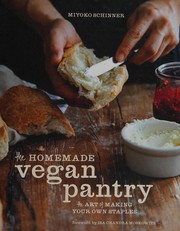
Teaches readers to make their own vegan staples — nut cheeses, plant butters, seitan, and more — giving a deep understanding of how vegan proteins and dairy replacements actually work from scratch.
Flavor Mastery: Umami, Spice & Global Technique
IntermediateDevelop a sophisticated flavor toolkit — understanding umami, layering spices, and drawing on global cuisines — so vegan food tastes bold and complex, not bland.
▸ Study plan for this stage
Pace: 8–10 weeks, ~40–50 pages/day with 2–3 cooking sessions per week. Start with "Plenty" (4–5 weeks), then move to "Vegan Richa's Indian Kitchen" (4–5 weeks). Allow overlap time for recipe testing and technique refinement.
- Umami in plant-based cooking: how to build savory depth using miso, soy sauce, nutritional yeast, tomato paste, mushrooms, and fermented ingredients
- Spice layering and toasting: building complexity through spice selection, timing, and technique rather than heat alone
- Ottolenghi's vegetable-forward philosophy: treating vegetables as the star, not the side, and maximizing their natural flavors through roasting, charring, and acid balance
- Indian spice architecture: understanding how whole spices, spice blends (garam masala, tadka), and cooking methods (tempering, blooming spices in oil) create layered flavor profiles
- Acid, salt, and fat balance: using lemon, lime, vinegar, and fresh herbs to brighten dishes and balance rich, umami-forward flavors
- Global flavor combinations: learning how different cuisines (Mediterranean, Middle Eastern, Indian) approach seasoning and how to apply these principles across vegan cooking
- Technique over ingredients: mastering cooking methods (roasting, sautéing, slow-cooking) that develop flavor rather than relying on processed substitutes
- How do you build umami depth in vegan cooking without animal products, and what are at least five plant-based ingredients that deliver umami?
- What is the difference between using spices for heat versus using them for complexity, and how does Richa Hingle's approach to Indian spices exemplify this?
- How does Ottolenghi's approach to vegetables differ from traditional cooking, and what techniques does he use to maximize vegetable flavor?
- Explain the concept of spice tempering (tadka) and why it matters for Indian vegan cooking—how does it differ from simply adding spices to a dish?
- How do you balance a rich, umami-forward dish with acid and salt, and why is this balance critical in both Mediterranean and Indian cuisines?
- Choose one recipe from 'Plenty' and one from 'Vegan Richa's Indian Kitchen' and explain how they each use different flavor-building techniques to avoid blandness.
- Cook 3–4 recipes from 'Plenty' that feature different vegetables (e.g., roasted cauliflower, charred eggplant, slow-roasted tomatoes) and document how roasting/charring develops natural sweetness and depth.
- Prepare a simple vegetable dish (e.g., sautéed greens or roasted root vegetables) three ways: once with just salt and oil, once with acid (lemon/vinegar), and once with umami (miso or soy sauce). Taste and compare to understand the impact of each element.
- Toast and bloom whole spices (cumin, coriander, mustard seeds, fenugreek) separately, then smell and taste each. Create a tasting journal noting how toasting changes their flavor profile.
- Recreate one tadka (tempering) recipe from 'Vegan Richa's Indian Kitchen' (e.g., a dal or vegetable curry) and practice the technique of blooming spices in hot oil/ghee substitute. Note how the aroma and flavor differ from pre-ground spices added directly.
- Create a flavor matrix: choose 3 vegetables and season each with Mediterranean flavors (olive oil, lemon, oregano), Indian flavors (cumin, coriander, ginger, turmeric), and a third global cuisine. Cook and taste to understand how the same ingredient transforms across flavor systems.
- Prepare a multi-component meal from 'Plenty' (e.g., a grain, roasted vegetable, and sauce) and practice balancing salt, acid, and fat across all components—adjust one element at a time and note the impact on overall harmony.
Next up: This stage equips you with a sophisticated flavor vocabulary and hands-on mastery of umami, spice, and global techniques—preparing you to move into the next stage where you'll apply these skills to more complex recipe development, meal planning, and creating your own signature vegan dishes.

Ottolenghi's vegetable-forward cooking is a masterclass in flavor layering, using herbs, spices, acids, and heat in ways that make every dish taste extraordinary — essential for leveling up vegan cooking.

Indian cuisine is naturally rich in plant-based protein and complex spicing; this book teaches readers to use aromatics, tempering, and spice blends to create deeply satisfying vegan meals.
Creative Depth: Cooking Without a Recipe
ExpertInternalize vegan cooking principles deeply enough to improvise, adapt any recipe, and cook intuitively — building meals from whatever is in the fridge with confidence and creativity.
▸ Study plan for this stage
Pace: 8–10 weeks, ~40–50 pages/day, with 2–3 cooking sessions per week interspersed throughout
- Building umami and depth through layering techniques (miso, soy, nutritional yeast, fermented ingredients) as demonstrated in Wicked Healthy
- Understanding vegetable-forward composition and the principle of 'plenty' — using abundance and variety to create satisfying meals without relying on protein substitutes
- Mastering flavor balance across salt, acid, heat, and richness in plant-based cooking
- Recognizing structural patterns in recipes (grain + vegetable + sauce/dressing) to deconstruct and improvise
- Developing intuition for ingredient substitution based on flavor profile, texture, and cooking method
- Using seasonal and pantry staples strategically to adapt recipes on the fly
- Applying Ottolenghi's technique of combining raw, cooked, and pickled elements for complexity and interest
- How do you build deep umami and savory complexity in plant-based dishes without meat or traditional stock, and what are the key ingredients Wicked Healthy relies on?
- What is the core philosophy behind Ottolenghi's 'plenty' approach, and how does abundance of vegetables and varied textures replace the need for heavy proteins?
- Given a set of random pantry ingredients, how would you construct a balanced vegan meal using the principles from both books?
- How do you adapt a recipe from either book by substituting one or more key ingredients while maintaining flavor and textural integrity?
- What are the signature techniques in Wicked Healthy (e.g., charring, sauce-building) and Ottolenghi (e.g., layering raw and cooked, pickling) that you can apply across different recipes?
- How do you assess whether a dish needs more salt, acid, heat, or richness, and what plant-based tools do you reach for to correct it?
- Cook 5–6 recipes from Wicked Healthy, paying close attention to umami-building techniques; after each, write down the flavor layers and identify which ingredients contributed savory depth
- Prepare 4–5 Ottolenghi recipes from Plenty More, focusing on how raw, cooked, and pickled elements interact; photograph and journal the textural and flavor contrasts
- Deconstruct 3 recipes from each book by listing their core components (grain/base, main vegetable(s), sauce/dressing, garnish); then improvise a new dish using the same structure but different ingredients from your pantry
- Create a 'flavor toolkit' reference sheet listing umami boosters, acid sources, heat elements, and richness builders available in your kitchen; use it to troubleshoot a dish that tastes flat
- Cook the same vegetable (e.g., broccoli, cauliflower, or eggplant) using three different techniques from the two books (e.g., charred from Wicked Healthy, raw-and-cooked from Ottolenghi, pickled); compare how technique transforms flavor and application
- Plan and execute a full meal (appetizer, main, side, or dessert) using only ingredients you already have at home, applying principles from both books without consulting a recipe
Next up: This stage equips you with the intuitive understanding and technical confidence to move into the next level, where you'll likely explore either specialized cuisines, advanced techniques (fermentation, molecular gastronomy), or teaching others to cook creatively without recipes.

Written by professional plant-based chefs, this book bridges home cooking and restaurant-level technique, teaching readers how to think about texture, smoke, char, and umami like a pro.

The follow-up to Plenty goes even deeper into vegetable cookery, organized by technique rather than ingredient — ideal for a reader now ready to think in methods rather than just recipes.
Discussion
Keep reading
Paths that share books, cover the same subject, or open a related topic.