Best Ukrainian Cookbooks to Learn the Cuisine
This curriculum takes you from the cultural soul of Ukrainian food all the way to mastering its most iconic dishes and regional traditions. Each stage builds on the last: you first absorb the history and philosophy of the cuisine, then tackle its essential recipes hands-on, and finally dive into the deep regional and artisan traditions that separate a good Ukrainian cook from a great one.
Going Deeper: Borscht, Bread, and Fermentation
IntermediateMaster the nuance within Ukrainian staples — the regional borscht spectrum, sourdough pampushky and ritual breads like paska, and the art of curing and appreciating salo.
▸ Study plan for this stage
Pace: 6–7 weeks, ~40–50 pages/day. Start with "The Rye Baker" (weeks 1–3, ~150 pages), then "Please to the Table" (weeks 4–7, ~250 pages), with overlap for hands-on practice.
- The chemistry and craft of rye fermentation: how sourdough cultures develop flavor, structure, and the distinctive tang in Eastern European breads
- Regional variations in Ukrainian borscht: the role of beet varieties, fermentation timing, and regional ingredients (beet kvass, sorrel, dill) in creating distinct flavor profiles
- Ritual and ceremonial breads in Ukrainian culture: the symbolism and technical requirements of paska (Easter bread), pampushky (sweet yeast rolls), and their place in Orthodox traditions
- The art of salo curing and preservation: salt ratios, smoking techniques, aging conditions, and the cultural significance of salo as a cornerstone of Ukrainian cuisine
- Fermentation as a preservation method: understanding how curing, pickling, and fermentation extend shelf life and develop complex flavors in vegetables and proteins
- The intersection of tradition and technique: how historical necessity (long winters, limited refrigeration) shaped Ukrainian cooking methods that remain relevant today
- What are the key differences between rye and wheat fermentation, and how does 'The Rye Baker' explain the development of sourdough cultures specific to Eastern European breads?
- Describe the regional variations of borscht discussed in 'Please to the Table'—what ingredients and techniques distinguish different Ukrainian regional styles?
- What is paska, and what are the technical and symbolic requirements for making it according to the recipes and cultural context in 'Please to the Table'?
- Explain the process of curing salo: what role do salt, temperature, and time play, and why is salo considered essential to Ukrainian food culture?
- How do fermentation and curing techniques serve as preservation methods in Ukrainian cuisine, and what flavors do they develop over time?
- How do the breads and fermented foods discussed in these books reflect the historical and climate conditions of Ukraine?
- Bake a rye sourdough loaf using Ginsberg's methods from 'The Rye Baker': maintain a rye starter for 2 weeks, then execute a full fermentation cycle. Document how the dough's flavor and texture evolve at each stage.
- Prepare three regional borscht variations using recipes from 'Please to the Table': one with fermented beet kvass, one with sorrel, and one with a different regional ingredient profile. Taste and compare the flavor differences.
- Make pampushky (sweet yeast rolls) from 'Please to the Table' and serve them with garlic sauce. Practice shaping and proofing to achieve the characteristic light, airy crumb.
- Cure a batch of salo using the traditional method: select pork belly, apply salt cure, age for 3–4 weeks in cool conditions, and document the transformation. Taste at different intervals.
- Prepare paska (Easter bread) from 'Please to the Table' during the appropriate season or as a standalone project. Focus on the enriched dough, shaping, and the symbolic decoration.
- Create a fermented vegetable pickle (like cucumbers or cabbage) using techniques implied in 'Please to the Table': establish proper salt ratios, monitor fermentation progress, and taste at different fermentation stages (3 days, 1 week, 2 weeks).
Next up: This stage establishes mastery of Ukraine's foundational staples and fermentation traditions, providing the technical and cultural knowledge needed to explore regional Ukrainian cuisine in depth and understand how these core techniques appear across the broader repertoire of dishes.

Ukrainian bread culture is inseparable from rye and sourdough; this authoritative guide to Eastern European rye breads gives the technical foundation for understanding and baking Ukrainian loaves, from everyday rye to festive breads.
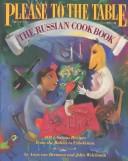
Von Bremzen's encyclopedic treatment of the Soviet and post-Soviet table includes extensive Ukrainian chapters with deep historical notes on borscht variants, preserved meats, and pickled vegetables — essential reading for understanding regional differentiation.
Regional Mastery: Home-Cooking Traditions Across Ukraine
ExpertUnderstand how Ukrainian cooking shifts dramatically by region — Poltava, Galicia, Odesa, the Carpathians — and cook dishes that reflect those distinct local identities.
▸ Study plan for this stage
Pace: 4–5 weeks, ~25–30 pages/day, with 2–3 cooking sessions per week
- Regional ingredient availability and seasonal variation as drivers of distinct Ukrainian cuisines (Poltava's grain-based dishes, Galician dairy traditions, Odesa's seafood influence, Carpathian mountain foraging)
- How festive and ceremonial occasions shape regional cooking practices and recipe preservation across Ukraine
- The role of historical trade routes and cultural influences (Polish, Austro-Hungarian, Ottoman, Russian) in shaping regional flavor profiles and techniques
- Technique mastery specific to regional traditions: fermentation and preservation methods, bread-making variations, meat preparation styles, and vegetable cookery by region
- The connection between Ukrainian Orthodox and folk calendar celebrations and the dishes that define each region's festive table
- How to identify and source authentic regional ingredients and acceptable substitutions for diaspora cooking
- The cultural and social significance of specific dishes within their home regions and how to honor that context when cooking
- What are the defining ingredients and cooking techniques that distinguish Poltava cuisine from Galician, Odesa, and Carpathian traditions, and why did each region develop these characteristics?
- How do festive occasions and the Ukrainian calendar shape what dishes are prepared in different regions, and what makes these dishes regionally specific rather than pan-Ukrainian?
- Which historical influences (trade, conquest, migration) left the strongest mark on each region's cooking, and how can you taste those influences in the food?
- How do preservation and fermentation techniques vary by region, and what does this reveal about each region's climate and agricultural output?
- What are the core techniques you need to master to authentically cook a Poltava, Galician, Odesa, or Carpathian festive dish, and how do they differ from one another?
- How would you adapt a regional Ukrainian recipe for ingredients available in your local market while maintaining its authentic character and regional identity?
- Read and annotate Pisetska Farley's introduction and regional sections, mapping which dishes belong to which regions and noting the historical and geographical explanations provided
- Cook one signature festive dish from each of the four major regions (Poltava, Galicia, Odesa, Carpathians) over consecutive weeks, documenting the techniques, ingredients, and flavors that make each regionally distinct
- Create a regional ingredient chart: list 10–15 key ingredients for each region, note their seasonal availability, and research where to source them authentically or what substitutions work best
- Prepare a festive meal from one region using Pisetska Farley's recipes, then research the cultural occasion or holiday it celebrates and write a short reflection on how the food embodies that region's identity
- Compare two versions of a similar dish (e.g., a bread, soup, or meat preparation) from different regions using Pisetska Farley's recipes; cook both and analyze how technique, ingredients, and proportions shift the flavor and cultural meaning
- Interview a Ukrainian cook or family member (if available) about their home region's festive traditions, or research oral histories; record how their accounts align with or expand on Pisetska Farley's documentation
Next up: This stage grounds you in the lived, regional reality of Ukrainian cooking through festive traditions, preparing you to explore either the deeper historical evolution of these regional cuisines or the role of Ukrainian cooking in diaspora communities and contemporary fusion contexts.
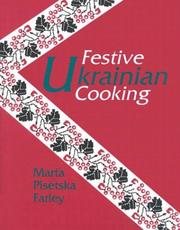
Farley's landmark work documents the ritual and ceremonial cooking of Ukraine — Christmas Eve Svyata Vecherya, Easter paska and pysanka traditions — providing the cultural capstone that ties together everything learned in earlier stages.
Discussion
Keep reading
Paths that share books, cover the same subject, or open a related topic.