Ukrainian cooking has a specific bibliographic problem. For most of the twentieth century, its dishes were published in English inside collections labelled Russian or Soviet, which flattened distinct regional cuisines into one imperial category. Borscht is the famous casualty of that flattening, but it happens throughout: recipes survive, attribution does not. Recent years have brought better Ukrainian food writing, though the English shelf remains short.
That shapes this path. It is only three books, and the ordering logic is different from a typical cuisine list. Start with the technique that Ukrainian cooking is genuinely built on, then take the broad regional collection with its context in mind, then the book written specifically from within the tradition.
Start with bread, because it is the foundation
The rye baker by Stanley Ginsberg is the technical entry point, and it belongs first rather than last. Ukrainian and wider Eastern European baking runs on rye, and rye behaves nothing like wheat: less gluten, more enzyme activity, sour cultures that control the crumb rather than merely flavour it. Ginsberg explains that chemistry properly and then gives well-tested formulas across Northern and Eastern Europe, including the dense dark loaves that anchor the region's table.
Baking a decent rye changes what the rest of the food tastes like alongside it. It is also the skill least likely to be picked up by watching, which makes a careful book unusually valuable here.
The regional collection, read with context
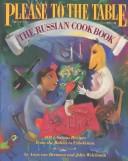
Please to the Table by Anya von Bremzen and John Welchman is the large, thorough collection of recipes from across the former Soviet republics, and it remains a genuinely useful working cookbook: borscht in several forms, varenyky, holubtsi, salads, preserves, and the whole repertoire of the shared table. The recipes are reliable and well tested.
The framing is where care is needed. The book was published in 1990 under a Soviet organising principle, and while it does identify regional origins, plenty of readers today would arrange the same material differently and attribute more of it explicitly to Ukraine. Ukrainian food writers have argued this point forcefully in recent years. Use the book for its technique and breadth, and treat its geography as a product of when it was written rather than a settled account.
The tradition on its own terms
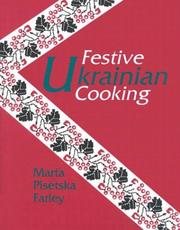
Finish with Festive Ukrainian cooking by Marta Pisetska Farley, which comes from inside the tradition and is organised around the calendar: Christmas Eve's twelve meatless dishes, Easter breads and baskets, the foods attached to particular days and rites. That structure teaches something a recipe index cannot, which is what the food is for and when it appears.
Farley is also the book to read if you want the vocabulary: kutia, paska, pampushky, varenyky by their names and their occasions. Read it after the other two and you will have the technique from Ginsberg, the breadth from von Bremzen, and the frame from Farley.
Three books is a small path, and that reflects the shelf rather than the cuisine. If you want to go further, the strongest additions are recent Ukrainian-authored books published since 2022, plus regional collections from Poland and the Caucasus that share techniques and ingredients. In the meantime, work through these in order and you can cook a real Ukrainian table. Other cuisine paths are collected on Discover.
Follow the full ordered path here: Ukrainian Cookbooks Worth Owning, and the Order to Use Them.