Best Taiwanese Cookbooks to Learn the Cuisine
This curriculum moves from the essential flavors and pantry logic of Taiwanese cooking through its night market street food, its defining braises and beef noodle soups, and finally into the deep historical roots — Hokkien (Southern Fujianese) and Japanese colonial — that make Taiwanese cuisine unlike any other. Each stage builds the ingredient knowledge, technique vocabulary, and cultural context needed to fully appreciate the next, turning a beginner into a genuinely informed and capable Taiwanese home cook.
Foundations: Flavor, Pantry & the Taiwanese Table
BeginnerUnderstand the essential pantry — soy paste, rice wine, sesame oil, doubanjiang, five-spice, lard — and cook approachable everyday Taiwanese dishes that establish the flavor logic underpinning everything else.
▸ Study plan for this stage
Pace: 4–5 weeks, ~20–25 pages/day, with 2–3 cooking sessions per week
- The foundational role of soy paste (doubanjiang), soy sauce, and fermented condiments in building umami depth across Taiwanese dishes
- How rice wine (米酒) and sesame oil function as flavor bridges and finishing elements rather than primary ingredients
- The strategic use of lard (豬油) in Taiwanese cooking for texture, flavor carry, and traditional technique authenticity
- Five-spice powder and other warm spices as subtle background notes that distinguish Taiwanese flavor profiles from other Asian cuisines
- The relationship between ingredient quality and simplicity: why Taiwanese everyday cooking relies on a small, well-chosen pantry
- Regional and seasonal variations within Taiwan that shape ingredient choices and cooking methods
- The cultural and historical context of Taiwanese home cooking versus restaurant cooking
- What are the three most essential fermented condiments in Taiwanese cooking, and how does each contribute differently to flavor?
- Explain the difference between how soy sauce and doubanjiang are used in a typical Taiwanese dish—why not use one or the other?
- Why is lard considered essential in traditional Taiwanese cooking, and what texture or flavor quality does it provide that neutral oil cannot?
- How do rice wine and sesame oil function differently in a dish—at what stage would you add each, and why?
- Describe a simple Taiwanese everyday dish from the book and identify which pantry staples make it distinctly Taiwanese rather than generically Asian
- What role does five-spice play in Taiwanese cuisine, and in which types of dishes would you expect to find it?
- Taste test: Prepare a simple braised vegetable or protein dish twice—once with the traditional Taiwanese pantry (soy paste, rice wine, sesame oil, lard) and once with modern substitutes (soy sauce only, neutral oil). Write tasting notes on how the flavor profile, mouthfeel, and finish differ
- Pantry audit: Assemble or source the six core Taiwanese pantry items mentioned in the stage goal. Examine each ingredient—smell, taste a small amount, read the label—and write a one-paragraph description of its flavor, aroma, and best use
- Cook three everyday Taiwanese dishes from 'The Food of Taiwan' that each highlight a different core ingredient: one featuring doubanjiang, one featuring lard, one featuring sesame oil as a finisher. Document what you notice about how each ingredient transforms the dish
- Recipe annotation: Select two recipes from the book. Annotate them to explain why each ingredient is there and what flavor or texture role it plays—especially the fermented and fat components
- Substitution challenge: Take one recipe from the book and intentionally substitute modern or Western ingredients (e.g., olive oil for lard, soy sauce for doubanjiang). Cook it and compare to the original. Reflect on what is lost and what might be gained
- Flavor mapping: Create a visual chart or written guide showing the five core pantry items and how they interact in a single dish—e.g., how soy paste provides salt and umami, how sesame oil adds aroma and finish, how rice wine balances richness
Next up: By mastering these foundational flavors and pantry staples, you'll have internalized the flavor logic that underpins all Taiwanese cooking, allowing the next stage to build on this base by exploring regional specialties, more complex techniques, and how these core ingredients combine in deeper, more nuanced dishes.

The single best English-language entry point: Erway covers pantry staples, technique basics, and a wide sweep of everyday dishes with clear cultural context, giving beginners a reliable map of the whole cuisine before diving into specialties.
Night Market Classics: Street Food & Small Bites
BeginnerMaster the iconic street-food canon — scallion pancakes, oyster vermicelli, popcorn chicken, pork chop rice, stinky tofu preparations, bubble tea — and understand the night market as a cultural institution.
▸ Study plan for this stage
Pace: 4–5 weeks, ~25–30 pages/day. Start with "Bao" (2 weeks), then move to "The Dumpling Galaxy Cookbook" (2–3 weeks), allowing time for recipe testing between books.
- The cultural and historical significance of Taiwan's night markets as social and culinary hubs
- Fundamental dough-making techniques for bao, scallion pancakes, and other street-food wrappers
- Flavor-building principles in Taiwanese street food: balance of savory, sweet, umami, and textural contrast
- Signature fillings and preparations for iconic dishes (oyster vermicelli, popcorn chicken, pork chop rice, stinky tofu)
- The role of fermentation and preserved ingredients in Taiwanese cooking
- Bubble tea components and the craft of layering flavors and textures in drinks
- Ingredient sourcing and substitutions for authentic Taiwanese cooking outside Taiwan
- What makes the night market a cultural institution in Taiwan, and how does this context shape the food served there?
- What are the key differences between the dough techniques used in 'Bao' and how do they apply to other street-food wrappers?
- How do Taiwanese street-food dishes balance sweet, savory, umami, and textural elements?
- What are the essential components of bubble tea, and how do you layer flavors to create depth?
- How do fermented and preserved ingredients (like stinky tofu, fermented bean paste) function in Taiwanese street food?
- What substitutions or adaptations from 'The Dumpling Galaxy Cookbook' allow you to recreate Taiwanese street food authentically outside Taiwan?
- Make at least three different types of bao dough from 'Bao' (steamed, fried, or pan-fried) and document how hydration and kneading affect texture.
- Prepare a complete scallion pancake from scratch, including lamination technique, and compare your results to the book's guidance.
- Cook oyster vermicelli and popcorn chicken in sequence, focusing on how each dish uses different cooking methods (stir-fry vs. deep-fry) to achieve signature textures.
- Make a pork chop rice bowl, paying attention to the sauce balance and how it coats both the meat and rice.
- Prepare stinky tofu two ways (fried and braised) to understand how cooking method transforms the ingredient's flavor profile.
- Create a bubble tea from scratch, including homemade syrup and tapioca pearls, then experiment with flavor layering variations.
Next up: This stage grounds you in the iconic, accessible dishes that define Taiwanese street culture and teaches core techniques (dough-making, frying, fermentation) that will transfer to more refined regional specialties and home-cooking traditions in the next stage.

Chang's book, rooted in the BAO restaurant group's obsession with Taiwanese bao and street snacks, teaches the dough work, fillings, and saucing logic that underpin the most beloved night-market bites, with precise technique for the beginner.

While broader than Taiwan alone, this is the clearest English guide to the dumpling and wrapper techniques — including Taiwanese-style guotie and tang bao — that are essential night-market vocabulary before tackling more complex braises.
The Braise & the Bowl: Red-Braised Pork and Beef Noodle Soup
IntermediateDeeply understand lu wei (soy-braised) cooking, master lu rou fan (braised pork rice) and its variations, and build an authentic Taiwanese beef noodle soup from scratch — stock, spice packet, noodle choice, and all.
▸ Study plan for this stage
Pace: 4–5 weeks, ~25–30 pages/day, with 2–3 cooking sessions per week
- Lu wei (soy-braising) as a foundational Taiwanese cooking technique: the role of dark soy sauce, rock sugar, aromatics, and low-temperature braising in building depth and umami
- The anatomy of lu rou fan (braised pork rice): pork belly selection, rendering fat, building the braising liquid, and achieving the signature tender-meat-and-sauce-soaked-rice result
- Variations on lu rou fan: soft-braised vs. crispy-edged pork, vegetarian adaptations, and regional differences within Taiwan
- Stock-making fundamentals: bone selection, aromatics, and long-simmering techniques that form the base for authentic beef noodle soup
- Spice packets and flavor layering: how star anise, Sichuan pepper, cinnamon, and other aromatics are toasted, combined, and infused into braising liquids
- Noodle selection and pairing: fresh vs. dried, thickness, texture, and how noodle choice affects the final dish
- The beef noodle soup ecosystem: braised beef, spiced stock, noodle texture, and garnish working together as an integrated whole
- What is lu wei, and what are the key ingredients and techniques that distinguish it from other braising methods?
- How do you select and prepare pork belly for lu rou fan, and what role does rendering the fat play in the final dish?
- What are at least two variations on lu rou fan, and how do the cooking method or ingredient choices differ from the classic version?
- Walk through the process of building a beef noodle soup stock from scratch: what bones or ingredients do you use, and how long should it simmer?
- What is a spice packet (or similar aromatic bundle) in Taiwanese braising, and which spices are essential? How do you toast and infuse them?
- How do you choose the right noodle for beef noodle soup, and what difference does noodle texture make to the eating experience?
- Make lu rou fan at least twice: once following Dunlop's method closely, then a second time with intentional variations (e.g., different pork cut, adjusted braising time, or vegetarian protein substitute)
- Prepare a spice packet from whole spices: toast star anise, cinnamon, Sichuan pepper, and bay leaf; document the aroma changes and infuse into a small batch of braising liquid to taste the difference
- Simmer a beef or pork stock for 4–6 hours from bones and aromatics; compare the depth and color at 2-hour, 4-hour, and 6-hour marks to understand extraction
- Source and cook three different types of noodles (fresh, dried, hand-pulled if available) in the same broth; taste and note differences in texture, mouthfeel, and how each absorbs sauce
- Braise beef chunks using the lu wei method and build a complete beef noodle soup from your homemade stock and spice packet
- Create a tasting journal comparing a restaurant or store-bought lu rou fan or beef noodle soup with your homemade version; identify flavor, texture, and technique differences
Next up: Mastery of lu wei braising and stock-building here provides the technical foundation and flavor vocabulary for exploring more complex Taiwanese braises, regional noodle dishes, and the interplay of spice and umami in other East Asian cuisines.

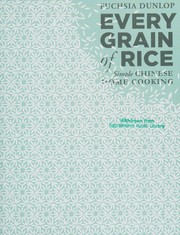
Dunlop's masterwork on Jiangnan cuisine is the best English-language guide to the red-braising (hong shao) and soy-master-stock techniques that traveled south into Taiwanese cooking; reading it here gives the intermediate cook the technical depth to execute lu wei dishes with confidence.
Hokkien & Fujian Roots: The Southern Chinese Inheritance
IntermediateTrace the Hokkien (Southern Fujianese) culinary DNA in Taiwanese cooking — oyster dishes, pork-centric braises, rice congee culture, and fermented condiments — understanding Taiwan as a living extension of Fujian foodways.
▸ Study plan for this stage
Pace: 4–5 weeks, ~25–30 pages/day. Start with "The Hakka Cookbook" (2 weeks), then move to "Shark's Fin and Sichuan Pepper" (2–3 weeks), allowing time for recipe testing and reflection between books.
- Hokkien/Fujian culinary foundations: how oyster dishes, pork braises, and fermented condiments form the backbone of Southern Chinese cooking and directly influenced Taiwanese cuisine
- The role of geography and migration: understanding how Fujian's coastal and agricultural landscape shaped ingredient choices (seafood, pork, preserved goods) that traveled to Taiwan
- Hakka cooking techniques and philosophy: slow braises, preserved vegetables, and resourceful use of offal as a parallel tradition that shares DNA with Hokkien methods
- Fermentation as preservation and flavor-building: deep dive into soy sauce, fish sauce, shrimp paste, and other condiments as both practical preservation methods and flavor foundations in Taiwanese cooking
- Rice congee (zhou/jook) culture: understanding congee as a foundational dish that bridges poverty, health, and sophistication across Fujian and Taiwan
- Pork as the primary protein: tracing how pork braises, offal dishes, and pork fat became central to Taiwanese home cooking through Hokkien inheritance
- Regional variation within Southern China: recognizing Hakka, Hokkien, and Cantonese distinctions while identifying their overlaps and shared culinary logic
- What are the key Hokkien/Fujian dishes mentioned in these books, and how do oyster, pork, and fermented condiment preparations reflect Fujian's geography and history?
- How do Hakka cooking techniques (particularly braises and preserved vegetables) overlap with or differ from Hokkien methods, and what does this reveal about Southern Chinese culinary DNA?
- Explain the role of fermentation in Fujian and Hakka cooking: what condiments are essential, how are they made, and why were they critical to survival and flavor in these regions?
- What is the cultural and practical significance of rice congee in Hokkien/Fujian foodways, and how does it appear in both everyday and ceremonial contexts?
- How does the emphasis on pork in Taiwanese cooking connect to Hokkien inheritance, and what specific cuts, preparations, and offal dishes are signature to this tradition?
- Based on these readings, what evidence supports the claim that Taiwan is 'a living extension of Fujian foodways'? Cite specific dishes, ingredients, or techniques.
- Cook 2–3 Hakka braised dishes from 'The Hakka Cookbook' (e.g., braised pork belly, braised chicken with preserved vegetables). Document the technique, flavor development, and how it compares to Hokkien braises you research separately.
- Prepare a fermented condiment from scratch (soy sauce, fish sauce, or shrimp paste simulation using available ingredients). Track the fermentation process over 1–2 weeks and taste at intervals to understand flavor transformation.
- Make a congee base and prepare 3 different congee variations (pork, seafood, vegetable) using recipes or techniques from the books. Serve to others and note how congee functions as both comfort food and a canvas for toppings.
- Create a comparative tasting: source oyster sauce, fish sauce, and soy sauce from different regions (if possible, Fujian/Taiwan vs. other origins). Taste blind and identify flavor differences; connect to the books' discussions of these condiments.
- Research and cook one signature Hokkien pork dish not explicitly in the books (e.g., pork knuckle braise, pork liver with ginger, pork blood cake soup). Write a 1-page analysis of how this dish embodies Hokkien culinary values discussed in the readings.
- Interview a Taiwanese or Fujian cook (in person or via video) about their family's use of pork, fermented condiments, and congee. Record 3–5 key insights and compare to the books' frameworks.
Next up: This stage establishes the Southern Chinese culinary foundation—Hokkien/Fujian techniques, ingredients, and philosophy—that will allow the next stage to explore how Taiwan synthesized these roots with Japanese colonial influence, indigenous ingredients, and modern Taiwanese identity to create a distinct national cuisine.

The Hakka people share deep historical and culinary overlap with Hokkien communities in Taiwan; this book illuminates the preserved, braised, and fermented traditions — salt-baked, wine-lees, and soy-heavy cooking — that shaped Taiwanese home cuisine at its core.
Dunlop's memoir of learning to eat and cook across China provides essential cultural and historical context for understanding how mainland regional cuisines — including Fujianese — were transplanted and transformed in Taiwan, deepening the reader's interpretive framework.
The Japanese Layer: Colonial Cuisine & Washoku Influence
ExpertUnderstand how fifty years of Japanese colonial rule (1895–1945) permanently shaped Taiwanese food culture — bento culture, izakaya-style small plates, miso use, sashimi-grade seafood, and the Japanese precision that runs through Taiwanese restaurant cooking.
▸ Study plan for this stage
Pace: 4–5 weeks, ~25–30 pages/day, with 2–3 days per week dedicated to cooking and tasting exercises
- Washoku principles: seasonality, simplicity, and precision as foundational to Japanese food philosophy and their adoption in Taiwanese colonial-era cooking
- Bento culture as a practical and aesthetic framework that shaped Taiwanese lunch and meal-prep traditions
- Miso, soy, and fermented ingredients as Japanese staples that became embedded in Taiwanese pantries and flavor profiles
- Sashimi-grade seafood standards and Japanese fish-handling techniques that elevated Taiwanese seafood preparation
- Izakaya-style small plates and communal eating as a Japanese dining format that influenced Taiwanese restaurant culture and home entertaining
- Japanese vegetable cultivation and preservation methods (pickling, drying, fermenting) adopted in Taiwan during the colonial period
- The role of Japanese precision, knife skills, and plating aesthetics in modernizing Taiwanese professional cooking
- Colonial-era food infrastructure: how Japanese agricultural imports, supply chains, and restaurant models physically transformed Taiwanese food systems
- How do the core principles of washoku—seasonality, simplicity, and visual harmony—manifest in both Japanese Farm Food and the vegetarian recipes, and which of these principles are most visible in modern Taiwanese restaurant cooking?
- What role did bento culture play in establishing meal-prep and portion-control standards in Taiwan, and how does this differ from pre-colonial Taiwanese eating practices?
- Which fermented ingredients and techniques from Japanese Farm Food (miso, koji, soy sauce fermentation) became permanent fixtures in Taiwanese home and professional kitchens?
- How did Japanese standards for seafood quality and handling, as described in Japanese Farm Food, influence Taiwanese approaches to sashimi, sushi, and raw fish preparation?
- What are the key differences between Japanese vegetarian cooking philosophy in Hachisu's second book and Taiwanese vegetable traditions, and how did the colonial period create a synthesis?
- How do izakaya-style small plates and communal dining formats appear in contemporary Taiwanese restaurants, and what evidence suggests this came from Japanese colonial influence rather than indigenous practice?
- Prepare a full bento box using recipes or techniques from Japanese Farm Food, paying attention to color balance, seasonality, and portion control; photograph and compare it to a traditional Taiwanese lunch box to identify Japanese vs. indigenous elements
- Make miso from scratch (or source quality miso) and use it in 3 different Taiwanese dishes (soup, marinade, dressing) to taste how this Japanese ingredient transformed Taiwanese flavor profiles
- Cook 2–3 vegetarian dishes from Japan, the Vegetarian Cookbook and research their Taiwanese equivalents; document how Japanese techniques (knife cuts, cooking methods, plating) differ from traditional Taiwanese versions
- Visit a Taiwanese restaurant known for Japanese-influenced cuisine and order 5–6 small plates in izakaya style; analyze the menu, plating, and service model against descriptions in Japanese Farm Food to identify colonial-era influences
- Practice Japanese knife skills (vegetable cuts: julienne, brunoise, bias cuts) using techniques implied in both books; apply these to Taiwanese vegetables and compare the aesthetic and textural results to traditional Taiwanese prep
- Create a tasting menu of 4 courses using sashimi-grade fish and Japanese-influenced Taiwanese seafood preparations; research the cold-chain and quality standards that came to Taiwan during the colonial period
Next up: This stage establishes the Japanese technical and philosophical foundations embedded in modern Taiwanese cuisine, preparing you to examine how post-1945 Taiwanese chefs synthesized these colonial legacies with Chinese regional cooking and indigenous ingredients to create a distinctly Taiwanese culinary identity.
Hachisu's immersive look at rural Japanese cooking — fermented miso, pickles, simmered dishes, and dashi — maps directly onto the Japanese techniques absorbed into Taiwanese cooking; reading it here lets the advanced cook identify exactly which elements are Japanese inheritance versus Hokkien origin.

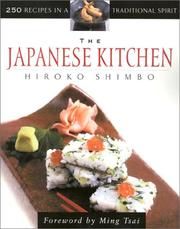
A comprehensive reference to the full washoku canon, this book closes the curriculum by giving the reader a fluent understanding of Japanese culinary logic — enabling them to see Taiwanese cuisine in full stereoscopic depth, as the remarkable Hokkien-Japanese-indigenous synthesis it truly is.
Discussion
Keep reading
Paths that share books, cover the same subject, or open a related topic.