Best Sri Lankan Cookbooks to Learn the Cuisine
This curriculum builds from the shared pantry and techniques of South Indian and Sri Lankan cooking upward to the full depth of Sri Lankan cuisine. Each stage layers new vocabulary — spices, coconut, curry powders, sambols, hoppers — so that by the time the learner reaches the specialist Sri Lankan titles, every recipe feels intuitive rather than foreign.
Foundations: The Coconut & Curry Pantry
BeginnerUnderstand the core pantry shared across South Indian and Sri Lankan cooking — coconut in all its forms, dried spices, curry leaves, tamarind, lentils — and build confidence with rice, simple curries, and dal before tackling roasted curry powders or sambols.
▸ Study plan for this stage
Pace: 8–10 weeks total. Week 1–3: Read the Sri Lankan and South Indian chapters of "The Complete Asian Cookbook" by Charmaine Solomon (~20–25 pages/day), cooking at least one recipe per week. Week 4–6: Read "Curry" by Lizzie Collingham cover to cover as a narrative history (~15–20 pages/day), pausing to t
- Coconut in all its forms — fresh grated, desiccated, coconut milk, coconut cream, and coconut oil — and how Solomon's recipes distinguish between them in texture and richness
- The foundational dried spice vocabulary: coriander, cumin, turmeric, fenugreek, mustard seed, cardamom, cloves, and cinnamon, as introduced through Solomon's spice blends and Collingham's historical context for each
- Curry leaves as a fresh aromatic (not a dried herb) — their role in tempering (tarka) and why Solomon treats them as a non-negotiable base note in Sri Lankan and South Indian dishes
- Tamarind — block vs. concentrate, how to prepare tamarind water, and its role as a souring agent distinct from citrus, illustrated in Solomon's chutneys and curries
- Lentils and dal logic: the difference between red lentils (masoor), chana dal, and toor dal, their cooking behavior, and how Ottolenghi's legume dishes in Plenty More reinforce seasoning and texture principles
- Rice as a staple: long-grain vs. short-grain, absorption vs. boiling methods, and Solomon's guidance on achieving the correct texture for Sri Lankan-style meals
- The historical and trade roots of the curry pantry — how Collingham's narrative in Curry explains why South Indian and Sri Lankan spice profiles share so much DNA with each other and with colonial-era British cooking
- Flavor-building logic: the sequence of blooming whole spices in oil, adding aromatics, then wet ingredients — a technique pattern visible across all three books
- After reading Solomon, can you name at least five pantry staples that appear in nearly every Sri Lankan curry recipe, and explain what role each plays in the dish?
- How does Collingham's 'Curry' explain the historical reasons that Sri Lankan and South Indian cooking share so many spices, and which trade routes or colonial forces does she identify as most influential?
- What is the difference between tempering spices at the start of a dish versus finishing a dish with a tarka, and which technique does Solomon use most frequently in her Sri Lankan recipes?
- How do Ottolenghi's legume and vegetable recipes in 'Plenty More' reinforce or challenge the spice combinations you first encountered in Solomon — what overlaps and what surprises you?
- In your own words, how would you prepare tamarind for use in a curry, and what does it contribute that lemon juice cannot replicate?
- What does Solomon identify as the key differences between a Sri Lankan curry and a generic 'Indian' curry in terms of ingredients and technique?
- Build your physical pantry: using Solomon's ingredient introductions as a shopping checklist, source and label every core item — whole spices, curry leaves (fresh or frozen), tamarind block, coconut milk, red lentils, and basmati rice — before cooking a single recipe
- Cook Solomon's basic Sri Lankan dal and a simple coconut milk curry back-to-back in the same session, then write a one-paragraph comparison of how coconut milk changes the flavor profile versus a tamarind-based dish
- Spice journal: after reading Collingham's chapters on individual spices in 'Curry', toast and smell each whole spice separately, then write two or three tasting notes per spice — connect at least one note to something Collingham says about its historical use or trade value
- Technique drill — tempering: heat oil, add mustard seeds until they pop, then add curry leaves and dried chili; repeat this tarka three times on three different days to build muscle memory, varying the oil (coconut vs. neutral) and noting the difference
- Cook two legume dishes from Ottolenghi's 'Plenty More' that use spices from your Solomon pantry list; annotate the recipes with sticky notes marking where Ottolenghi's technique matches or diverges from Solomon's approach
- Pantry map: draw or diagram a simple visual 'flavor wheel' placing coconut, tamarind, curry leaves, and your key spices in relation to each other — annotate with the dishes from all three books where each ingredient plays a starring role, to create a personal reference sheet for the next stage
Next up: By the end of this stage the reader has a stocked pantry, an understanding of spice history from Collingham, and hands-on confidence with rice, dal, and coconut curries from Solomon and Ottolenghi — the perfect foundation for tackling the more complex, Sri Lanka-specific techniques of roasted curry powders, sambols, and the deeper regional distinctions that the next stage will introduce.
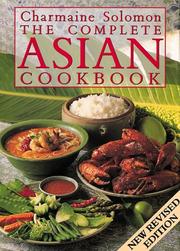
A canonical, widely-trusted reference that covers Sri Lankan, South Indian, and Southeast Asian cooking side by side, giving the beginner a map of how these cuisines relate and share ingredients before diving into any single one.
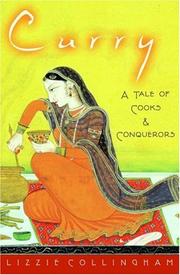
Readable culinary history that explains how Sri Lankan and South Indian curry traditions diverged and why roasted curry powder, coconut milk, and Malabar spices are so central — essential context before cooking a single recipe.

Builds confident, intuitive technique with spices, lentils, and vegetable-forward dishes that share DNA with Sri Lankan cooking, making the learner comfortable with layering flavour before moving to more specific traditions.
South Indian Roots: Rice, Coconut & Spice
BeginnerMaster the South Indian techniques — tempering, grinding fresh coconut chutneys, making dosas and idlis, building a curry from scratch — that directly underpin Sri Lankan cooking and make the island's cuisine immediately legible.
▸ Study plan for this stage
Pace: 3–4 weeks, ~20–25 pages/day; read each chapter introduction carefully before diving into recipes, and treat at least one recipe per chapter as a hands-on cooking session rather than passive reading
- Tempering (tadka/thalippu): the foundational technique of blooming mustard seeds, curry leaves, dried red chillies, and aromatics in hot oil or ghee to build a flavour base — the single most-used technique in both South Indian and Sri Lankan cooking
- The holy trinity of South Indian pantry staples — curry leaves, mustard seeds, and dried red chillies — and how their proportions and order of addition shape the final dish
- Fresh coconut as a structural ingredient: grating, grinding, and using coconut in chutneys, gravies, and rice dishes, distinguishing wet coconut paste from dry coconut garnish
- Rice as a culinary canvas: understanding raw rice vs. parboiled rice, rice flour, and the role of rice in both everyday meals and fermented batters
- Fermentation fundamentals: soaking, grinding, and fermenting urad dal and rice batter to achieve the correct texture and sourness for idlis and dosas
- Building a South Indian curry from scratch: layering aromatics, spice pastes, tamarind, and coconut milk in sequence to develop depth without burning or bitterness
- Wet and dry spice grinding: using a stone grinder or blender to make fresh masala pastes versus dry-roasting and powdering spices, and why freshness matters
- Tamarind as a souring agent: extracting pulp, calibrating acidity, and balancing it against sweetness and heat in sambar, rasam, and chutneys
- What is the correct sequence for tempering whole spices in hot oil, and what visual and auditory cues tell you each spice is ready before adding the next?
- How does Padmanabhan distinguish between the role of fresh grated coconut and coconut milk in different recipes in Dakshin, and what does each contribute texturally and flavour-wise?
- What are the key ratios and resting conditions for a successful idli/dosa batter according to Dakshin, and what signs indicate the batter has fermented correctly?
- How is tamarind used as a souring agent across different dish types in Dakshin (sambar, rasam, rice dishes), and how is its intensity adjusted for each?
- Trace the construction of one complete curry from Dakshin: what are the distinct stages, and what would go wrong if any stage were skipped or reordered?
- Which spices and techniques introduced in Dakshin appear almost unchanged in Sri Lankan cooking, and which are used differently on the island?
- Tempering drill: Make a plain bowl of cooked rice and practice tempering three times in one session — once with mustard seeds and curry leaves only, once adding dried red chillies, once adding onion and garlic after the seeds pop. Taste each version side by side and write tasting notes on how each addition changes the flavour profile.
- Coconut grinding progression: Source a fresh coconut, grate it, and make three preparations from Dakshin in one day — a dry coconut chutney, a wet coconut chutney, and a coconut-based curry gravy. Note the different textures and how the grinding time and added water affect the result.
- Idli & dosa batter project (3-day exercise): Soak and grind the batter on Day 1 following Dakshin's instructions exactly, ferment overnight, make idlis on Day 2, then use the same batter (now more sour) to make dosas on Day 3. Journal the batter's smell, texture, and bubble structure at each stage.
- Sambar from scratch: Cook Padmanabhan's sambar recipe without any store-bought sambar powder — dry-roast and grind your own spice blend as directed in Dakshin. Compare the aroma of your freshly ground powder to a commercial version and note the differences.
- Tamarind calibration exercise: Make a simple rasam from Dakshin using three different quantities of tamarind extract (half the stated amount, the stated amount, and double). Taste each and write a short paragraph on how acidity interacts with the heat and salt levels.
- Annotated recipe map: After finishing Dakshin, go back through the book and mark every recipe that uses a technique or ingredient you can directly imagine in a Sri Lankan context (e.g., coconut milk curries, tempered lentils, string hoppers' rice-flour logic). Write one sentence next to each explaining the likely Sri Lankan connection — this becomes your personal bridge document for the next stage
Next up: Mastering Dakshin's core techniques — tempering, coconut grinding, fermented batters, and tamarind-balanced curries — gives you the technical grammar of the South Indian kitchen, so that when you encounter Sri Lankan recipes in the next stage you will immediately recognise these same structures operating under different names, with the addition of distinctly Sri Lankan ingredients like Maldive fis
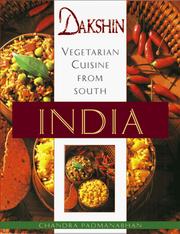
The definitive home-cook guide to South Indian vegetarian cooking; its chapters on coconut-based gravies, rice dishes, and spice blends are the closest mainland parallel to Sri Lankan everyday cooking and build essential muscle memory.
Into Sri Lanka: The Island Kitchen
IntermediateCook confidently from the full Sri Lankan pantry — roasted curry powder, Maldive fish, goraka, pandan, fresh and dried coconut — and understand how sambols, mallungs, and curries are built and balanced together as a rice-and-curry spread.
▸ Study plan for this stage
Pace: 8–10 weeks total: Weeks 1–5 on "Serendip" by Peter Kuruvita (~20–25 pages/day, reading recipes alongside narrative chapters), then Weeks 6–10 on "Sri Lanka" by Prakash K. Sivanathan (~20 pages/day, cooking at least one recipe per chapter before moving on). Reserve the final week for a full rice-and-
- The Sri Lankan pantry backbone: roasted curry powder (distinguishing raw vs. roasted applications), Maldive fish as umami anchor, goraka as souring agent, pandan as aromatic base, and the roles of fresh vs. dried/desiccated coconut across dish types — as introduced and contextualized in Kuruvita's S
- Tempering (tarka) as a foundational technique: the sequence of mustard seeds, curry leaves, dried chillies, and onion in hot oil that opens almost every Sri Lankan dish in both books.
- The architecture of a rice-and-curry spread: how a central starch (red or white rice, string hoppers) is surrounded by a wet curry, a dry curry or mallun, a sambol, and a pickle/chutney — a structure Kuruvita frames through his personal and regional storytelling in Serendip.
- Sambols as flavour punctuation: the role of pol sambol (fresh coconut), seeni sambol (caramelised onion), and katta sambol (raw chilli) in providing heat, fat, acid, and sweetness to balance a plate — demonstrated in both books.
- Mallungs as the dry-wilted vegetable technique: shredded greens (gotu kola, mukunuwenna, cabbage) tossed with scraped coconut, turmeric, and Maldive fish to create a textural and nutritional counterpoint to wet curries, featured prominently in Sivanathan's Sri Lanka.
- Coconut milk in three forms — thin (first extraction diluted), thick (first extraction), and scraped fresh — and how each is deployed at different stages of a curry for body, richness, and finish, as shown in Kuruvita's Serendip recipes.
- Regional and communal flavour identities: Kuruvita's Serendip traces Sinhalese, Tamil, Burgher, and Muslim culinary threads, giving the reader a framework for understanding why the same ingredient (e.g., goraka vs. tamarind) signals a different community or coastline.
- Balancing the five tastes in a complete meal: how heat (chilli), sour (goraka/tamarind/lime), salt (Maldive fish/salt), sweet (coconut/jaggery), and bitter (fenugreek/greens) are distributed across dishes rather than concentrated in one — a principle woven through both Serendip and Sri Lanka.
- After reading Serendip, can you explain the difference between raw curry powder and roasted curry powder — what spices are added at the roasting stage, and which dish types in the book call for each?
- How does Kuruvita use goraka in Serendip versus how tamarind appears in Sivanathan's Sri Lanka — what does the choice of souring agent tell you about the dish's regional or communal origin?
- Describe the structural logic of a rice-and-curry spread as both books present it: what is the minimum number of components, and what textural/flavour role does each component play?
- What is the function of Maldive fish in a mallun or sambol — is it primarily salt, umami, texture, or all three — and how do the recipes in Sri Lanka by Sivanathan use it differently from the way Kuruvita deploys it in Serendip?
- How do the three coconut milk extractions work in a long-cooked curry, and at what point in the cooking process does each enter the pot — can you cite a specific curry from either book to illustrate your answer?
- What distinguishes a pol sambol from a seeni sambol in terms of technique, timing, and role on the plate, based on the recipes in both books?
- Pantry audit and build: Use the introductory pantry sections of both Serendip and Sri Lanka to source and label every key ingredient — roasted and raw curry powder (make your own from Kuruvita's master recipe in Serendip), Maldive fish, goraka, pandan leaves, and both fresh and desiccated coconut. Taste each ingredient raw so you can identify it by smell and flavour.
- Coconut milk extraction drill: Following Kuruvita's guidance in Serendip, make coconut milk from a fresh coconut twice — once extracting thin and thick milk in sequence, and once using desiccated coconut as a substitute. Cook the same simple vegetable curry both ways and compare body, sweetness, and finish.
- Sambol trio cook-off: In a single session, prepare pol sambol, seeni sambol, and katta sambol using recipes from both books (use Kuruvita's pol sambol from Serendip and Sivanathan's seeni sambol from Sri Lanka). Serve them together with plain rice and evaluate how each shifts the flavour of the same mouthful.
- Mallun technique session: Choose two mallun recipes from Sivanathan's Sri Lanka (e.g., a gotu kola mallun and a cabbage mallun), cook them back to back, and focus on the shred size, the moment the coconut goes in, and the role of Maldive fish. Write a one-paragraph note on how the technique differs from a Western stir-fry.
- Full rice-and-curry spread: In the final week, plan and cook a complete spread using one recipe from Serendip and one from Sri Lanka for each component category — a wet curry, a dry curry or mallun, a sambol, and a pickle. Plate it as a rice-and-curry meal and assess whether the five tastes (heat, sour, salt, sweet, bitter) are balanced across the table.
- Flavour-mapping journal: After cooking at least six recipes across both books, draw a simple table mapping each dish to its dominant souring agent, its coconut form, its heat level, and its community/regional identity as described by Kuruvita in Serendip. Use this map to articulate in writing what makes a dish identifiably Sri Lankan versus generically South Asian.
Next up: Mastering the pantry logic, tempering technique, and spread-building principles in Serendip and Sri Lanka gives the reader the flavour vocabulary and structural confidence needed to tackle more specialised or regional Sri Lankan cooking — such as street food, festive rice preparations, or the distinct cuisines of the Tamil north and the Muslim coast — without being overwhelmed by unfamiliar ingred

The ideal entry point into dedicated Sri Lankan cookbooks: Kuruvita's approachable, story-driven style introduces roasted curry powder, coconut milk curries, and sambols with clear technique notes that reward the groundwork laid in earlier stages.

Broader in regional scope than Serendip, covering both Sinhalese and Tamil traditions; read second so the learner can compare approaches to the same dishes — devilled prawns, dhal curry, pol sambol — and deepen understanding of regional variation.
Street Food, Hoppers & the Full Spread
IntermediateMaster the street-food and breakfast canon — hoppers, string hoppers, kottu roti, lamprais — and understand how these dishes fit into the wider Sri Lankan eating day, completing a rounded, practical repertoire.
▸ Study plan for this stage
Pace: 3–4 weeks, roughly 20–25 pages per day; cook alongside the reading by dedicating at least 2 weekend sessions per week to hands-on recipe work from Hoppers: The Cookbook
- The hopper (appa) as a cultural icon — understanding the fermented rice-and-coconut batter, the chemistry of fermentation, and why the wok-shaped chatty pan produces the signature crisp-lacy edge with a soft, custardy centre
- String hoppers (idiyappam) and their role as a breakfast and dinner staple — the pressed-noodle technique, the right rice-flour consistency, and classic accompaniments such as pol sambol and kiri hodi
- Kottu roti — the street-food assembly logic of shredded godamba roti stir-fried with vegetables, egg, and curry; understanding how leftover curry becomes the flavour base and why the rhythmic blade-chopping technique matters
- Lamprais — the Dutch Burgher legacy dish of rice, multiple curries, frikkadels, and blachan sealed and steamed in banana leaf; reading it as a lesson in Sri Lanka's colonial culinary history
- The Sri Lankan eating day — how street food, short eats (isso vadai, cutlets, rolls), and breakfast dishes map onto morning, midday, and evening eating rhythms
- Pol sambol, seeni sambol, and lunu miris as the essential condiment trio that anchors nearly every street-food and breakfast plate
- Coconut in multiple forms — fresh scraped, coconut milk (first and second extractions), desiccated — and how Gokani distinguishes their uses across recipes in the book
- The restaurant-to-home translation lens Gokani applies throughout Hoppers: The Cookbook, and what it reveals about scaling, sourcing substitutes, and adapting technique for a non-Sri Lankan kitchen
- According to Hoppers: The Cookbook, what are the critical variables in fermenting hopper batter — time, temperature, and the role of toddy or yeast — and how do you judge when the batter is ready to cook?
- How does Gokani describe the structural and flavour differences between a plain hopper, an egg hopper, and a milk hopper, and what adjustments to batter or cooking method does each require?
- What does lamprais reveal about Sri Lanka's Dutch Burgher heritage, and which specific components (as presented in the book) are considered non-negotiable to an authentic parcel?
- How do the condiments pol sambol, seeni sambol, and lunu miris differ in heat level, texture, and the occasions on which they are served alongside street food and breakfast dishes?
- In Gokani's treatment of kottu roti, what is the role of the base curry gravy, and how does he suggest home cooks replicate the high-heat 'tawa effect' without professional equipment?
- How does Hoppers: The Cookbook situate these street-food and breakfast dishes within the broader arc of a Sri Lankan eating day, and what does that context add to a cook's understanding of portion size and accompaniment choices?
- Fermentation journal: Make hopper batter on two separate occasions — once with the minimum recommended fermentation time and once with the maximum — and document the differences in bubble activity, aroma, batter consistency, and final texture of the cooked hopper. Write a half-page comparison.
- Pan mastery drill: Cook a batch of at least 8 hoppers in a single session, deliberately varying the heat and batter quantity each time. Photograph each hopper and annotate what went right or wrong, referencing Gokani's technique notes.
- String hopper press session: Make idiyappam from scratch, including milling or sourcing the correct rice flour, and serve them with both kiri hodi and pol sambol as directed in the book. Evaluate whether the noodle texture matches the description in the recipe headnotes.
- Kottu roti assembly challenge: Prepare godamba roti (or source it), cook a chicken or vegetable curry the day before to use as the flavour base, then execute a full kottu on a flat griddle or heavy cast-iron pan. Time the cook and reflect on how the chopping rhythm affects the final texture.
- Lamprais project: Treat this as a two-day cooking project — day one for preparing all the components (rice, two curries, frikkadels, blachan, ash plantain), day two for assembling, wrapping in banana leaf, and steaming or baking. Taste and note which element most strongly carries the dish.
- Condiment tasting flight: Make pol sambol, seeni sambol, and lunu miris in the same session, then taste each with plain rice, with a hopper, and with kottu roti. Write tasting notes on how each condiment changes character depending on what it accompanies, using Gokani's flavour descriptions as a benchmark.
Next up: Mastering the street-food and breakfast canon through Hoppers: The Cookbook gives the reader a confident, practical command of Sri Lanka's most iconic everyday dishes, creating the perfect launchpad for exploring the deeper regional, ceremonial, and home-cooking traditions that a more advanced stage of the curriculum would address.

The most focused and technically detailed treatment of hoppers, string hoppers, and the full Sri Lankan street-food table; placed here so the learner arrives with batter confidence (from The Dosa Kitchen) and curry fluency (from Serendip and Sivanathan).
Advanced Depth: Spice Mastery & Regional Nuance
ExpertDevelop a professional-level understanding of spice blending, regional curry traditions, and the science behind fermentation and coconut cookery, enabling the learner to improvise, adapt, and create within the Sri Lankan tradition rather than just follow recipes.
▸ Study plan for this stage
Pace: 8–10 weeks total: Weeks 1–4 on "The Flavor Bible" (~20–25 pages/day, focusing on the A–Z ingredient entries most relevant to Sri Lankan pantry staples — cinnamon, cardamom, curry leaf, coconut, tamarind, fenugreek, mustard seed, pandan, lemongrass, chili, etc.); Weeks 5–10 on "On Food and Cooking" (
- Flavor affinity mapping: using The Flavor Bible's pairing logic to understand WHY classic Sri Lankan spice combinations (e.g., cinnamon + clove + cardamom in black curry) work, and how to extend or substitute them confidently
- Flavor bridging: identifying a 'bridge' ingredient that connects two otherwise incompatible elements — a technique directly applicable to improvising Sri Lankan fusion dishes or fixing imbalanced curries
- The science of spice volatility: McGee's explanation of how heat, fat, and water affect the release and degradation of aromatic compounds, underpinning decisions like tempering mustard seeds in coconut oil vs. adding curry leaves late
- Maillard reaction and caramelization in Sri Lankan cookery: how dry-roasting spices for 'black curry' powder or caramelizing onions for a base changes flavor chemistry at the molecular level
- Fermentation science: McGee's treatment of lactic acid fermentation and yeast activity as the foundation for understanding Sri Lankan fermented staples like hoppers (appam) batter, coconut toddy, and achcharu (pickle)
- Coconut chemistry: the behavior of coconut milk's fat emulsion under heat — why it 'breaks,' how to control it, and how this shapes the texture of Sri Lankan gravies and mallungs
- Regional nuance through ingredient logic: cross-referencing The Flavor Bible's affinity entries with McGee's ingredient science to decode why coastal Sri Lankan cooking leans on Maldive fish + tamarind + coconut while Kandyan cuisine favors dry spice + goraka
- Improvisation framework: synthesizing both books into a personal decision-making process — balancing volatile top notes (curry leaf, pandan), mid-range aromatics (coriander, cumin), and deep base notes (goraka, Maldive fish, roasted coconut) when building a dish from scratch
- Using The Flavor Bible's affinity logic, which three unexpected ingredients pair well with tamarind, and how could each be incorporated into a Sri Lankan sour curry or achcharu without breaking tradition?
- McGee explains that fat-soluble aromatic compounds behave differently from water-soluble ones under heat — how does this explain the Sri Lankan technique of blooming whole spices in coconut oil before adding wet ingredients?
- What is the chemical basis, per McGee, for the textural difference between a Sri Lankan coconut milk curry simmered gently versus one brought to a rolling boil, and how should a cook adjust technique accordingly?
- How does the fermentation science in 'On Food and Cooking' explain the sourness, lacy texture, and slight alcoholic note of a well-made hopper batter, and what variables can a cook control to tune each quality?
- Drawing on both books, construct a rationale for why Sri Lankan 'black curry' powder (dry-roasted spices) produces a fundamentally different flavor profile than raw curry powder — referencing at least two specific chemical reactions McGee describes.
- Using The Flavor Bible as a creative tool, propose a regionally coherent Sri Lankan dish that incorporates one non-traditional ingredient, justifying every spice and pairing choice with affinity data from the book.
- Sri Lankan Pantry Affinity Audit: Go through The Flavor Bible and build a personal reference card for 15–20 core Sri Lankan ingredients (curry leaf, pandan, Maldive fish, goraka, fenugreek, etc.), listing their top 10 flavor affinities. Highlight overlaps to identify your own 'flavor clusters' that explain traditional spice blends.
- Blind Spice Volatility Test: Prepare the same simple coconut milk broth three ways — (1) whole spices added to cold oil then heated, (2) whole spices added to already-hot oil, (3) ground spices stirred in off-heat. Taste and document differences, then reconcile your observations with McGee's chapter on spice chemistry.
- Black vs. Raw Curry Powder Side-by-Side: Grind and cook two identical chicken curries, one with raw curry powder and one with home-dry-roasted black curry powder. Write a one-page flavor analysis using McGee's Maillard and pyrolysis concepts as your explanatory framework.
- Fermentation Journal — Hopper Batter Experiment: Make three hopper batters with different fermentation times (4 hrs, 12 hrs, 24 hrs) using the same base recipe. Log aroma, bubble activity, sourness, and final texture after cooking. Annotate the journal with relevant passages from McGee's fermentation chapter.
- Coconut Milk Stability Lab: Cook a Sri Lankan white curry (e.g., white fish or jackfruit) and deliberately push one portion to a boil while holding the other at a gentle simmer. Photograph, taste, and write a technical note on emulsion behavior, citing McGee's section on fats and emulsions.
- Regional Improvisation Challenge: Without following a recipe, design and cook one dish from each of three Sri Lankan regions (coastal, Kandyan hill country, Jaffna Tamil) using only The Flavor Bible's affinity pairings as your guide. Document your decision-making process and evaluate the results against authentic reference points.
Next up: ">Mastering the 'why' behind Sri Lankan spice science and flavor logic in this stage equips the learner to engage critically with advanced culinary literature, historical food texts, or professional recipe development — whatever the next stage demands — because they can now evaluate any new technique or tradition through a rigorous sensory and scientific lens rather than rote imitation.
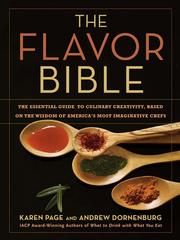
At this stage the learner needs to move beyond recipes; this reference maps flavour affinities for every spice in the Sri Lankan pantry — cinnamon, cardamom, Maldive fish, goraka — enabling confident improvisation and original recipe development.
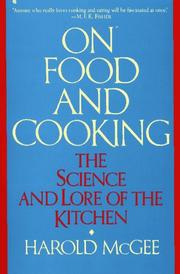
Provides the food-science foundation for everything encountered in the curriculum — why roasting changes curry powder, how coconut milk emulsifies, what fermentation does to hopper batter — turning intuition into deep, transferable understanding.
Discussion
Keep reading
Paths that share books, cover the same subject, or open a related topic.