Sri Lankan cooking gets mistaken for a regional variant of South Indian food, and the mistake will cost you. The two share a great deal — coconut, curry leaves, rice, a tempering step — but Sri Lanka does something different with roasted spice. Its curry powder is toasted dark, almost to coffee, and that one technique changes the colour and depth of half the island's dishes. Learn it early and everything else falls into place.
The other thing worth knowing before you start is that a Sri Lankan meal is a spread, not a dish. Rice sits in the middle; around it go three or four curries at different heat levels, a sambol for sharpness, something crisp, something cooling. Cook one curry in isolation and it can feel unbalanced. That is not the recipe failing — it is a component missing its context.
Build the pantry and the flavour grammar
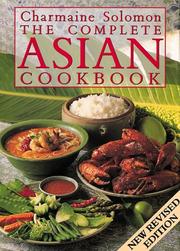
Start wide. The complete Asian cookbook by Charmaine Solomon is the classic single-volume reference across the region, and its Sri Lankan chapter is unusually reliable — Solomon was born in Colombo. It gives you the pantry and the vocabulary before you commit to a whole book on one island.
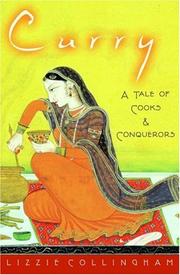
Then read, rather than cook, Curry by Lizzie Collingham. It is a history, not a recipe collection, and it explains how the spice trade, Portuguese and Dutch occupation and Tamil and Sinhalese traditions all pushed the island's food into its present shape. Knowing why a dish exists makes it much easier to cook it with judgement rather than by rote. Plenty More by Yotam Ottolenghi is the outlier here and worth being honest about: it is not a Sri Lankan book at all. It earns its place as a vegetable-technique reference, since a Sri Lankan spread is mostly vegetables and most Western cooks under-season them.
The South Indian roots
Dakshin by Chandra Padmanabhan covers South Indian vegetarian cooking, and the overlap with Sri Lanka is substantial — coconut, tamarind, mustard seed, curry leaf, the tempering technique. Working through it teaches you the shared foundation, so that when you reach the island's own books you can feel exactly where Sri Lanka diverges. Skip this stage if you already cook South Indian food regularly.
Into the island kitchen
Now the core. Serendip by Peter Kuruvita is the personal one — a chef's return to his family's food, strong on technique and on why things are done a particular way. Sri Lanka by Prakash K. Sivanathan is the more systematic survey, better for working through the repertoire dish by dish. Between them you have the roasted curry powder, the coconut milk gravies, the sambols and the everyday rice-and-curry rhythm.
Hoppers : The Cookbook by Karan Gokani takes you into street food and the restaurant register: hoppers themselves, kottu, short eats, the things people actually queue for. It is also the most approachable book on this list, so if you want to cook something impressive this weekend rather than study, start here and come back.
Depth, once the basics hold
Two general books close the path. The flavor bible by Karen Page is a pairing reference for when you start improvising sambols and vegetable curries rather than following recipes. On food and cooking by Harold McGee explains the science underneath — why coconut milk splits, what toasting does to spice, how tamarind's acidity behaves — which is what turns a repeatable cook into an adaptable one.
Follow the full path to see each book placed in its stage with a study plan.
Follow the full reading path →