Spanish and tapas cooking: essential books for small plates
This curriculum takes a complete beginner from understanding Spanish pantry staples and culinary culture all the way to confidently cooking authentic tapas, paella, and regional Spanish dishes. Each stage builds on the last — first establishing flavor intuition and essential techniques, then diving into the iconic dishes, and finally exploring the regional depth and traditions that make Spanish cooking so distinctive.
The Spanish Pantry & Kitchen Culture
BeginnerUnderstand the essential ingredients, flavors, and cultural context of Spanish cooking — olive oil, smoked paprika, saffron, jamón, and more — so every recipe that follows makes intuitive sense.
▸ Study plan for this stage
Pace: 4–5 weeks, ~25–30 pages/day. Start with Claudia Roden's "The Food of Spain" (weeks 1–2.5), then move to María José Sevilla's "Delicioso" (weeks 2.5–5) to deepen ingredient knowledge and cooking techniques.
- Spain's regional diversity and how geography shapes local ingredients and dishes (Roden's framework for understanding Spanish food culture)
- The holy trinity of Spanish cooking: olive oil, smoked paprika (pimentón), and saffron—their origins, quality grades, and flavor profiles
- Jamón and cured meats as cultural touchstones and foundational ingredients in Spanish cooking
- The role of tomatoes, garlic, onions, and peppers as flavor bases in Spanish cuisine (sofrito and its variations)
- How Spanish pantry staples (rice, beans, dried peppers, sherry vinegar) reflect history and enable iconic dishes
- The cultural significance of meals, seasonality, and ingredient sourcing in Spanish food traditions
- Practical techniques from Sevilla: how to select, store, and use Spanish ingredients authentically in your own kitchen
- What are the three most essential Spanish pantry staples, and why does each matter for building authentic Spanish flavors?
- How do Spain's regional differences (Andalusia, Catalonia, Basque Country, etc.) influence which ingredients and cooking methods are prioritized in different areas?
- What is the difference between sweet paprika and smoked paprika (pimentón), and when would you use each in Spanish cooking?
- Why is jamón considered more than just an ingredient in Spanish culture, and how is it used in cooking beyond eating it alone?
- What is sofrito, what are its regional variations, and why is it the foundation of so many Spanish dishes?
- How do you select, store, and know when Spanish olive oil, saffron, or jamón are of good quality?
- Create a Spanish pantry inventory: source and purchase 8–10 essential Spanish ingredients (extra virgin olive oil, smoked paprika, saffron threads, jamón, sherry vinegar, Spanish rice, dried peppers). Document where you bought each and note the quality/price point.
- Taste test and compare: blind-taste 2–3 different Spanish olive oils (varying regions and price points) and 2–3 paprikas (sweet vs. smoked). Write tasting notes on color, aroma, flavor, and heat.
- Cook three foundational sofrito-based dishes from the books (e.g., a simple tomato sofrito, a Basque pepper sofrito, a Catalan romesco base) and document how the flavor profiles differ.
- Visit a Spanish or Mediterranean market or specialty grocer and interview the owner/staff about their best-selling Spanish ingredients, regional recommendations, and how to identify quality products.
- Read Roden's regional sections and create a one-page 'flavor profile' for three Spanish regions (e.g., Andalusia, Catalonia, Basque Country), listing signature ingredients and one iconic dish from each.
- Prepare a simple jamón tasting: source a small amount of quality jamón ibérico or serrano, taste it plain, then use it in a traditional Spanish dish (e.g., jamón-wrapped dates, jamón in a bean stew) to understand its versatility.
Next up: With a stocked Spanish pantry and deep familiarity with core ingredients and their cultural roots, you'll be ready to move into the next stage—learning to execute classic Spanish recipes with confidence, understanding not just the 'how' but the 'why' behind each technique and ingredient choice.
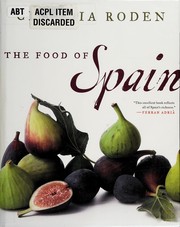
A sweeping yet accessible introduction to Spanish culinary culture, regions, and core ingredients. Reading this first gives the beginner a mental map of Spain's kitchens before touching a pan.

Explores the historical and cultural roots of Spanish ingredients and dishes, building the 'why' behind the flavors so that later recipes feel grounded in tradition rather than arbitrary.
First Steps: Simple Tapas & Small Plates
BeginnerCook a confident repertoire of classic, approachable tapas — patatas bravas, gambas al ajillo, croquetas, pan con tomate — mastering the small-plate format and core Spanish techniques.
▸ Study plan for this stage
Pace: 4–5 weeks, ~20–25 pages/day, with 2–3 cooking sessions per week
- The history, culture, and regional diversity of Spanish tapas as a social dining tradition
- Core Spanish cooking techniques: sofrito, frying in olive oil, emulsification, and layering flavors
- How to select, prepare, and cook potatoes, shrimp, and other foundational tapas ingredients
- The structure and composition of classic small plates—balance of texture, temperature, and flavor
- Mastering signature dishes: patatas bravas, gambas al ajillo, croquetas, and pan con tomate
- The role of quality olive oil, garlic, and Spanish spices in authentic tapas flavor
- Timing and plating strategies for serving multiple small dishes cohesively
- What are the key regional variations in Spanish tapas, and how do the recipes in Casas and Andres reflect these differences?
- Explain the technique of sofrito and why it is foundational to Spanish cooking. How do you execute it without burning the garlic?
- What makes patatas bravas and gambas al ajillo distinctly Spanish? What are the critical steps that cannot be skipped?
- How do croquetas differ from other fried appetizers, and what are the key steps in making a proper béchamel and breading?
- Why is pan con tomate considered a tapas essential, and what does it teach you about simplicity and ingredient quality?
- How would you plan and execute a tapas meal for 4–6 people, managing timing and temperature across multiple small plates?
- Cook patatas bravas twice—once following Casas's method, once following Andres's—and compare the flavor profiles and techniques
- Prepare gambas al ajillo at least three times, focusing on controlling heat, timing the garlic infusion, and achieving the right emulsion
- Make croquetas from scratch: prepare béchamel, chill, bread, and fry; document what goes wrong and why, then refine
- Prepare pan con tomate using tomatoes at different ripeness levels and olive oils of different qualities; taste and reflect on how each variable changes the dish
- Cook a complete tapas spread for 4–6 people featuring at least 4 dishes from the books; time yourself and refine your workflow
- Read and annotate the introductory sections of both Casas and Andres on Spanish food culture, regional traditions, and ingredient sourcing; write a one-page reflection on what you learned
Next up: This stage builds your confidence with the most iconic, achievable Spanish small plates and teaches you the core techniques (sofrito, frying, emulsification) that will allow you to tackle more complex regional dishes, wine pairings, and larger entertaining menus in the next stage.
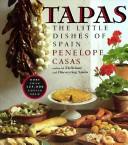
The definitive English-language tapas bible, organized clearly for beginners. Casas covers the full spectrum of small plates with straightforward recipes that teach essential Spanish flavor combinations.

A warm, encouraging cookbook from one of Spain's most beloved ambassadors, with accessible recipes for everyday tapas and small dishes that reinforce the techniques introduced by Casas.
Mastering the Icons: Paella, Tortilla & Rice Dishes
BeginnerUnderstand and execute Spain's most iconic dishes — the Spanish tortilla, paella Valenciana, and other rice and egg preparations — with confidence in technique and ingredient selection.
▸ Study plan for this stage
Pace: 4–5 weeks, ~40–50 pages/day, with 2–3 cooking sessions per week
- The role of saffron, stock quality, and heat control in authentic paella Valenciana
- Mastering the Spanish tortilla: egg-to-potato ratios, pan temperature, and the flip technique
- Understanding bomba and other short-grain Spanish rice varieties and their absorption properties
- Building flavor foundations: sofrito, paprika, and the holy trinity of Spanish aromatics (onion, garlic, tomato)
- The difference between paella as a cooking method versus a finished dish across regional variations
- Proper pan selection and seasoning for both paella pans and tortilla skillets
- Ingredient sourcing and substitution strategies for authentic Spanish components
- What are the key differences between paella Valenciana and other paella variations, and why does Casas emphasize specific techniques for each?
- How do you execute a Spanish tortilla flip successfully, and what role does pan temperature and oil play in the outcome?
- Why is bomba rice preferred for paella, and how does its starch content affect the final texture compared to other rice varieties?
- What is sofrito, how do you build it properly, and why is it foundational to Spanish cooking according to Passmore?
- How do saffron, stock quality, and heat management work together to create the socarrat (crispy bottom) in paella?
- What are the essential equipment needs for mastering both paella and tortilla, and how do you season and maintain these pans?
- Cook paella Valenciana twice using Casas's recipe: first with her exact proportions and technique, then with one intentional variation (e.g., different stock or heat level) to understand how variables affect outcome
- Master the Spanish tortilla flip: practice the technique 3 times, focusing on pan angle, wrist motion, and timing, then serve one completed tortilla to others for feedback
- Prepare sofrito from scratch using Passmore's method; make a batch and freeze portions to use in subsequent paella and tortilla recipes
- Source and taste-test at least two different Spanish rice varieties (bomba and one alternative); cook identical paella recipes with each and document texture and absorption differences
- Create a personal ingredient sourcing guide: identify 3–5 reliable sources for saffron, Spanish paprika, bomba rice, and other key components, noting quality markers and prices
- Cook a third paella variation from Passmore (e.g., seafood paella or a regional style) to expand your repertoire beyond Valenciana
- Prepare a tasting menu featuring Spanish tortilla, one paella, and one other rice dish from the books; invite feedback on technique execution and flavor balance
Next up: This stage establishes mastery of Spain's foundational techniques and iconic dishes, preparing you to explore regional variations, seasonal ingredients, and how to build complete Spanish menus that showcase these core preparations alongside complementary tapas and sides.
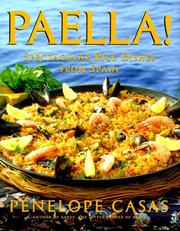
A focused, dedicated guide to paella and Spanish rice dishes, walking beginners through the socarrat, stock-making, and regional rice variations step by step.
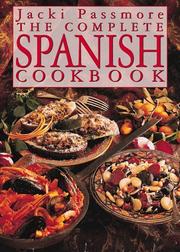
Provides thorough, technique-forward recipes for tortilla española and other egg and rice staples, reinforcing the iconic dishes with clear instruction and helpful context.
Going Deeper: Regional Spanish Cooking
IntermediateExplore the distinct regional cuisines of Spain — Basque, Catalan, Andalusian, and Galician — expanding the repertoire beyond tapas into full meals and more complex flavor profiles.
▸ Study plan for this stage
Pace: 6–8 weeks, ~25–30 pages/day, with 2–3 cooking sessions per week
- Basque culinary identity: txuleta, bacalao a la vizcaína, and the role of pintxos as sophisticated small plates rather than casual snacks
- Catalan flavor foundations: sofregit (sofrito), romesco sauce, and the integration of seafood with inland ingredients like nuts and dried fruits
- Regional ingredient sourcing: how geography shapes Basque access to Atlantic fish and Catalan use of Mediterranean produce and mountain herbs
- Technique mastery: salt-curing, slow-braising, and emulsification methods specific to each region's culinary traditions
- Seasonal eating and market-driven cooking: understanding how Basque and Catalan cuisines respond to local harvests and fishing seasons
- The distinction between tapas culture and full regional meals: how pintxos and small plates fit into a complete Basque or Catalan dining experience
- What are the defining characteristics of Basque cuisine, and how do dishes like bacalao a la vizcaína and txuleta reflect Basque geography and culture?
- Explain the sofregit technique and its importance in Catalan cooking—what ingredients does it use and why is it foundational?
- How do Basque and Catalan cuisines differ in their approach to seafood, and what role do Atlantic vs. Mediterranean ingredients play in each?
- What is the relationship between pintxos and tapas, and how do Basque pintxos represent a more refined approach to small plates?
- Describe a complete Basque or Catalan meal structure—how do regional dishes combine into a cohesive dining experience beyond individual plates?
- How do seasonal availability and local markets influence the daily cooking practices in Basque Country and Catalonia?
- Cook 2–3 foundational Basque dishes from Buckley's book (e.g., bacalao a la vizcaína, txuleta with piquillo peppers) and document flavor profiles, techniques, and ingredient sourcing
- Prepare sofregit from scratch and use it as the base for 2 different Catalan dishes from Olivella's book, noting how the same foundation creates distinct final dishes
- Source and taste 3–4 regional Basque and Catalan ingredients (Espelette pepper, Catalan romesco nuts, salt-cured bacalao, local herbs) to understand how geography shapes flavor
- Plan and execute a complete Basque or Catalan multi-course meal (3–4 dishes) for friends or family, explaining regional context and technique choices
- Create a seasonal ingredient map for Basque Country and Catalonia, then design a week of menus based on what would be available in one season
- Prepare 4–5 pintxos using Basque techniques and compare them to tapas you've made before, analyzing differences in presentation, technique, and cultural significance
Next up: This stage establishes deep regional mastery of two major Spanish cuisines, positioning you to explore the remaining regions (Andalusian and Galician) with a sophisticated framework for understanding how geography, ingredients, and technique create distinct culinary identities across Spain.

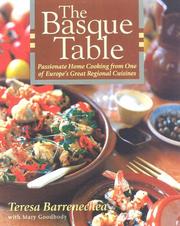
An authoritative and beautifully written guide to Basque cuisine — pintxos, salt cod, and slow-cooked meats — which represents one of Spain's most celebrated and distinctive regional traditions.

Opens up the rich, herb-forward world of Catalan cooking with its unique romesco and picada sauces, adding another major regional layer to the learner's growing Spanish repertoire.
The Full Table: Authentic Spanish Mastery
IntermediateSynthesize everything learned into a complete, authentic Spanish cooking practice — planning full menus, understanding the balance of a Spanish meal, and cooking with the confidence of a home cook steeped in Spain's traditions.
▸ Study plan for this stage
Pace: 8–10 weeks, ~40–50 pages/day with cooking practice 3–4 times per week
- The structure and philosophy of a complete Spanish meal: courses, pacing, and the role of each dish in building a cohesive dining experience
- Regional Spanish cooking traditions and how geography, climate, and local ingredients shape distinct culinary identities across Spain
- Simone Ortega's systematic approach to technique, ingredient selection, and flavor balance as the foundation for authentic home cooking
- Menu planning as a craft: selecting complementary dishes, managing preparation timelines, and adapting recipes to seasonal availability
- The cultural and social context of Spanish eating—how meals function as family ritual and how to recreate that authenticity at home
- Mastery of core Spanish ingredients and pantry staples: olive oil, garlic, paprika, saffron, and how to source and evaluate quality
- Building confidence through repetition: cooking the same dishes multiple times to internalize technique and develop intuition
- How would you plan a three-course Spanish dinner for guests, and what principles would guide your choice of dishes to ensure balance and flow?
- What are the key regional differences in Spanish cooking that Ortega emphasizes, and how do these differences reflect Spain's geography and history?
- Describe Ortega's approach to a fundamental Spanish technique (e.g., sofrito, searing meat, or making stock) and explain why mastering it matters for authentic cooking
- How do you evaluate the quality of essential Spanish ingredients like olive oil or paprika, and why does this matter for the final dish?
- What does it mean to cook 'with the confidence of a home cook steeped in Spain's traditions,' and what specific habits or practices build that confidence?
- How would you adapt a traditional Spanish recipe from Ortega's book based on seasonal ingredients available to you, while maintaining authenticity?
- Cook three complete Spanish meals from 'Spain' by Ortega—each spanning 2–3 courses—spacing them 2–3 weeks apart. Document your process, timing, and any adjustments made
- Select one foundational recipe (e.g., a classic paella, gazpacho, or cocido) and cook it 4–5 times over the course of the stage, refining technique and noting how your execution improves
- Plan and execute a full Spanish menu for 4–6 guests, including appetizers, main course, and dessert, using only recipes from Ortega's book and managing all prep and timing yourself
- Create a personal Spanish pantry inventory: source and taste 5–7 essential ingredients (olive oils, paprikas, saffrons, cured meats) from different producers, noting quality differences and your preferences
- Read and annotate Ortega's introductory sections and technique notes, then create a personal reference guide of her core techniques with your own photos and notes from your cooking
- Cook one dish from each major regional tradition Ortega covers (e.g., Basque, Andalusian, Catalan, Castilian), then write a short reflection on how geography and ingredients shape each region's flavor profile
Next up: This stage transforms you from a competent recipe-follower into a confident, intuitive Spanish cook grounded in authentic tradition—positioning you to either teach others, explore advanced regional specialties, or develop your own creative variations while maintaining the integrity of Spanish culinary principles.

A landmark, encyclopedic Spanish cookbook used in Spanish homes for generations — reading it at this stage lets the learner see the full landscape of Spanish cooking and fill any remaining gaps with authority.
Discussion
Keep reading
Paths that share books, cover the same subject, or open a related topic.