Cajun and Creole cooking: top books for Louisiana flavor
This curriculum takes a beginner from zero knowledge of Louisiana cooking all the way to confident, soulful mastery of Cajun and Creole cuisine. It starts by building essential technique and cultural context — roux, the holy trinity, and iconic dishes like gumbo and jambalaya — then progressively deepens into authentic regional traditions, advanced flavor-building, and the storied culinary history that makes this cuisine so distinctive.
Foundations: Technique, Trinity & Roux
BeginnerUnderstand the essential building blocks of Cajun and Creole cooking — how to make a proper roux, use the holy trinity (onion, celery, bell pepper), and cook foundational dishes like gumbo and jambalaya with confidence.
▸ Study plan for this stage
Pace: 4–5 weeks, ~40–50 pages/day, with 2–3 cooking sessions per week
- Roux-making mastery: the color spectrum (blonde, brown, dark chocolate) and how each affects flavor depth and dish character
- The holy trinity (onion, celery, bell pepper) as the aromatic foundation and how to properly mince and layer these ingredients
- Gumbo construction: building layers of flavor through roux, trinity, stock, and protein; understanding okra and filé powder as thickeners
- Jambalaya technique: the one-pot method, order of ingredient addition, and the balance between wet and dry cooking styles
- Seasoning philosophy: salt, pepper, cayenne, and Creole spice blends as flavor builders rather than afterthoughts
- Stock and broth fundamentals: making your own chicken, seafood, and vegetable stocks from Prudhomme's methods
- Protein preparation: browning meat properly, rendering fat, and building fond for depth of flavor
- The difference between Cajun (rustic, country) and Creole (urban, refined) approaches to the same dishes
- What are the four main roux colors in Cajun cooking, and how does cooking time affect flavor intensity and thickening power?
- Why is the holy trinity essential to Cajun and Creole cooking, and what is the proper ratio and cutting technique for each ingredient?
- How do you make a dark chocolate roux without burning it, and what is the critical window for adding the trinity?
- What are the key differences between a Cajun gumbo and a Creole gumbo, and how do okra and filé powder function differently as thickeners?
- How does the order of ingredient addition in jambalaya affect the final texture and flavor, and what distinguishes a wet jambalaya from a dry one?
- Why is making your own stock important in Cajun cooking, and what bones and aromatics does Prudhomme recommend for depth?
- Make a blonde roux, a brown roux, and a dark chocolate roux on separate days, timing each and noting the aroma changes; taste small samples to understand flavor progression
- Prep the holy trinity three times using Prudhomme's knife technique, aiming for consistent dice size and proper weight ratios (onion:celery:bell pepper)
- Cook a basic chicken and sausage gumbo from 'The Prudhomme Family Cookbook,' focusing on roux control and the critical moment of trinity addition
- Make a seafood gumbo using okra as the thickener (from 'Chef Paul Prudhomme's Louisiana Kitchen'), then make the same recipe with filé powder, and compare the texture and mouthfeel
- Prepare a Cajun jambalaya and a Creole jambalaya side-by-side using recipes from both Prudhomme books, noting differences in technique and final dish character
- Make a batch of chicken stock and a batch of seafood stock using Prudhomme's methods; use these in subsequent gumbo and jambalaya recipes to taste the difference versus store-bought
Next up: Mastering these foundational techniques—roux, trinity, and the core dishes—gives you the confidence and muscle memory to tackle regional variations, specialized proteins (crawfish, alligator, game), and advanced flavor layering in the next stage.

Paul Prudhomme is the godfather of Cajun cooking, and this family-style cookbook introduces beginners to authentic Louisiana home cooking with clear, approachable recipes that explain the 'why' behind roux and seasoning from the very first page.
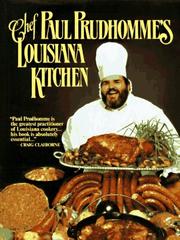
After the family introduction, this landmark book deepens roux technique and presents the full spectrum of gumbo, jambalaya, and étouffée recipes that defined Cajun cuisine for the world — a must-read second step.
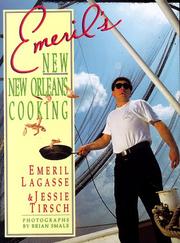
Emeril bridges Cajun and Creole traditions in an accessible way, helping beginners see how the two cuisines relate and differ while reinforcing core techniques with enthusiastic, well-explained recipes.
Creole Soul: New Orleans at the Table
BeginnerGrasp the distinct identity of Creole cooking — its urban New Orleans roots, French and African influences, and how dishes like red beans and rice, shrimp Creole, and bisques differ from their Cajun cousins.
▸ Study plan for this stage
Pace: 4–5 weeks, ~25–30 pages/day. Start with "The Dooky Chase Cookbook" (weeks 1–2), then move to "New Orleans Cuisine" (weeks 3–5) to deepen historical and cultural context.
- Creole cooking as an urban New Orleans tradition rooted in French, Spanish, African, and Caribbean influences
- The Dooky Chase family legacy and how restaurant culture shaped Creole identity and community
- Core Creole flavor profiles: the holy trinity (onion, celery, bell pepper), roux-based sauces, and spice blends distinct from Cajun cooking
- Signature Creole dishes—red beans and rice, shrimp Creole, gumbo, and bisques—and their historical origins
- The role of African and enslaved cook traditions in defining Creole cuisine's character
- How Creole cooking reflects New Orleans' urban, multicultural, and often Creolized society versus rural Cajun traditions
- What are the key historical influences that shaped Creole cooking, and how do they differ from Cajun cooking's roots?
- Who was Leah Chase, and what role did the Dooky Chase restaurant play in preserving and elevating Creole cuisine?
- Describe the holy trinity and explain how it functions as the flavor foundation in Creole dishes.
- What is the significance of red beans and rice, shrimp Creole, and bisques in Creole culinary tradition?
- How did African and enslaved cook traditions influence the development of Creole cooking in New Orleans?
- What does 'Creolized' mean in the context of New Orleans food culture, and how does it distinguish Creole from Cajun cuisine?
- Cook three signature Creole dishes from 'The Dooky Chase Cookbook'—red beans and rice, shrimp Creole, and a bisque—and document how the holy trinity and roux appear in each.
- Make a comparative chart: list 5 Creole dishes from the books alongside their key ingredients, techniques, and historical origins to identify patterns.
- Prepare the holy trinity from scratch and taste it raw, then in a roux, then in a finished dish to understand how it builds flavor in Creole cooking.
- Read and annotate 2–3 recipes from 'The Dooky Chase Cookbook' alongside corresponding passages from 'New Orleans Cuisine' to connect family/restaurant history to technique.
- Interview a family member or friend about a traditional meal from their background, then compare its cultural significance and flavor logic to a Creole dish from the books.
- Create a timeline of Creole cooking's development in New Orleans (using 'New Orleans Cuisine') and mark key moments when African, French, Spanish, and Caribbean influences entered the tradition.
Next up: This stage establishes Creole cooking's distinct urban identity and multicultural roots, preparing you to contrast it with Cajun cooking's rural, Acadian heritage and to explore how regional variations and family traditions evolved across Louisiana.
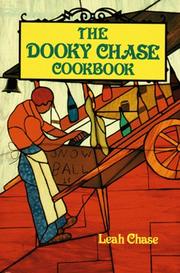
Leah Chase, the 'Queen of Creole Cuisine,' offers an irreplaceable insider's view of New Orleans Creole cooking, with recipes and stories that teach the cultural soul behind every dish.
This collection of essays and recipes from New Orleans culinary historians provides the cultural and historical context that makes Creole flavors make sense, building the intuition needed for deeper study.
Going Deeper: Authentic Cajun Country
IntermediateMove beyond restaurant-style dishes into the authentic, rustic Cajun cooking of the Louisiana bayou — boudin, cracklins, smothered dishes, and the slow, patient cooking rhythms of Cajun country kitchens.
▸ Study plan for this stage
Pace: 8–10 weeks, ~25–30 pages/day. Start with Ancelet's cultural and historical framework (2–3 weeks), then move into Link's practical recipes and techniques (5–7 weeks), allowing time for cooking projects between chapters.
- Cajun identity and cultural history: how displacement, isolation, and resourcefulness shaped Cajun foodways in the bayou
- Nose-to-tail and whole-animal cooking: using every part (boudin, cracklins, offal) as both necessity and flavor philosophy
- The holy trinity (onion, celery, bell pepper) and foundational flavor-building in authentic Cajun cooking
- Smothering technique: the slow, patient braising method central to rustic Cajun home cooking
- Seasonal and foraged ingredients: how Cajun cooks work with what the bayou and swamps provide year-round
- The distinction between restaurant Cajun and authentic home-kitchen Cajun cooking
- Patience and time as core ingredients: understanding the slow rhythms and multi-step processes of traditional Cajun preparation
- How did Acadian history and geographic isolation shape the distinctive character of Cajun cuisine?
- What is the difference between restaurant-style Cajun cooking and the authentic rustic cooking of Cajun country kitchens?
- Explain the smothering technique and why it is central to traditional Cajun home cooking.
- What are boudin and cracklins, and why are they important expressions of whole-animal, nose-to-tail cooking in Cajun culture?
- How do Cajun cooks use the holy trinity, and what role does it play in building foundational flavors?
- What seasonal and foraged ingredients are important to traditional Cajun cooking, and how do they reflect the bayou environment?
- Make a batch of boudin from scratch using Link's recipe and techniques; document the process and reflect on how it connects to Cajun resourcefulness and whole-animal philosophy.
- Prepare cracklins at home; taste them fresh and compare to store-bought versions; write notes on texture, flavor, and why this technique matters in Cajun cooking.
- Cook a smothered dish (chicken, pork, or vegetables) following Link's method; time the cooking process and journal about the patience required and how flavors develop over hours.
- Create a holy trinity base and use it in three different dishes from Link's recipes; compare how the same foundational flavors work across different proteins and preparations.
- Visit a local Cajun restaurant or specialty market (or research online) and interview a cook or vendor about the difference between restaurant and home-kitchen Cajun cooking; record their insights.
- Plan and cook a full Cajun meal using recipes from both Ancelet and Link; invite others to eat and discuss how the dishes reflect the cultural and historical themes from Ancelet's writing.
Next up: This stage grounds you in the authentic, rustic foundations of Cajun cooking—its history, philosophy, and core techniques—preparing you to explore how these traditions have evolved, adapted, and influenced modern interpretations and regional variations in the next stage.
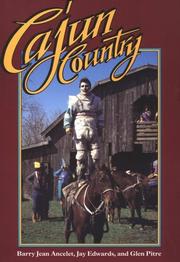
This cultural deep-dive into Cajun life and foodways gives the intermediate learner the regional and anthropological grounding to understand why Cajun cooking tastes the way it does — essential context before tackling advanced recipes.
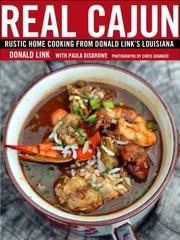
James Beard Award-winning chef Donald Link brings readers into the heart of Cajun country with honest, rustic recipes and personal stories, pushing technique and flavor complexity to the next level.
Mastery: The Full Louisiana Table
ExpertSynthesize Cajun and Creole traditions into a complete, masterful command of Louisiana cuisine — understanding layered seasoning, advanced stocks, charcuterie, and the full sweep of the Louisiana table from appetizers to desserts.
▸ Study plan for this stage
Pace: 8–10 weeks, ~25–30 pages/day, with 2–3 cooking sessions per week
- Layered seasoning philosophy: the holy trinity (onion, celery, bell pepper) as foundational flavor architecture and how to build complexity through spice ratios and timing
- Advanced stock-making: dark roux development, bone selection, and long-simmering techniques that create the backbone of Louisiana sauces and gravies
- Charcuterie and curing traditions: andouille, tasso, and boudin production as expressions of Cajun preservation and flavor-building
- The complete Louisiana table structure: appetizers through desserts, understanding how dishes relate to seasons, celebrations, and cultural moments
- Creole vs. Cajun synthesis: recognizing how urban New Orleans Creole refinement and rural Cajun rusticity coexist in modern Louisiana cooking
- Treme as cultural geography: how specific neighborhoods, families, and institutions (churches, social clubs, restaurants) shape and preserve Louisiana foodways
- Improvisation within tradition: reading recipes as frameworks rather than rigid formulas, understanding ingredient substitution and adaptation
- Food as memory and identity: how Louisiana cooking encodes family history, migration patterns, and cultural survival
- How does the holy trinity function as a flavor foundation, and how do you adjust its proportions for different dishes (gumbo vs. étouffée vs. jambalaya)?
- What are the critical steps in making a proper dark roux, and why is temperature control essential to avoid burning?
- Describe the differences between andouille, tasso, and boudin in terms of preparation, flavor profile, and traditional uses in Louisiana cooking.
- How does Emeril's approach to seasoning in 'Louisiana Real and Rustic' differ from classical French technique, and what does this reveal about Cajun philosophy?
- Using 'Treme' as a lens, explain how specific New Orleans neighborhoods and cultural institutions have preserved and evolved Louisiana foodways.
- What role do stocks and gravies play in Louisiana cuisine, and how do you build them to achieve depth without relying on commercial bases?
- How would you construct a complete Louisiana meal from appetizer through dessert, and what principles guide your choices?
- What does it mean to cook 'rustic' in the Louisiana tradition, and how does this differ from cooking 'refined' Creole food?
- Make a proper dark roux from scratch (chocolate-brown color) and use it as the base for a gumbo; document the temperature, timing, and how the roux behaves at different stages.
- Prepare the holy trinity in three different ratios (traditional, Creole-leaning, Cajun-leaning) and taste how each shifts the flavor profile of a single base dish.
- Cure and prepare andouille sausage or tasso at home, following Emeril's or traditional methods; understand the salt ratios, smoking times, and flavor development.
- Cook a complete Louisiana meal (appetizer, main, side, dessert) drawn from 'Louisiana Real and Rustic,' paying attention to how dishes complement each other seasonally and culturally.
- Read a Treme passage about a specific dish or food tradition (e.g., gumbo, po'boys, King Cake) and trace how Elie connects it to neighborhood history, family, or social practice; then cook that dish with this cultural context in mind.
- Make two versions of the same dish (e.g., shrimp étouffée): one following Emeril's recipe exactly, one with intentional substitutions or adaptations; compare and reflect on when tradition matters vs. when improvisation works.
- Prepare a stock from scratch (seafood, chicken, or meat) using Louisiana principles: what bones, aromatics, and timing does Emeril recommend, and how does this stock differ from classical French stock?
- Host a tasting menu featuring 3–4 dishes from the books, and invite others to discuss how the flavors layer, how the meal feels cohesive, and what cultural or historical context enriches the experience.
Next up: This stage establishes mastery of Louisiana cuisine's technical foundations and cultural logic, positioning you to either teach others, develop original recipes grounded in authentic tradition, or explore specialized topics (regional variations, historical evolution, or fusion approaches) with deep credibility and respect for the source material.
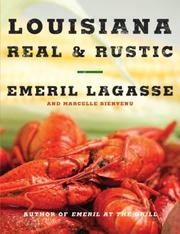
Emeril's most technically ambitious Louisiana book pushes the advanced cook into complex stocks, layered sauces, and the full breadth of the cuisine, synthesizing everything learned in earlier stages.

This final book weaves together the history, culture, and advanced recipes of New Orleans' most storied neighborhood, cementing a deep, holistic mastery of both Cajun and Creole cooking as living, evolving traditions.
Discussion
Keep reading
Paths that share books, cover the same subject, or open a related topic.