Greek cooking at home: the best books for Mediterranean flavor
This curriculum takes you from the soul and philosophy of Greek cooking all the way to mastering its most iconic dishes and regional traditions. Each stage builds on the last — starting with cultural context and pantry essentials, moving through everyday classics and mezze culture, and culminating in deep regional and seasonal mastery that will make your cooking feel truly authentic.
The Greek Kitchen: Foundations & Philosophy
BeginnerUnderstand the cultural soul of Greek cooking, its core pantry (olive oil, herbs, legumes, cheese), and the Mediterranean mindset before touching a single recipe.
▸ Study plan for this stage
Pace: 4–5 weeks, ~25–30 pages/day, with 2–3 days per week reserved for reflection and pantry exploration
- The role of olive oil as the cornerstone of Greek cuisine and its cultural/nutritional significance
- Regional diversity in Greek cooking: how geography, climate, and island/mainland traditions shape distinct flavor profiles
- The Mediterranean philosophy of eating: seasonality, simplicity, community, and the relationship between food and life
- The Greek pantry essentials: dried herbs (oregano, thyme), legumes (lentils, chickpeas, fava), feta and other cheeses, and how to select quality versions
- The historical and cultural context of Greek food: ancient influences, Ottoman legacy, and how tradition survives in modern Greek tables
- Flavor foundations: the Greek approach to seasoning, balance, and the interplay of lemon, garlic, and herbs
- The social and family rituals around Greek food: the importance of the table, sharing, and food as connection
- What makes olive oil central to Greek cuisine beyond flavor, and how do you evaluate quality olive oil?
- How does geography influence regional Greek cooking, and what are 3–4 distinct regional styles you can identify?
- What is the Mediterranean philosophy of eating, and how does it differ from modern Western food culture?
- Name 5–6 essential pantry staples in Greek cooking and explain why each matters to the cuisine
- How have historical events (ancient Greece, Ottoman rule) shaped the food you find on a modern Greek table?
- What role does community and family ritual play in Greek food culture, and how is this reflected in the way Greeks cook and eat?
- Taste test 2–3 different extra virgin olive oils (varying regions/producers) and note the differences in aroma, color, and flavor; reflect on how these variations connect to terroir
- Create a 'Greek Pantry Inventory': source and purchase 6–8 core Greek ingredients (oregano, thyme, feta, lentils, chickpeas, quality olive oil, Kalamata olives, lemon); taste and document each one
- Map Greek regions mentioned in the books (Crete, Peloponnese, islands, etc.) and note 2–3 signature ingredients or dishes from each; identify how climate/geography shaped those choices
- Interview a Greek person (in person or via video) about their family's food traditions and how they connect to the Mediterranean philosophy; record 3–5 key insights
- Keep a 'Seasonal Eating Journal' for 1–2 weeks: note what's in season where you live and brainstorm how a Greek cook would use those ingredients
- Prepare a simple Greek-inspired meal using only pantry staples (olive oil, herbs, legumes, cheese, lemon) without a recipe; reflect on how constraint shapes creativity
Next up: This foundation in Greek culinary philosophy, regional traditions, and pantry mastery equips you to approach actual recipes with cultural understanding and ingredient confidence, transforming cooking from mere technique into an expression of Mediterranean values.
A beautifully authoritative introduction to Greek cuisine by one of its foremost scholars — covers history, ingredients, and regional identity, giving beginners the cultural vocabulary they need first.

Kochilas is Greece's most prominent culinary ambassador; this accessible, story-driven book bridges culture and practical cooking, making it the perfect second read to cement foundational knowledge with approachable recipes.
Olive Oil, Herbs & the Mezze Table
BeginnerMaster the art of the mezze spread — dips, salads, small plates — and develop an intuitive feel for olive oil, fresh herbs, and seasonal vegetables as the backbone of Greek cooking.
▸ Study plan for this stage
Pace: 4–5 weeks, ~25–30 pages/day, with 2–3 cooking sessions per week
- Olive oil as a foundational ingredient: quality grades, tasting profiles, and how to select oils for different applications (finishing vs. cooking)
- Fresh Mediterranean herbs (oregano, thyme, mint, parsley, dill) and their flavor profiles, seasonal availability, and how they transform simple ingredients
- The mezze tradition: understanding small plates as a philosophy of eating—variety, sharing, and balance rather than a single main dish
- Vegetable-forward cooking: selecting seasonal produce and mastering fundamental techniques (roasting, grilling, raw preparations) that let vegetables shine
- Building flavor through acid, salt, and fat: how lemon juice, vinegar, quality olive oil, and seasoning create depth in simple dips and salads
- Core mezze components from ATK: hummus, tzatziki, dolmas, Greek salads, and grilled vegetables as building blocks for the mezze table
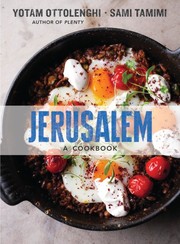
- Ottolenghi's approach to abundance and improvisation: how to compose a mezze spread using seasonal vegetables and pantry staples with confidence
- Pairing and composition: how to create a balanced mezze table that works as a cohesive meal, not just isolated dishes
- How do you choose between extra-virgin, virgin, and regular olive oil for a specific dish, and what are the flavor and cost trade-offs?
- What are the key flavor profiles of oregano, thyme, mint, and parsley, and how would you use each in a mezze context?
- What makes a mezze table successful as a meal structure, and how does it differ from a traditional appetizer course?
- Describe the technique for making a silky hummus or tzatziki from ATK, and explain what role acid, salt, and fat play in the final result.
- How do you select and prepare seasonal vegetables for a mezze spread, and what are two different cooking methods you could use?
- Using Ottolenghi's philosophy, how would you compose a mezze table for four people with three vegetable-based dishes, one grain or legume dish, and one dip?
- Taste test 2–3 different olive oils (budget-friendly, mid-range, and premium extra-virgin). Note their color, aroma, and flavor. Use each in a simple salad or as a finishing oil to experience the difference.
- Make hummus and tzatziki from ATK's recipes back-to-back. Adjust seasoning and acid in each to understand how lemon juice and salt transform the texture and flavor.
- Prepare a simple Greek salad and a roasted vegetable dish (e.g., zucchini, eggplant, or bell peppers) using ATK's techniques. Taste before and after adding fresh herbs to notice the impact.
- Compose and cook a complete mezze table for 2–4 people using at least one recipe from ATK (a dip or salad) and one from Ottolenghi (a vegetable or grain dish). Arrange and serve it as a meal.
- Make a batch of dolmas or another stuffed vegetable from ATK. Focus on technique and seasoning, then taste critically to understand how herbs and olive oil balance the filling.
- Create a seasonal vegetable mezze using Ottolenghi's improvisation approach: select 3–4 vegetables in season, choose 2 different cooking methods (raw, roasted, grilled), and compose them into a cohesive dish with dressing and herbs.
Next up: This stage establishes your foundation in Mediterranean flavor-building and the mezze philosophy, preparing you to move into more complex techniques like braises, stews, and whole-meal cooking that layer these same herbs, oils, and vegetables into deeper, longer-cooked dishes.
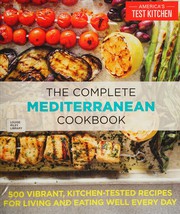
A technique-first approach that demystifies Mediterranean pantry staples including olive oil grades and herb usage — ideal for building hands-on confidence before tackling purely Greek sources.

Though broader than Greece alone, this vegetable-forward book trains the palate for the herb-bright, olive-oil-rich, mezze-style thinking central to Greek cooking, and builds intuition for seasonal salads and small plates.
Greek Classics: From Moussaka to the Sea
IntermediateCook the canonical dishes of the Greek repertoire — moussaka, spanakopita, pastitsio, grilled fish, and slow-braised meats — with confidence and authenticity.
▸ Study plan for this stage
Pace: 8–10 weeks, ~40–50 pages/day with 2–3 cooking sessions per week
- Layering technique in baked dishes: how moussaka and pastitsio build flavor and texture through strategic placement of components
- The role of béchamel sauce as a binding and enriching element in Greek baked pasta and vegetable dishes
- Slow-braising fundamentals: low heat, time, and liquid reduction to develop deep, complex flavors in meat dishes
- Grilling and pan-searing techniques for fish and seafood that preserve delicate textures while building crust
- Phyllo dough handling and lamination: achieving crispy, golden layers in spanakopita and other pastries
- Vegetable preparation and seasoning philosophy in Greek cooking: respecting ingredient quality while building aromatic foundations
- The interplay of olive oil, lemon, and herbs (oregano, dill, mint) as the flavor trinity of Greek cuisine
- Adapting traditional recipes for modern kitchens while maintaining authenticity and regional variations
- What are the essential layers in a traditional moussaka, and why is the béchamel sauce critical to its structure and flavor?
- How do you work with phyllo dough to achieve crispy, golden results in spanakopita, and what are common mistakes to avoid?
- What is the difference between pastitsio and moussaka in terms of pasta choice, sauce composition, and cooking method?
- Describe the slow-braising process for Greek meat dishes: what temperatures, liquids, and timing produce authentic results?
- How do grilling and pan-searing techniques differ for whole fish versus fish fillets, and what role does olive oil play in each method?
- What are the signature flavor combinations (herbs, aromatics, citrus) that define Greek vegetable and meat dishes, and how do you balance them?
- Cook moussaka from start to finish, focusing on layering technique, béchamel consistency, and achieving even browning; make it twice to refine timing
- Prepare spanakopita using fresh phyllo dough, practicing the folding and brushing technique to achieve maximum crispness
- Make pastitsio alongside moussaka to directly compare their construction, pasta types, and sauce ratios
- Braise a whole chicken or lamb shoulder using Greek aromatics (onion, garlic, tomato, oregano, lemon) over 2–3 hours, tasting and adjusting seasoning at intervals
- Grill or pan-sear whole fish (such as sea bream or sea bass) and fish fillets, experimenting with timing and oil temperature to achieve crispy skin and moist flesh
- Prepare a Greek vegetable dish from *The Greek Vegetarian* (such as gemista or pastitsada), focusing on vegetable quality, seasoning balance, and olive oil technique
- Make a slow-braised meat dish (stifado or pastitsada) and compare it to a quick-cooked version to understand how time develops flavor
- Prepare a complete Greek meal (appetizer, main, side) using recipes from both books, practicing timing and plating
Next up: This stage grounds you in the canonical techniques and flavor profiles of Greek cooking, preparing you to explore regional variations, seasonal adaptations, and more advanced preparations in the next stage.
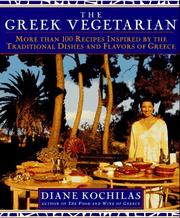
Focuses on the plant-based and legume-driven dishes that form the everyday backbone of Greek cooking, filling the gap before tackling heavier meat classics.
Often called the 'Greek Joy of Cooking,' this is the definitive home-cooking bible of Greece — comprehensive, reliable, and essential for mastering moussaka, pastitsio, and all the beloved classics in their most authentic form.
Regional Depth & Seasonal Mastery
ExpertExplore the distinct regional cuisines of Greece — from the islands to the mainland — and cook with a fully seasonal, market-driven sensibility that reflects how Greeks truly eat.
▸ Study plan for this stage
Pace: 6–8 weeks, ~40–50 pages/day, with 2–3 cooking sessions per week
- Regional Greek cuisines as distinct food cultures: Ikarian simplicity vs. Mediterranean island variation and the influence of geography on ingredient availability and cooking methods
- Seasonal eating as a philosophy: understanding how Greeks structure their year around what grows, how preservation techniques (drying, salting, fermenting) extend seasons, and why this matters for flavor and nutrition
- The relationship between landscape and larder: how terrain, climate, and local agriculture shape what appears on the table in each region and season
- Ingredient-driven cooking over recipe-driven cooking: learning to build meals from what's available rather than shopping for a predetermined dish
- The role of simplicity and restraint: how Greek regional cooking achieves depth through minimal intervention, quality ingredients, and time-honored techniques rather than complexity
- Preservation and pantry wisdom: mastering traditional methods (sun-drying tomatoes, making cheese, brining olives) that allow seasonal eating year-round
- Eating with the seasons across different Greek regions: recognizing how spring, summer, autumn, and winter eating differ in Ikaria, the islands, and mainland Greece
- What are the defining characteristics of Ikarian cuisine, and how does the island's geography and longevity culture influence what and how people eat there?
- How do seasonal rhythms structure the Greek year in terms of what's cooked and eaten, and what preservation techniques allow Greeks to eat seasonally year-round?
- Compare the regional cuisines described across the islands and mainland in these books: what are the key differences, and what unifies them as 'Greek'?
- How does the concept of 'eating what's available' differ from Western recipe-driven cooking, and what skills does this approach require?
- What role do traditional preservation methods (drying, fermenting, salting) play in Greek seasonal eating, and how do you apply them in your own kitchen?
- Describe a complete seasonal meal (spring, summer, autumn, winter) from one Greek region, explaining why those ingredients and dishes appear in that season
- Cook 2–3 recipes from Ikaria, focusing on the simplest ones first (e.g., a bean dish, a vegetable preparation, a salad): notice how few ingredients are used and how flavor comes from quality and technique, not complexity
- Plan and cook a full seasonal meal (appetizer through dessert) from one Greek region described in the books, shopping at a farmers market and choosing ingredients first, then deciding what to cook
- Preserve one seasonal ingredient using a traditional Greek method: sun-dry tomatoes, make a simple cheese, brine olives, or ferment greens—document the process and taste the result over time
- Create a seasonal pantry inventory for one region: list what would be preserved, dried, or stored in spring, summer, autumn, and winter based on what the books describe
- Cook the same dish (e.g., a vegetable stew or salad) three times across different seasons using whatever is freshest available, noting how the dish changes and why
- Interview or research a Greek family's eating patterns across the year: map out their seasonal rhythm and compare it to what Kochilas and Kiros describe in their books
Next up: This stage grounds you in the regional and seasonal foundations of Greek cooking; the next stage will likely build on this knowledge by deepening your technical skills, exploring specific cooking methods (grilling, baking, slow-cooking), or learning to adapt these principles to your own local ingredients and climate.

Dives deep into the longevity-linked food culture of Ikaria island, revealing the hyper-local, seasonal, and wild-herb-driven cooking that represents Greek cuisine at its most elemental and regional.
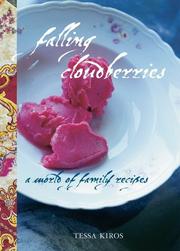
A lyrical, personal journey through Mediterranean and Greek-influenced family cooking that rewards the advanced reader with nuanced, memory-driven recipes and a poetic understanding of how place shapes a dish.
Discussion
Keep reading
Paths that share books, cover the same subject, or open a related topic.