Fixing knee pain: the best books to understand and rehab your knees
This curriculum starts by building a foundational understanding of how the body — and the knee specifically — works, then progresses through pain science, load management, and finally evidence-based rehabilitation strategies. Each stage equips the reader with the vocabulary and mental models needed to get the most out of the next, ensuring that by the end they can confidently apply rehab principles while knowing when and how to work alongside a healthcare professional.
Foundations: Understanding Your Body & Pain
BeginnerUnderstand how the musculoskeletal system works, what pain actually is, and why knee pain is rarely just a 'structural' problem — building the mindset needed for everything that follows.
▸ Study plan for this stage
Pace: 4–5 weeks, ~25–30 pages/day. Start with "Explain Pain" (3 weeks, ~20 pages/day) for foundational pain science, then move to "The Body" (1–2 weeks, ~30 pages/day) for anatomical context. Allow 2–3 days between books for reflection and note-taking.
- Pain is a protective output of the nervous system, not a direct measure of tissue damage — understanding this distinction is crucial for recovery
- The biopsychosocial model: pain results from biological, psychological, and social factors working together, not just physical injury
- Nociception (danger signals from tissue) and pain perception are separate processes; your brain decides whether to produce pain based on multiple inputs
- How the musculoskeletal system is organized: bones, joints, muscles, tendons, ligaments, and fascia work as an integrated system, not isolated parts
- Neuroplasticity and sensitization: the nervous system can become overly protective, amplifying pain signals even when tissue is healing
- The role of movement, confidence, and context in pain modulation — why fear and avoidance often perpetuate knee pain
- Anatomy is not destiny: structural variations (meniscal tears, arthritis, etc.) are common in pain-free people, challenging the 'structural damage = pain' narrative
- What is the difference between nociception and pain, and why does this distinction matter for understanding knee pain?
- Explain the biopsychosocial model and give three examples of how psychological or social factors might influence someone's knee pain experience
- Why do many people with significant structural knee damage (e.g., meniscal tears) experience no pain, while others with minimal structural findings have severe pain?
- How does the nervous system's protective mechanisms sometimes become overactive, and what role does sensitization play in chronic knee pain?
- Describe the basic anatomy of the knee joint, including the key structures involved (bones, cartilage, ligaments, muscles) and how they work together
- What does it mean that 'anatomy is not destiny,' and how does this concept challenge traditional views of knee injuries?
- While reading 'Explain Pain,' create a one-page visual map showing the difference between nociception, pain perception, and pain behavior — use arrows and labels to show how the nervous system processes danger signals
- Keep a 'pain science journal' as you read: after each chapter, write down one key idea and one real-world example (from your own experience or observation) that illustrates it
- After finishing 'Explain Pain,' write a 2–3 paragraph explanation of the biopsychosocial model as if you were teaching it to a friend who just got a knee diagnosis
- While reading 'The Body,' annotate the chapters on joints, muscles, and connective tissue; create a labeled diagram of the knee showing all major structures mentioned and their functions
- Do a 'structure vs. pain' research exercise: find 2–3 peer-reviewed studies or credible sources showing that structural findings (e.g., arthritis, meniscal tears) don't always correlate with pain; summarize your findings in one page
- Practice explaining sensitization: describe a scenario where someone's knee pain increases even though their tissue is healing, and explain the nervous system mechanisms at play using concepts from 'Explain Pain'
Next up: This stage establishes that knee pain is a complex, multifactorial experience rooted in nervous system protection rather than simple structural damage, positioning you to move into the next stage where you'll learn specific assessment and movement strategies to address the root causes and retrain your nervous system.

The single best starting point for any pain curriculum — it reframes pain as a protective output of the nervous system rather than pure tissue damage, which is essential context before diving into knee-specific advice.

A highly readable, science-grounded tour of human anatomy and physiology that builds the vocabulary (joints, cartilage, tendons, muscles) needed to understand knee-specific literature without feeling overwhelmed.
The Knee: Causes, Conditions & Common Mistakes
BeginnerIdentify the most common causes of knee pain (patellofemoral syndrome, osteoarthritis, tendinopathy, IT band issues), understand why rest alone rarely fixes them, and stop inadvertently making things worse.
▸ Study plan for this stage
Pace: 4–5 weeks, ~25–30 pages/day (alternating between both books to build foundational anatomy before diving into condition-specific content)
- Why rest alone fails: the difference between pain reduction and functional recovery, and how deconditioning worsens long-term outcomes (Younger Next Year foundation)
- The anatomy of knee pain: how the patellofemoral joint, tibiofemoral joint, and surrounding soft tissues interact (Anatomy Trains)
- Common knee pain patterns: patellofemoral syndrome, osteoarthritis, tendinopathy, and IT band syndrome—their mechanical origins and why they persist (both books)
- The role of movement quality and muscular imbalances: how weakness, tightness, and movement dysfunction create chronic stress on the knee (Anatomy Trains fascial lines)
- How daily habits and movement patterns (posture, walking, sitting) either reinforce or interrupt knee pain cycles (Younger Next Year lifestyle lens)
- The integrated kinetic chain: why isolated knee exercises fail and how the entire leg, hip, and core system must be addressed (Anatomy Trains)
- Common mistakes that make knee pain worse: over-resting, ignoring movement quality, treating symptoms without addressing root causes (both books)
- What is the fundamental difference between reducing pain and restoring function, and why does rest alone often fail to fix knee pain long-term?
- How do the patellofemoral joint mechanics and the fascial continuity of the leg (as described in Anatomy Trains) explain why knee pain often originates from hip or ankle dysfunction?
- What are the mechanical and lifestyle differences between patellofemoral syndrome, osteoarthritis, tendinopathy, and IT band syndrome, and which common mistakes make each worse?
- How do movement patterns and muscular imbalances (weakness, tightness, compensation) create chronic knee pain, and why can't isolated knee exercises alone fix this?
- What role do daily habits—posture, sitting duration, walking mechanics—play in either perpetuating or resolving knee pain?
- Why is understanding the kinetic chain (foot, ankle, knee, hip, core) essential to fixing knee pain, and what happens when you treat only the knee?
- Map your own knee pain: Identify which of the four conditions (patellofemoral syndrome, osteoarthritis, tendinopathy, IT band) best matches your symptoms, then trace back to likely mechanical causes using Anatomy Trains fascial lines (e.g., does your pain suggest hip weakness, ankle stiffness, or core instability?)
- Perform a movement audit: Record yourself walking, sitting, and standing. Identify postural deviations and movement compensations (knee valgus, excessive pronation, anterior pelvic tilt) that might be driving your knee pain.
- Palpate and map the fascial lines: Using Anatomy Trains as a guide, physically explore the continuity of fascia from your foot through your knee to your hip. Feel where you have restrictions or asymmetries.
- Document your daily movement patterns: For 3 days, log how much time you spend sitting, standing, walking, and in what postures. Identify which habits might be reinforcing your knee pain cycle.
- Create a 'common mistakes' checklist: Write down the top 3 mistakes you've been making (e.g., resting too much, doing isolated quad exercises, ignoring hip strength) and commit to stopping each one.
- Assess your kinetic chain: Test hip strength (single-leg stance, clamshells, glute activation), ankle mobility (dorsiflexion, plantarflexion), and core stability. Note which links in the chain are weak or stiff.
- Read and annotate: Highlight passages in both books that explain *why* your specific knee pain pattern exists, then write a one-paragraph summary of the mechanical cause (not just the symptom).
Next up: This stage equips you with the anatomical literacy and mechanical understanding needed to recognize that knee pain is a systems problem—not a knee problem—preparing you to move into the next stage where you'll learn specific, integrated movement strategies and exercises that address the root causes you've now identified.

Written accessibly for non-clinicians, this book makes a compelling, evidence-backed case for why movement and load — not avoidance — are the primary medicine for joints like the knee, setting up the load-management stage ahead.

Introduces the concept of myofascial lines and how the hip, knee, and ankle are functionally connected — a crucial insight for understanding why knee pain often originates far from the knee itself.
Load Management & Movement Principles
IntermediateUnderstand how to progressively load tissues to promote healing, apply the principles of training dosage and recovery, and make smart decisions about activity modification.
▸ Study plan for this stage
Pace: 6–8 weeks, ~40–50 pages/day, with 2–3 days per week dedicated to movement practice and self-assessment
- The relationship between running mechanics, tissue capacity, and injury prevention—how movement patterns directly influence load distribution through the knee
- Training dosage principles: how to quantify and progressively increase load (volume, intensity, frequency) without exceeding tissue tolerance
- The concept of tissue adaptation windows and the importance of adequate recovery between sessions to allow structural remodeling
- Movement quality assessment and correction: identifying compensatory patterns and mobility restrictions that contribute to knee pain
- Mobility and stability as prerequisites for load tolerance—how restricted ranges of motion force the knee to compensate
- Activity modification strategies: how to maintain fitness while protecting healing tissues through intelligent exercise selection and progression
- The role of proprioception and motor control in building resilience and preventing re-injury
- Periodization and strategic deloading: structuring training cycles to balance stress and adaptation
- How do running mechanics and movement patterns influence load distribution through the knee, and what role does tissue capacity play in injury prevention?
- What is training dosage, and how do you progressively increase volume, intensity, and frequency without exceeding your current tissue tolerance?
- What are the key mobility and stability restrictions that commonly contribute to knee pain, and how do you assess them?
- How do you modify activities intelligently to maintain fitness while protecting healing tissues—what are the decision-making principles?
- What is the relationship between recovery, tissue adaptation, and the risk of re-injury?
- How do you identify and correct compensatory movement patterns that place excessive stress on the knee?
- Video-record yourself running or performing your primary activity, then analyze your movement patterns against the principles in Running Rewired—identify at least three compensations or inefficiencies
- Perform a full-body mobility assessment using the tests from Becoming a Supple Leopard (e.g., shoulder pass-through, deep squat, hip internal/external rotation); document your restrictions and retest weekly
- Design a 4-week progressive loading plan for your current activity: specify baseline volume/intensity, weekly increases (no more than 10% per week), and recovery days; track adherence and symptoms
- Select one movement pattern from Becoming a Supple Leopard that addresses your primary mobility restriction; practice the corrective drill daily for 2 weeks and document changes in your movement quality
- Create an activity modification matrix for your sport/activity: list 3–5 variations (reduced volume, reduced intensity, modified movement pattern, alternative exercise) and the specific scenarios when you'd use each
- Perform a training load audit: log your activity for one week (duration, intensity, frequency), calculate total weekly load, and identify whether you're within a safe progression window or need to deload
Next up: This stage equips you with the framework to load tissues intelligently and move efficiently; the next stage will teach you specific rehabilitation protocols and exercise progressions tailored to knee pathology, so you can apply these load management and movement principles to targeted knee recovery.

Though framed around running, this is one of the clearest practical guides to biomechanics, load tolerance, and movement assessment — directly applicable to knee pain regardless of whether the reader runs.
Provides a systematic, visual framework for assessing and correcting movement patterns and mobility restrictions that commonly drive knee pain, bridging theory and hands-on self-care.
Evidence-Based Rehab & Exercise Therapy
IntermediateApply structured, evidence-based exercise progressions for the most common knee conditions, understand when to progress or back off, and build a sustainable long-term maintenance routine.
▸ Study plan for this stage
Pace: 6–8 weeks, ~40–50 pages/day (with 2–3 days/week for practical application and rest days)
- Anatomical basis of knee function: how quadriceps, hamstrings, glutes, and stabilizers work together to support the knee joint
- Progressive overload and exercise regression: how to safely increase intensity, volume, or complexity while recognizing when to scale back
- Evidence-based exercise selection for common knee conditions (patellofemoral pain, meniscal issues, ACL/MCL injuries, osteoarthritis)
- Movement quality and form: how proper alignment and muscle activation patterns prevent compensation and re-injury
- Periodization and long-term programming: structuring rehab phases (acute, sub-acute, return-to-function) into sustainable maintenance routines
- Individual variation and assessment: how to modify exercises based on pain response, strength asymmetries, and functional goals
- Integration of strength training with mobility and stability work to address root causes, not just symptoms
- What are the primary muscle groups that stabilize the knee, and how do imbalances or weakness in the hip and core contribute to common knee pain patterns?
- How do you progress an exercise safely (load, range of motion, stability demand, volume) and what are the red flags that indicate you should regress instead?
- For 2–3 common knee conditions (e.g., patellofemoral pain, meniscal pain, post-ACL), what does an evidence-based exercise progression look like from acute phase to return-to-sport?
- How do you assess and correct movement compensations (e.g., knee valgus, excessive forward knee translation) during exercises?
- What is a realistic long-term maintenance routine for someone with a history of knee pain, and how often should they perform strength, mobility, and stability work?
- How do individual factors (age, training history, pain response, sport/activity demands) influence exercise selection and progression speed?
- Film yourself performing 3–4 key knee rehab exercises (e.g., split squat, step-up, clamshell, glute bridge) and compare your form to the anatomical cues in Delavier's book; identify one compensation pattern and practice the correction daily for 1 week
- Design a 4-week progressive exercise program for one common knee condition (choose from patellofemoral pain, meniscal pain, or post-ACL rehab) using Micheli's framework; include exercise selection, sets/reps, progression criteria, and regression triggers
- Perform a self-assessment: measure strength asymmetries (single-leg squat depth, single-leg stance time, hip abduction strength) and mobility restrictions (ankle dorsiflexion, hip internal rotation); then prescribe 2–3 corrective exercises and track changes weekly
- Practice the 'pain-response decision tree' from Micheli: given 5 different pain scenarios during rehab (sharp pain, delayed soreness, swelling, clicking, etc.), write down your decision (progress, hold, regress) and the reasoning
- Build a 12-week periodized program that transitions from rehab (weeks 1–4) → return-to-function (weeks 5–8) → maintenance (weeks 9–12); include exercise selection, volume, and criteria for advancing to the next phase
- Teach someone else (friend, family member, or online) how to perform one knee rehab exercise correctly using anatomical language from Delavier; record feedback on whether they understand the muscle activation cues
Next up: This stage equips you with the anatomical knowledge and evidence-based exercise frameworks to manage common knee conditions independently; the next stage will likely focus on advanced assessment techniques, sport-specific return-to-play protocols, or managing complex/chronic cases where standard progressions plateau.
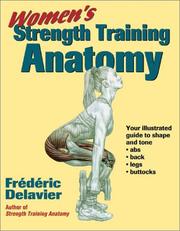
A visually rich anatomical reference that helps the reader understand exactly which muscles each exercise targets around the knee — essential for executing rehab programs with precision and confidence.
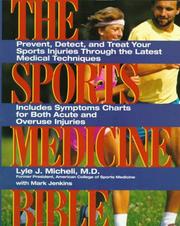
A clinician-authored, condition-by-condition guide to sports injuries including the knee, covering diagnosis, conservative treatment, and rehab exercises in a format that complements professional care without replacing it.
Long-Term Resilience & Staying Pain-Free
ExpertSynthesize everything into a long-term lifestyle approach — managing flare-ups, maintaining joint health through decades, and understanding the role of sleep, nutrition, and stress in chronic pain.
▸ Study plan for this stage
Pace: 4–5 weeks, ~40–50 pages/day. Start with "Why We Sleep" (Week 1–2, ~300 pages), then "Exercised" (Week 3–5, ~400 pages). Allocate 2–3 days per week for integration work between books.
- Sleep architecture (NREM, REM cycles) and its role in tissue repair, immune function, and chronic pain modulation
- Sleep deprivation's direct impact on pain sensitivity, inflammation, and joint degradation
- The evolutionary mismatch between modern sleep patterns and human physiology, and how to restore natural sleep
- Movement as a fundamental human need: the distinction between exercise, physical activity, and sedentary behavior
- How evolutionary movement patterns (varied, low-intensity, functional) differ from modern gym-based exercise and why both matter for joint health
- The dose-response relationship between exercise and injury risk—why more is not always better for chronic pain management
- Integration framework: using sleep optimization and intelligent movement patterns as pillars of long-term knee pain resilience
- Personalization: adapting sleep and movement strategies to individual genetics, lifestyle constraints, and pain history
- How do NREM and REM sleep cycles contribute specifically to knee joint repair and pain modulation, and what happens to these processes during chronic sleep deprivation?
- What is the relationship between sleep duration/quality and pain sensitivity thresholds, and how does this mechanism explain why poor sleep worsens knee pain?
- According to Walker, what are the primary barriers to modern sleep (circadian misalignment, light exposure, temperature), and which are most actionable for someone managing chronic knee pain?
- How does Lieberman distinguish between 'exercise' (structured, intense activity) and 'physical activity' (incidental movement), and why does this distinction matter for long-term knee health?
- What does Lieberman mean by evolutionary mismatch in movement, and how should someone with knee pain think about reintroducing varied, low-intensity movement into daily life?
- According to the dose-response relationship in 'Exercised', at what point does increased exercise intensity or volume become counterproductive for someone with a history of knee pain?
- Sleep audit: Track your sleep for 7 days (bedtime, wake time, quality, pain levels upon waking). Identify one circadian disruptor from Walker's work (e.g., blue light, room temperature, caffeine timing) and modify it for 2 weeks, measuring knee pain trends.
- Sleep optimization protocol: Implement 3–4 of Walker's evidence-based sleep hygiene practices (consistent sleep schedule, cool bedroom, no screens 1 hour before bed, morning light exposure) and document how knee pain and stiffness change over 3 weeks.
- Movement audit: For 5 days, log all physical activity (structured exercise, walking, sitting, standing, occupational movement). Categorize each as 'exercise,' 'physical activity,' or 'sedentary,' then identify opportunities to increase incidental movement per Lieberman's framework.
- Evolutionary movement experiment: Introduce one 'ancestral' movement pattern daily for 2 weeks (e.g., barefoot walking on varied terrain, squatting, crawling, climbing stairs slowly). Document knee pain, range of motion, and subjective stability changes.
- Dose-response journal: For 4 weeks, track exercise type, duration, intensity, and knee pain/swelling 24 hours later. Plot the relationship and identify your personal threshold where more activity worsens pain—this is your individual dose-response curve.
- Sleep-pain correlation study: On nights when you achieve 7–9 hours of quality sleep (per Walker's recommendations), rate your knee pain the next day. Compare to nights with <6 hours. Document at least 20 data points to establish your personal sleep-pain link.
Next up: This stage synthesizes sleep and movement as the foundational pillars of long-term knee resilience; the next stage would deepen personalization by integrating nutrition, stress management, and individual flare-up protocols into a comprehensive, decade-spanning maintenance plan.
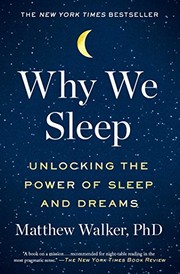
Sleep is one of the most powerful and overlooked variables in tissue repair and pain modulation — this book provides the evidence and motivation to treat sleep as an active part of any rehab plan.

A Harvard evolutionary biologist's evidence-based argument for lifelong movement as the default state of human health, giving the reader a durable philosophical and scientific framework for keeping their knees — and whole body — resilient for life.
Discussion
Keep reading
Paths that share books, cover the same subject, or open a related topic.