Hearing loss is rarely just an audiogram. It reshapes conversations, work, relationships, and identity, which is why the most useful reading order starts with lived experience before it reaches the medical and technical details. If you begin with device manuals, you miss the emotional terrain; if you begin with culture, you may lack the grounding to place it.
This path moves from candid memoirs, through the practical world of hearing aids and cochlear implants, into the wider debate about noise and, finally, deaf culture and community. Read this way, the facts land inside a human story rather than floating free.
Begin with lived experience
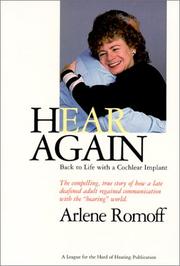
Open with Shouting Won't Help by Katherine Bouton, a clear-eyed account of losing hearing in midlife that names the grief and stigma honestly. Follow it with The Way I Hear It A Life with Hearing Loss by Gael Hannan for warmth and hard-won coping strategies, then Hear Again by Arlene Romoff, whose journey through a cochlear implant bridges you naturally into the technology.
The technology and the medicine
Now get practical. Cochlear Implants: What You Need to Know by John Niparko explains the device and the decision from a leading surgeon's view, and The ear book by Thomas J. Balkany gives you the anatomy and clinical picture behind it all. Widen out with Noise by Garret Keizer, a thoughtful meditation on sound, silence, and what we lose to a loud world.
Rebuilding and belonging
Finish where identity is remade. Rebuilt by Michael Chorost is a striking story of hearing restored through technology and what that does to a sense of self, while Deaf again by Mark Drolsbaugh moves in the opposite direction, into Deaf culture, language, and community. Close with Hearing Loss: A Guide for Patients and Families by David Myers, a practical, reassuring reference for the whole household.
Books guide and console, but they do not replace an audiologist or ENT for diagnosis, fitting, and treatment. Read the path in order, share a title with the people who talk with you daily, and treat the technology chapters as questions to bring to your clinician.
Follow the full reading path →
Ready to learn something deeply?
Build a reading path — free