Snoring gets treated as a bedroom annoyance, but sleep apnea is a serious, whole-body condition, and confusing the two is the first mistake. The right reading order fixes that: understand why sleep matters and how it works, then learn what apnea actually is, then get concrete about CPAP and the newer breathing and airway approaches.
Read in this sequence and you avoid two traps: dismissing apnea as mere snoring, and chasing quick fixes before you understand the mechanism. The path builds the big picture first so the practical chapters make sense.
Why sleep matters
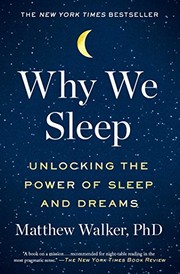
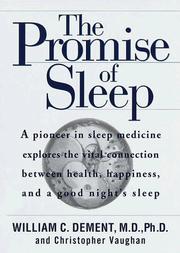
Start with Why We Sleep by Matthew P. Walker, the modern touchstone on why sleep is non-negotiable for health. Pair it with The promise of sleep by William C. Dement, from the pioneer of sleep medicine, for the field's foundations. These establish the stakes so apnea reads as a genuine health issue, not a lifestyle quirk.
What apnea is and how to treat it
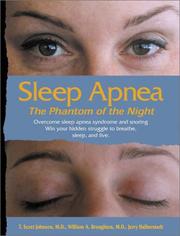
Now go specific. Sleep apnea, the phantom of the night by T. Scott Johnson is a clear patient-facing explanation of the condition, and Snoring and Sleep Apnea by Ralph Pascualy rounds out the clinical picture. When you reach treatment, CPAP Survival Guide by Gary Zeidberg is the practical, been-there companion for making therapy actually work, and Sleep, Interrupted by Steven Y. Park MD connects apnea to airway anatomy and a wider set of symptoms.
Breathing, the airway, and the bigger picture
Finish with the airway-and-breathing angle that has reshaped the conversation. Breath by James Nestor is the accessible entry point on how we breathe and why it matters, The oxygen advantage by Patrick McKeown gets into practical breathing retraining, and The sleep solution by W. Chris Winter gives a sleep neurologist's grounded troubleshooting guide. Close with Jaws by Sandra Kahn on how jaw and airway development underlie many cases.
Sleep apnea needs a real diagnosis, usually a sleep study, and these books do not replace that or your physician's treatment plan. Read the path in order, bring your questions to a sleep clinic, and use the CPAP chapters to stick with therapy rather than abandon it.
Follow the full reading path →
Ready to learn something deeply?
Build a reading path — free