Best books on lupus and managing autoimmune flares
This curriculum moves from personal understanding and emotional grounding, through practical daily management, and finally into deeper medical and advocacy knowledge — all while keeping rheumatology care at the center. Each stage builds the vocabulary, confidence, and tools needed for the next, so the reader never feels overwhelmed but steadily becomes their own best advocate.
Foundations: Understanding Your Diagnosis
BeginnerGrasp what lupus is, how it affects the body, and feel less alone — building the core vocabulary and emotional footing needed for everything that follows.
▸ Study plan for this stage
Pace: 4–5 weeks, ~25–30 pages/day. Start with "The Lupus Book" (approximately 300 pages) over 2–3 weeks, then "Lupus" by Radziunas (approximately 150–200 pages) over 1–2 weeks, allowing time for reflection and note-taking between sections.
- Lupus is a systemic autoimmune disease where the immune system attacks the body's own tissues and organs, with highly variable presentations across individuals
- The pathophysiology of lupus: how autoantibodies (particularly anti-DNA and anti-histone) form and trigger inflammation in joints, skin, kidneys, heart, and other organs
- The spectrum of lupus types: discoid lupus, systemic lupus erythematosus (SLE), drug-induced lupus, and neonatal lupus—each with distinct characteristics and prognoses
- Diagnostic criteria and common lab findings: ANA tests, complement levels, ESR/CRP, and how doctors differentiate lupus from other autoimmune conditions
- The unpredictable nature of lupus flares and remissions, and how individual triggers (UV exposure, stress, infections, hormones) vary widely
- Emotional and social dimensions of living with a chronic, invisible illness: grief, identity shifts, and the importance of building a support network
- First-line and advanced treatment options: NSAIDs, antimalarials, corticosteroids, immunosuppressants, and biologics—their mechanisms and trade-offs
- Self-advocacy and partnership with healthcare providers as essential skills for managing a complex, unpredictable disease
- What is lupus at the cellular and immune level, and why does it affect different people in such different ways?
- How do autoantibodies cause tissue damage, and what are the most commonly affected organ systems in SLE?
- What are the main differences between discoid lupus, systemic lupus erythematosus, and drug-induced lupus?
- What blood tests and clinical findings help doctors diagnose lupus, and what do they reveal about disease activity?
- What are common lupus triggers, and how can you begin to identify your own patterns?
- What are the primary medication classes used to treat lupus, and what are the benefits and risks of each?
- How can you build emotional resilience and a support network when facing a diagnosis of chronic illness?
- Create a personal lupus glossary: define 15–20 key terms from both books (e.g., ANA, complement, flare, remission, antimalarial) in your own words, with one real-world example for each.
- Map your own symptom timeline: write down any symptoms you've experienced before diagnosis, during diagnosis, and since—note patterns, seasonal changes, and potential triggers.
- Build a 'lupus at a glance' one-page visual summary: use diagrams, icons, or flowcharts to show how lupus affects different organ systems and what warning signs to watch for.
- Interview or journal with a healthcare provider question: list 10–15 specific questions you want to ask your rheumatologist, organized by category (diagnosis, treatment, lifestyle, prognosis).
- Identify your support network: write down 5–10 people (medical professionals, family, friends, online communities) you can turn to, and note what each person offers (expertise, emotional support, practical help).
- Compare treatment options in a decision matrix: create a table listing medications mentioned in the books, their benefits, side effects, and monitoring requirements—use this to prepare for treatment conversations with your doctor.
Next up: This foundation in lupus biology, diagnosis, and emotional reality equips you to move into the next stage—practical daily management—where you'll learn concrete strategies for monitoring your health, managing medications, and adapting your lifestyle to thrive despite the disease.

Written by one of the world's leading lupus rheumatologists, this is the definitive patient-facing overview of lupus biology, symptoms, and treatments. Read it first to build accurate medical vocabulary and a clear picture of the disease.
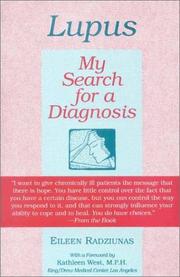
A patient's honest memoir of the diagnostic journey that validates the confusion and frustration many newly diagnosed people feel. Reading a lived experience right after the medical overview helps ground the science in real life.
Daily Life: Symptoms, Flares, and Self-Management
BeginnerLearn practical, evidence-informed strategies for managing fatigue, pain, flares, and daily routines — turning knowledge into actionable habits.
▸ Study plan for this stage
Pace: 4–5 weeks, ~25–30 pages/day with 2–3 reflection days per week
- The autoimmune protocol (AIP) as a systematic elimination diet to identify personal food triggers and inflammatory responses
- The four pillars of autoimmune wellness: nutrition, lifestyle, stress management, and mindset
- How to recognize individual symptom patterns and create a personalized symptom tracking system
- Practical strategies for managing energy and pacing activities to prevent and minimize flares
- The role of sleep, movement, and rest in supporting immune regulation and reducing fatigue
- How to communicate symptoms and needs to healthcare providers and loved ones
- Building sustainable habits and self-compassion as core tools for long-term disease management
- What is the autoimmune protocol (AIP), and how does the elimination and reintroduction process help identify your personal food triggers?
- What are the four pillars of autoimmune wellness, and how do they work together to support daily symptom management?
- How can you create and use a symptom tracking system to recognize your personal flare patterns and early warning signs?
- What are evidence-based pacing and energy management strategies, and how do you apply them to your daily routine?
- How do sleep, gentle movement, and stress management directly impact your fatigue levels and flare frequency?
- What communication strategies help you advocate for your needs with healthcare providers and family members?
- Start a symptom and energy log: track your daily fatigue level, pain, mood, sleep quality, and food intake for 1–2 weeks to establish a baseline before making changes
- Design your personal AIP elimination phase: plan a 30-day elimination meal plan removing common inflammatory foods, and prepare a shopping list and simple recipes
- Create a flare trigger map: review your symptom log and identify 3–5 patterns (e.g., specific foods, stress, overactivity) that precede flares
- Build a pacing schedule: map out your typical week and identify high-demand activities; practice breaking tasks into smaller chunks with rest intervals
- Develop a sleep and rest protocol: establish a consistent bedtime routine, set a realistic sleep target, and schedule 2–3 'rest days' into your weekly calendar
- Write a personal advocacy statement: draft a 1–2 paragraph summary of your key symptoms, triggers, and needs to share with your doctor and close family
Next up: This stage equips you with concrete self-management tools and a deeper understanding of your individual symptom patterns, preparing you to move forward into more advanced topics such as long-term disease monitoring, medication management, and building a sustainable wellness lifestyle.

A step-by-step lifestyle guide covering nutrition, stress, sleep, and movement for autoimmune conditions including lupus. It introduces the concept of holistic self-management before diving into disease-specific tactics.
Mind and Body: Emotional Resilience and Mental Health
IntermediateDevelop psychological resilience, manage the grief and anxiety that accompany chronic illness, and build a sustainable relationship with your condition long-term.
▸ Study plan for this stage
Pace: 6–8 weeks, ~25–30 pages/day with reflection breaks. Week 1–3: "How to be Sick" (approximately 240 pages); Week 4–8: "The Chronic Illness Workbook" (work through exercises at a sustainable pace, 15–20 pages/day).
- Buddhist-inspired acceptance and mindfulness as tools for managing chronic illness rather than fighting it
- The distinction between pain/symptoms and suffering, and how mental resistance amplifies distress
- Cognitive reframing: transforming unhelpful thoughts about illness into compassionate, realistic ones
- The four-phase illness trajectory model (crisis, stabilization, integration, and acceptance phases) and where you are in your journey
- Building a sustainable identity that integrates illness rather than being defined or erased by it
- Practical self-compassion practices and how they reduce anxiety and emotional overwhelm
- The role of social connection and communication in emotional resilience with chronic illness
- Grief as a normal, necessary process in adjusting to long-term health changes
- What is the difference between pain and suffering according to Bernhard, and how can you apply this distinction to your own experience with lupus?
- Describe the four phases of chronic illness. Which phase do you identify with currently, and what does that tell you about your emotional needs?
- What are three unhelpful thought patterns you notice about your illness, and how could you reframe them using compassion instead of self-criticism?
- How has your sense of identity shifted since your lupus diagnosis, and what practices from these books help you integrate illness into a whole sense of self?
- What specific grief or loss related to your illness have you not yet fully acknowledged, and how might naming it help your healing?
- How do the mindfulness and acceptance practices in 'How to be Sick' differ from 'positive thinking' or denial, and why does this distinction matter?
- Daily mindfulness practice: Spend 10 minutes each day following one of Bernhard's guided meditations or body-scan exercises; journal what you notice about your relationship to physical sensations without judgment.
- Thought-reframing journal: Identify one unhelpful thought about your illness each day (e.g., 'I'm broken,' 'I'll never get better'). Write it down, then rewrite it using self-compassion and realistic acknowledgment.
- Four-phase self-assessment: Complete the workbook's assessment of which phase of chronic illness you're in. Write a 1–2 page reflection on what this phase means for your emotional needs and next steps.
- Grief inventory: List losses you've experienced due to lupus (activities, independence, identity, relationships, etc.). Choose one loss and spend a week journaling about it without trying to 'fix' the feeling.
- Communication practice: Using Bernhard's principles, write a letter to someone important explaining how lupus affects you emotionally and what support you actually need. (You may or may not send it.)
- Self-compassion ritual: Design a personal practice from the workbook exercises that soothes you when anxiety or grief arises—this might be a specific phrase, a physical gesture, or a brief ritual—and practice it 3–4 times per week.
Next up: With emotional resilience and acceptance practices now grounded in your daily life, you're ready to move forward into practical strategies for managing lupus symptoms, medical decision-making, and building a sustainable lifestyle that honors both your condition and your goals.

A Buddhist-inspired, widely praised guide to accepting and adapting to chronic illness without despair. By this stage the reader understands their disease and is ready to work on the mental framework needed to live well with it.
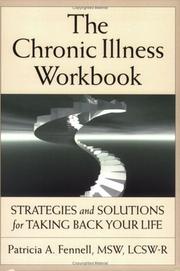
A structured, phase-based workbook that helps patients process the identity shifts and emotional cycles of chronic illness. Its exercises build directly on the acceptance concepts introduced by Bernhard.
Going Deeper: Medical Nuance and Patient Advocacy
IntermediateUnderstand the medical complexity of lupus — including organ involvement, medications, and lab work — and become a confident, informed partner in your own rheumatology care.
▸ Study plan for this stage
Pace: 8–10 weeks, ~25–30 pages/day. Start with "Lupus Q&A" (weeks 1–4, ~200 pages), then move to "The Autoimmune Connection" (weeks 5–10, ~250 pages). Build in 1 week for review and integration.
- Organ-specific lupus manifestations: how lupus affects kidneys, heart, lungs, nervous system, and blood cells differently, and why early detection matters
- Immunological mechanisms: understanding autoantibodies (ANA, anti-dsDNA, anti-Smith), complement levels, and what abnormal lab values actually mean for your disease activity
- Medication classes and trade-offs: corticosteroids, antimalarials, immunosuppressants, and biologics—their mechanisms, benefits, side effects, and when each is appropriate
- Lab work interpretation: reading your own lab results (CBC, CMP, urinalysis, ESR, CRP) and recognizing patterns that signal flares or organ involvement
- Rheumatology partnership: how to communicate with your doctor, ask informed questions, track symptoms, and advocate for yourself between appointments
- Systemic nature of lupus: recognizing how lupus affects multiple body systems simultaneously and why a holistic treatment approach is essential
- Sex, hormones, and lupus: understanding how estrogen, pregnancy, and hormonal contraceptives interact with lupus disease activity
- Comorbidity management: addressing cardiovascular risk, bone health, and infection prevention as part of long-term lupus care
- What are the major organ systems lupus can affect, and what are the warning signs of involvement in each (kidneys, heart, lungs, CNS, blood)?
- How do you interpret your own lab results (ANA, anti-dsDNA, complement, CBC, urinalysis), and what do abnormal values tell you about disease activity?
- What are the main medication classes used to treat lupus, how do they work, and what are their key side effects and monitoring requirements?
- How would you prepare for and conduct a productive rheumatology appointment to advocate effectively for your care?
- What lifestyle and hormonal factors (pregnancy, contraception, sun exposure, stress) can influence lupus disease activity, and how do you manage them?
- Why is early detection and treatment of organ involvement critical, and what screening should you expect from your rheumatologist?
- Create a personal 'organ involvement tracker': list each major organ system, note any symptoms you've experienced, and document corresponding lab abnormalities from your own medical records.
- Build a medication reference card: for each drug you take or might take, write down its class, mechanism, main side effects, and monitoring labs—use it as a quick reference before appointments.
- Practice lab interpretation: obtain copies of your last 3–4 lab panels and annotate them with normal ranges, your values, and what changes mean for your disease activity.
- Conduct a mock rheumatology appointment: write down 5–7 specific, informed questions you'd ask your doctor about your current treatment plan, organ involvement, or medication side effects.
- Map your personal lupus triggers: document patterns over 4 weeks linking sun exposure, stress, sleep, hormonal cycle, and diet to symptom flares and lab changes.
- Create a 'questions for next appointment' document: after reading each book section, jot down clinical questions that arise and bring them to your actual rheumatology visit.
Next up: This stage equips you with the medical literacy and self-advocacy skills to understand your disease and partner confidently with your care team; the next stage will likely focus on integrating this knowledge into long-term lifestyle management, psychosocial resilience, and optimizing quality of life despite lupus.

Written in a clear question-and-answer format by a leading lupus specialist, this book addresses the nuanced questions patients bring to appointments. It bridges the gap between foundational knowledge and real clinical conversations.

Explores how lupus overlaps with other autoimmune diseases, hormonal factors, and systemic complications — giving the reader a broader context for understanding their lab results and specialist referrals.
Thriving Long-Term: Community, Research, and the Future
ExpertConnect with the broader lupus community, understand emerging research, and shift from managing the disease to truly thriving and advocating for yourself and others.
▸ Study plan for this stage
Pace: 6–8 weeks, ~25–30 pages/day, with 2–3 reflection days per week
- Chronic illness as a lived experience: how lupus shapes identity, relationships, and daily existence beyond medical metrics
- The patient narrative and medical gaslighting: recognizing when symptoms are dismissed and advocating for yourself within healthcare systems
- Invisible illness and social isolation: understanding how lupus remains hidden to others while profoundly affecting the person living with it
- Systemic barriers in medicine: how diagnostic delays, gender bias, and institutional gaps complicate lupus care and affect marginalized communities
- Building community and finding solidarity: connecting with others who share chronic illness experiences and reducing the shame and isolation
- Redefining thriving: shifting from survival mode and symptom management to building a meaningful life alongside lupus
- Advocacy and activism: using your story and knowledge to push for better research, policy, and support systems for lupus patients
- How do Khakpour and O'Rourke each describe the experience of having symptoms dismissed or misdiagnosed, and what impact did this have on their ability to advocate for themselves?
- What role does community and connection play in both authors' journeys toward acceptance and thriving with chronic illness?
- How do Khakpour and O'Rourke describe the gap between how others perceive their illness (or don't perceive it) and their internal reality?
- What systemic or institutional barriers to diagnosis and care do these authors identify, and how do these barriers intersect with identity (gender, race, class, etc.)?
- How do both authors redefine success, health, and 'thriving' in the context of living with a chronic illness?
- What concrete strategies or mindset shifts do Khakpour and O'Rourke describe that helped them move from managing illness to building a life they value?
- Read 'Sick' by Porochista Khakpour (approximately 300 pages) over 2–3 weeks, taking notes on moments when Khakpour's symptoms were dismissed or misunderstood, and reflect on how these experiences mirror your own or those of people you know.
- Read 'The Invisible Kingdom' by Meghan O'Rourke (approximately 350 pages) over 2–3 weeks, highlighting passages that resonate with your understanding of invisible illness and noting how O'Rourke's investigative approach differs from Khakpour's memoir.
- Write a personal narrative (500–750 words) about a time you had to advocate for yourself in a medical setting or when your illness was misunderstood—use the authors' examples as inspiration for honest, detailed storytelling.
- Create a 'community map': identify 3–5 communities (online forums, support groups, social media, local organizations) related to lupus or chronic illness where you could connect with others; spend time in at least two of these spaces and document what you learn or who you meet.
- Conduct a 'barriers audit': list the systemic or institutional obstacles you've encountered in getting diagnosed, treated, or supported for lupus; compare your list with the barriers Khakpour and O'Rourke describe and identify one advocacy action you could take.
- Interview or have a conversation with someone else living with lupus or a chronic illness (in person, by phone, or online); ask them how they've redefined thriving and what community has meant to them; reflect on what you learn.
Next up: This stage equips you with a deeper understanding of the lived experience of lupus, the systemic barriers that complicate care, and the power of community and narrative—preparing you to move into the next stage where you'll develop concrete self-advocacy strategies, build your own support network, and create a personalized long-term thriving plan.

A powerful literary memoir about navigating a complex, misunderstood autoimmune illness through the medical system — sharpens the reader's advocacy instincts and deepens empathy for the systemic challenges patients face.

A critically acclaimed investigation into chronic and autoimmune illness, blending memoir with science journalism. It equips the advanced reader to engage with emerging research and understand the future landscape of autoimmune care.
Discussion
Keep reading
Paths that share books, cover the same subject, or open a related topic.