Rosacea is easy to misread. The redness looks like something you can scrub or treat away, but aggressive products usually make it worse. That is why order matters here: you want to understand what a sensitive, reactive skin barrier actually is before you start changing your routine, and you want general skincare literacy before you chase rosacea-specific tactics.
The books below move from broad dermatology, to gentle-first skincare habits, to rosacea specifics and the trigger and microbiome angles. Read them in sequence and you will make fewer of the classic mistakes: over-exfoliating, stacking actives, and treating flares as failures rather than data.
Start with the skin itself
Begin with The Skincare Bible by dermatologist Anjali Mahto, which grounds you in how skin works and which claims to distrust. From there, Skin cleanse by Adina Grigore makes the case for stripping your routine back to essentials, a useful counterweight if your current regimen is doing too much. These two set the mindset: less, but better.
Rosacea specifics and everyday routines
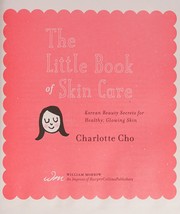
Now go targeted. Rosacea: Your Self-Help Guide by Arlen Brownstein walks through the condition, its subtypes, and practical management. The Rosacea Diet by Dana Myatt looks at the food-and-flare connection many people notice but few track carefully. Balance the specifics with two calm, well-loved skincare guides: The little book of skin care by Charlotte Cho for a gentle everyday framework, and Skincare: The Ultimate No-Nonsense Guide by Caroline Hirons for straight-talking product advice you can actually follow.
Go deeper: barrier, microbiome, and the science
Finally, widen the lens. The beauty of dirty skin by Whitney Bowe connects skin health to the gut and inflammation, while The Whole-Body Microbiome by B. Brett Finlay explores the microbial ecosystem that increasingly appears in rosacea research. Close with Healthy skin by Rona M. Mackie for a clinical-grade reference to keep on the shelf.
Rosacea management is personal and slow, and books complement but do not replace a dermatologist, especially for prescription options. Read the path in order, keep a trigger diary as you go, and let the calmer routine prove itself over weeks, not days.
Follow the full reading path →
Ready to learn something deeply?
Build a reading path — free