Croissants and viennoiserie: the best books for laminated pastry
This curriculum takes you from the foundational principles of baking and pastry science all the way to the precise, professional techniques behind laminated doughs and classic viennoiserie. Each stage builds on the last — starting with baking intuition and bread fundamentals, moving through pastry technique, and culminating in the deep mastery of croissants, pain au chocolat, and buttery breakfast pastries at home.
Foundations: Baking Intuition & Dough Basics
BeginnerUnderstand how flour, water, yeast, butter, and heat interact — building the vocabulary and hands-on intuition needed before tackling laminated doughs.
▸ Study plan for this stage
Pace: 4–5 weeks, ~25–30 pages/day. Start with "How Baking Works" (weeks 1–2, ~200 pages), then "Bread Science" (weeks 3–5, ~250 pages). Allocate 2–3 days per week for hands-on practice.
- Flour composition: proteins (gluten), starches, and how they hydrate and develop structure
- Water's role in hydration, gluten development, and dough consistency; the concept of baker's percentage
- Yeast biology: fermentation, gas production, flavor development, and how temperature affects activity
- Butter's function in enriched doughs: fat coating, tenderizing, and how it differs from lamination
- Heat's effects during baking: starch gelatinization, protein coagulation, Maillard reaction, and crust formation
- Dough development stages: mixing, bulk fermentation, shaping, and proofing—and why each matters
- The relationship between hydration, gluten strength, and dough handling characteristics
- How do gluten proteins form networks, and what role does water play in this process?
- Explain the difference between how yeast ferments and how this affects both dough structure and flavor.
- What happens to starch and protein during baking, and how do these changes create structure and browning?
- How does butter function in an enriched dough, and why can't it simply replace water?
- What is baker's percentage, and how would you adjust a recipe if you wanted a wetter or drier dough?
- Describe the stages of bulk fermentation and why temperature control matters at each stage.
- Bake a simple lean dough (flour, water, salt, yeast) at two different hydration levels (60% and 70%) and compare handling, fermentation speed, and final crumb structure.
- Make two batches of enriched dough (brioche-style): one with cold butter mixed in, one with room-temperature butter. Document how butter incorporation affects mixing time and dough texture.
- Conduct a fermentation temperature experiment: divide one dough into three portions and bulk-ferment at 65°F, 75°F, and 85°F. Track rise time, smell, and flavor differences.
- Bake a simple dough and intentionally underbake, bake to golden, and overbake one loaf. Examine crust color, crumb structure, and internal moisture to observe Maillard reaction and starch gelatinization.
- Keep a detailed baking journal for each bake: record hydration %, fermentation times/temps, mixing method, and observations. Correlate notes with concepts from both books.
- Perform a gluten development test: mix a dough for 5 minutes, 10 minutes, and 15 minutes, then perform windowpane tests on each to observe protein network strength.
Next up: This stage equips you with the scientific foundation and intuitive feel for how basic doughs behave, preparing you to understand why laminated doughs (croissants, danishes) require precise temperature control, strategic butter placement, and multiple folds to create distinct layers.

A clear, science-first introduction to baking ingredients and processes. Reading this first demystifies gluten, fats, leavening, and heat — all critical for understanding why lamination works the way it does.

A concise, accessible guide to yeast, fermentation, and dough behavior. It builds the fermentation and proofing vocabulary you'll need when working with enriched, yeasted viennoiserie doughs.
Pastry Fundamentals: Butter, Dough & French Technique
BeginnerGet comfortable with classic French pastry logic, butter-forward doughs, and the home baker's approach to precision and mise en place before tackling lamination.
▸ Study plan for this stage
Pace: 4–5 weeks, ~25–30 pages/day, with 2–3 baking sessions per week
- The importance of mise en place and precision measurement in French pastry—why every gram matters before lamination
- How butter behaves in dough: temperature, plasticity, and the distinction between laminated and non-laminated applications
- Classic French dough foundations: pâte brisée, pâte sablée, and pâte sucrée—their ratios, mixing methods, and when to use each
- Keller's philosophy of technique-first baking: understanding the 'why' behind each step before executing it
- The role of hydration, gluten development, and rest periods in dough stability and flavor
- Home baker's approach to precision: scaling recipes, understanding ingredient ratios, and adapting professional techniques to a home kitchen
- Pfeiffer's emphasis on sensory cues and intuition alongside measurement—knowing when dough 'feels right'
- The foundational skills that make laminated doughs (croissants, danishes) possible: dough control, temperature management, and patience
- Why does Thomas Keller emphasize mise en place before mixing, and how does this preparation prevent common pastry failures?
- Explain the differences between pâte brisée, pâte sablée, and pâte sucrée in terms of fat content, mixing method, and final texture—when would you choose each?
- What is the ideal temperature range for butter when laminating, and why does Keller stress temperature control as non-negotiable?
- How does Jacquy Pfeiffer's approach to 'feel' and sensory cues complement precise measurement, and why are both necessary for consistency?
- Describe the relationship between hydration levels, gluten development, and rest periods in a basic French dough—how do these factors interact?
- What are the key differences between how Keller and Pfeiffer teach dough-making, and how do their philosophies prepare you for laminated doughs?
- Make pâte brisée (Keller's version from Bouchon Bakery) three times in succession, keeping detailed notes on temperature, mixing time, and texture—observe how consistency improves and what 'correct' feels like
- Prepare a complete mise en place for a single recipe before touching any ingredients; time yourself and reflect on how this prevents mid-recipe scrambling
- Bake pâte sablée and pâte sucrée side-by-side using the same base recipe but different fat ratios; taste and compare crumb structure, tenderness, and flavor to internalize the fat-texture relationship
- Make a basic French tart shell (blind-baked) using Keller's technique; practice docking, chilling, and weight management to understand why these steps prevent shrinkage and ensure even baking
- Follow Pfeiffer's guidance to make a dough by feel alone (after reading her sensory cues), then remake it with precise scales—compare results and identify which cues matter most
- Conduct a hydration experiment: make the same dough at 55%, 60%, and 65% hydration; document how each behaves during mixing, resting, and rolling to understand the range for lamination prep
Next up: Mastering these foundational doughs and the discipline of precision, temperature control, and mise en place equips you with the non-negotiable skills to tackle laminated doughs—where butter and dough must be balanced to exact specifications to create the hundreds of delicate layers that define a true croissant.
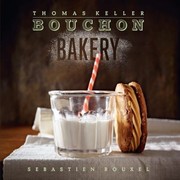
Keller's bakery bible introduces French pastry discipline and precision in an approachable format, including enriched doughs and buttery baked goods that share DNA with viennoiserie.

A professional pastry chef's foundational text that covers dough types, butter work, and classic French technique with clear explanations — ideal preparation for the lamination stage ahead.
Lamination & Viennoiserie: Core Technique
IntermediateMaster the lamination process — folding, chilling, layering butter into dough — and successfully bake croissants, pain au chocolat, and other classic viennoiserie at home.
▸ Study plan for this stage
Pace: 4–5 weeks, ~25–30 pages/day, with 2–3 baking sessions per week interspersed throughout
- The science of lamination: gluten development, butter plasticity, and steam generation between layers
- The three-fold and four-fold (book and letter) folding techniques and when to apply each
- Temperature management throughout the lamination process—dough temperature, butter temperature, and resting periods
- Hydration levels in laminated dough and how they differ from standard bread dough
- The role of détrempe (base dough) composition and its interaction with the beurrage (butter layer)
- Shaping techniques specific to croissants, pain au chocolat, and other viennoiserie forms
- Proofing strategies for laminated dough and recognizing proper fermentation without over-proofing
- Scoring, egg wash application, and baking conditions (steam, temperature curves) for optimal oven spring and color
- Explain the difference between a three-fold and a four-fold, and describe when you would use each in a lamination sequence
- Why is butter temperature critical during lamination, and what happens if the butter is too soft or too cold?
- What is the purpose of resting periods between folds, and how do you know when the dough is ready for the next fold?
- How does the hydration of laminated dough differ from standard bread dough, and why does this matter for layer separation?
- Describe the complete shaping process for a croissant from a laminated dough sheet, including how you ensure proper layering in the final product
- What visual and tactile cues indicate that your laminated dough is properly proofed and ready for the oven?
- How do steam and oven temperature work together to create oven spring and separation of layers in croissants?
- Make a basic détrempe (base dough) from 'Pâtisserie at home' and practice laminating it with butter using three-folds; document temperature readings and fold timing
- Complete a full lamination cycle (détrempe + beurrage + folds) and freeze at each stage to understand how cold storage affects dough behavior
- Shape and proof 12 croissants from a laminated dough sheet, using visual markers to track proofing progress and note when they reach optimal volume
- Bake a batch of croissants with steam and one without, comparing oven spring, layer separation, and crust color to understand steam's role
- Prepare pain au chocolat using the same laminated dough base, experimenting with different chocolate bar placements and fold techniques
- Make a batch of laminated dough and intentionally over-proof half of it; bake both batches side-by-side to observe the difference in final structure and taste
- Troubleshoot a failed lamination (using butter that was too soft or too hard) and document what went wrong; compare to a successful batch
Next up: This stage builds your muscle memory and intuition for lamination, preparing you to explore advanced viennoiserie variations, enriched laminated doughs (with eggs, milk, sugar), and troubleshooting techniques in the next stage.

Bridges the gap between pastry school and the home kitchen with step-by-step visual breakdowns of laminated doughs, making the folding and layering process concrete and reproducible.
Introduces croissants and viennoiserie at a higher level of refinement, with detailed recipes and professional insight into dough temperature, butter choice, and proofing that elevate home results.

Scheft's book includes exceptional enriched and laminated dough recipes — including his celebrated croissants — with unusually clear troubleshooting guidance perfect for the intermediate home baker.
Deep Mastery: Professional Secrets & Refinement
ExpertUnderstand viennoiserie at a professional and scientific depth — controlling fermentation, perfecting honeycomb crumb structure, and refining every variable from flour selection to oven steam.
▸ Study plan for this stage
Pace: 8–10 weeks, ~40–50 pages/day with 2–3 days/week dedicated to lab work and experimentation
- Fermentation science: temperature control, yeast metabolism, and how time/temperature/hydration affect flavor development and dough strength in laminated doughs
- Gluten network development and its role in trapping gas and creating honeycomb crumb structure in croissants and viennoiserie
- Lamination mechanics: dough relaxation, gluten orientation, fat distribution, and the physics of creating distinct, even layers
- Flour selection and composition: protein content, ash, enzyme activity, and how different flours behave in laminated vs. enriched doughs
- Oven environment optimization: steam injection timing, temperature ramping, and how Maillard and caramelization reactions affect crust color and interior crumb
- Enriched dough formulation: balancing fat, sugar, eggs, and hydration to maintain lamination integrity while achieving tender, flavorful crumb
- Troubleshooting at a molecular level: diagnosing greasy layers, dense crumb, uneven rise, and poor color through understanding dough chemistry
- Scaling and consistency: translating lab precision to production, managing variables across batches, and building reproducible systems
- How do fermentation temperature and duration affect gluten strength, flavor development, and final crumb structure in croissants, and what trade-offs exist between speed and quality?
- Explain the role of gluten orientation during lamination and why resting periods between folds are critical to maintaining layer integrity and preventing fat smearing.
- What flour characteristics (protein %, ash, enzyme activity) make a flour suitable for laminated doughs vs. enriched doughs, and how would you test or adjust for these properties?
- Describe the sequence of chemical reactions (Maillard, caramelization, starch gelatinization) that occur in the oven and how steam, temperature, and timing control crust development and interior crumb set.
- How do fat, sugar, and egg content in enriched doughs affect lamination mechanics, and what adjustments would you make to a croissant formula to create a pain au chocolat?
- What are the root causes of common defects (greasy layers, dense crumb, uneven rise, pale crust) and how would you diagnose and correct them using fermentation, hydration, or oven adjustments?
- Conduct a fermentation temperature experiment: make three identical croissant doughs fermented at 18°C, 22°C, and 26°C; document rise times, flavor, and final crumb structure to quantify the relationship between temperature and quality.
- Perform a lamination mechanics study: intentionally vary rest times between folds (30 min, 1 hour, 2 hours) and measure layer thickness, fat distribution, and final oven spring to understand gluten relaxation requirements.
- Test flour variability: source three flours with different protein levels (10%, 12%, 14%) and make identical croissant batches; measure hydration tolerance, lamination ease, and crumb structure to calibrate your flour selection.
- Execute a steam and temperature protocol: bake croissants with different oven profiles (dry start, early steam, late steam; 200°C vs. 220°C) and analyze crust color, interior moisture, and layer definition to optimize your oven technique.
- Develop an enriched dough formula: create a pain au chocolat or pain aux raisins by adjusting a base croissant formula for sugar, fat, and egg content; document how these additions affect lamination difficulty and final texture.
- Build a troubleshooting case study: intentionally create a defective batch (over-fermented, under-rested, wrong flour, poor steam), diagnose the root cause using the chemistry from Myhrvold and Migoya, and correct it in a follow-up batch.
Next up: This stage equips you with the scientific and technical mastery to understand why professional viennoiserie succeeds or fails, preparing you to either teach these principles to others, scale production with precision, or innovate new formulas and techniques grounded in chemistry rather than tradition alone.

The most exhaustive scientific treatment of bread and enriched dough available — its chapters on lamination, fermentation, and fat behavior give you the 'why' behind every croissant variable, enabling true mastery.

A professional-level text by a leading pastry chef that addresses flavor development, texture refinement, and the compositional thinking needed to push viennoiserie beyond the recipe and into creative, consistent excellence.
Discussion
Keep reading
Paths that share books, cover the same subject, or open a related topic.