The Best Books on Managing Eczema and Psoriasis
This curriculum takes you from understanding the basics of skin health and inflammation, through practical day-to-day management of eczema and psoriasis, and finally into deeper clinical and integrative perspectives that complement your dermatology care. Each stage builds on the last — first establishing vocabulary and biology, then equipping you with actionable routines, and finally deepening your understanding of triggers, systemic connections, and long-term management.
Foundations: Understanding Your Skin
BeginnerUnderstand how healthy skin works, what goes wrong in inflammatory skin conditions, and the basic language used by dermatologists — so every later book makes immediate sense.
▸ Study plan for this stage
Pace: 2-3 weeks, ~20-30 pages/day (approximately 200-250 pages total)
- The structure and function of healthy skin: epidermis, dermis, and subcutaneous layers
- The skin barrier (stratum corneum) and how it protects against irritants and pathogens
- How inflammation develops in the skin and what triggers it
- The role of the microbiome in skin health and disease
- Common misconceptions about skin cleansing and how conventional products disrupt skin function
- The difference between irritant and allergic reactions in skin conditions
- How eczema and psoriasis represent breakdowns in barrier function and immune regulation
- What are the main layers of the skin and what role does each play in protection and health?
- How does the skin barrier work, and what happens when it becomes compromised?
- What is the skin microbiome and why does it matter for conditions like eczema and psoriasis?
- How do conventional cleansing practices damage skin health, according to Grigore's approach?
- What is the difference between irritant dermatitis and allergic contact dermatitis?
- Why do inflammatory skin conditions like eczema and psoriasis develop, and what are the underlying mechanisms?
- Map out the layers of your own skin on paper, labeling each layer and writing 2-3 sentences about its function
- Audit your current skincare routine: list every product you use and identify which ingredients might be disrupting your barrier based on Grigore's criteria
- Keep a 1-week skin observation journal: note your skin's appearance, texture, and any irritation, then correlate it with products used and environmental factors
- Create a comparison chart of 'conventional' vs. 'skin-cleanse' approaches to cleansing, listing the reasoning behind each
- Interview someone with eczema or psoriasis (or research case studies in the book) and identify which barrier-function or microbiome factors are at play
- Design a simplified skincare routine for yourself using only 2-3 products that support barrier health, with written justification for each choice
Next up: Understanding how skin works normally and how it breaks down in inflammatory conditions provides the foundation to explore specific treatments, management strategies, and deeper scientific research on eczema and psoriasis in subsequent stages.
A clear, jargon-free introduction to how skin functions, written by a practicing dermatologist. It builds the foundational vocabulary — barrier function, inflammation, triggers — that underpins everything about eczema and psoriasis.

Introduces the concept of skin as a reactive, living organ shaped by lifestyle and environment. Reading this second helps beginners start thinking about external triggers before diving into condition-specific books.
Eczema: Know It, Manage It
BeginnerUnderstand eczema (atopic dermatitis) specifically — its causes, flare triggers, the itch-scratch cycle, and how to build a practical skincare and treatment routine alongside medical care.
▸ Study plan for this stage
Pace: 4–5 weeks, ~25–30 pages/day. Start with "The Eczema Diet" (weeks 1–2), then move to "Eczema-Free for Life" (weeks 3–5). Allow 2–3 days between books for consolidation and meal/skincare planning.
- Atopic dermatitis (eczema) as an inflammatory skin condition with genetic and environmental triggers
- The itch-scratch cycle and how to interrupt it through barrier repair and trigger avoidance
- Food sensitivities and dietary inflammation as major eczema flare triggers, and how to identify personal triggers through elimination and reintroduction
- The role of gut health, microbiome balance, and anti-inflammatory foods in managing eczema from the inside
- Skincare fundamentals: gentle cleansing, proper moisturizing, and the importance of ceramides and natural oils for barrier restoration
- Stress, sleep, and environmental factors (humidity, temperature, irritants) as modifiable flare triggers
- Integrating medical treatments (topical steroids, antihistamines) with lifestyle and dietary management for comprehensive control
- What is the itch-scratch cycle and what are three practical strategies to break it?
- According to 'The Eczema Diet,' what are the most common food triggers for eczema, and how do you conduct an elimination diet to identify your personal triggers?
- How does gut health and the microbiome relate to eczema flares, and what dietary changes can support a healthier gut?
- What are the key components of an eczema-safe skincare routine, and why is barrier repair more important than treating inflammation alone?
- Name five environmental or lifestyle factors that can trigger or worsen eczema flares, and describe one practical modification for each.
- How should you integrate dietary management, skincare, stress reduction, and medical treatments into a sustainable daily eczema management plan?
- Create a personal eczema trigger diary: track food intake, stress levels, sleep, weather, and skincare products for 2 weeks alongside any flare activity to identify your unique patterns.
- Design a 4-week elimination diet plan based on 'The Eczema Diet' principles; remove common trigger foods, then reintroduce one at a time and document any skin reactions.
- Audit your current skincare routine: list all products, identify irritants or missing ceramides, and rebuild a minimalist routine using the barrier-repair principles from 'Eczema-Free for Life.'
- Prepare 5–7 anti-inflammatory, eczema-friendly recipes from 'The Eczema Diet' and meal-prep them for one week to test tolerability and establish sustainable eating habits.
- Create a daily eczema management checklist combining skincare (cleanse, moisturize, times), supplements/foods to include, stress/sleep targets, and medication timing; test it for one week and refine.
- Interview or survey 2–3 people with eczema about their biggest triggers and most effective management strategies; compare their experiences to the frameworks in both books and identify commonalities.
Next up: This stage equips you with a deep, practical understanding of eczema's root causes and personal management strategies, preparing you to explore psoriasis in the next stage and recognize how the two conditions differ in triggers, pathophysiology, and treatment approaches.

A widely-read, practical guide that connects food triggers to eczema flares and outlines an elimination-style approach to identifying personal triggers — a natural first step after understanding skin basics.

Written by a board-certified dermatologist, this book explains the medical science of eczema and translates it into a clear management plan, bridging the gap between what your doctor says and what you do at home.
Psoriasis: Know It, Manage It
IntermediateUnderstand psoriasis as a distinct autoimmune condition — its triggers, systemic connections (joints, gut, stress), and how to manage flares while working with a dermatologist.
▸ Study plan for this stage
Pace: 4–5 weeks, ~25–30 pages/day (approximately 150–170 pages total)
- Psoriasis as an autoimmune-mediated inflammatory condition with distinct pathophysiology (T-cell activation, cytokine dysregulation) versus other skin conditions
- Common and uncommon triggers: stress, infection, medications, trauma, and how to identify personal trigger patterns
- Systemic manifestations: psoriatic arthritis, metabolic syndrome, cardiovascular risk, and gut-skin axis connections
- Flare management strategies: topical treatments, phototherapy, systemic therapies, and when to escalate care
- The role of stress, sleep, diet, and lifestyle modifications in disease control and remission
- Collaboration with dermatologists: monitoring, treatment goals, and when to seek specialist input
- Psychological impact and quality-of-life considerations in long-term psoriasis management
- What is the underlying immune mechanism in psoriasis, and how does it differ from other inflammatory skin conditions?
- What are your personal psoriasis triggers, and how can you systematically identify and document them?
- How does psoriasis affect joints, metabolism, and cardiovascular health, and what screening should you discuss with your doctor?
- What are the main categories of psoriasis treatments (topical, phototherapy, systemic), and when is each appropriate?
- How do stress, sleep quality, and diet influence your psoriasis flares, and what lifestyle changes can you implement?
- What is your plan for communicating with your dermatologist about flare patterns, treatment side effects, and long-term management goals?
- Create a personal psoriasis trigger diary: track flares, potential triggers (stress, infections, medications, weather), and severity for 2–3 weeks to identify patterns
- Map your systemic health: schedule screening appointments (joint assessment, metabolic panel, cardiovascular risk) and document baseline findings to monitor over time
- Develop a flare management protocol: list your current treatments, their effectiveness, side effects, and decision points for when to escalate or switch therapies
- Design a stress-reduction and sleep-optimization plan: identify 2–3 evidence-based techniques (meditation, sleep hygiene, exercise) and practice for 1 week with symptom tracking
- Draft a conversation guide for your dermatologist: list questions about your diagnosis, treatment options, long-term prognosis, and when to seek urgent care
- Create a lifestyle modification action plan: set specific, measurable goals for diet, exercise, and stress management, with weekly check-ins to assess impact on psoriasis
Next up: This stage equips you with a comprehensive understanding of psoriasis as a systemic autoimmune condition and practical management strategies; the next stage will likely deepen your knowledge of advanced treatment options, emerging therapies, and how to optimize long-term remission and quality of life.
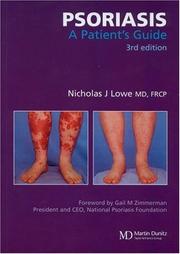
A concise, clinically grounded guide written for patients that explains the immune mechanisms behind psoriasis, types of psoriasis, and the full range of treatments — essential reading before exploring lifestyle approaches.
Builds directly on the clinical foundation by translating anti-inflammatory dietary principles into practical, everyday habits — showing how nutrition and lifestyle choices interact with psoriasis management.
Going Deeper: Triggers, the Gut-Skin Axis & Integrative Care
IntermediateExplore the science of systemic inflammation, the gut-skin connection, stress physiology, and how integrative strategies complement conventional dermatology care for both conditions.
▸ Study plan for this stage
Pace: 4–5 weeks, ~25–30 pages/day, with 2–3 days per week for reflection and exercises
- The inflammation spectrum: understanding where eczema and psoriasis fall on the acute-to-chronic inflammation continuum
- Systemic inflammation as a root cause: how local skin conditions reflect whole-body inflammatory dysregulation
- The gut-skin axis: the mechanisms by which intestinal permeability, dysbiosis, and gut inflammation drive skin disease
- The role of food sensitivities and elimination diets in identifying personal inflammatory triggers
- Stress physiology and HPA axis dysfunction: how chronic stress perpetuates both conditions through neuroimmune pathways
- Functional medicine assessment tools: using labs and symptom patterns to identify hidden drivers of inflammation
- Integrative protocols: combining conventional dermatology with dietary, lifestyle, and supplemental interventions
- Personalization and bioindividuality: why a one-size-fits-all approach fails and how to tailor care to individual inflammatory profiles
- Where do eczema and psoriasis sit on the inflammation spectrum, and what does this tell you about their underlying drivers?
- Explain the gut-skin axis: what mechanisms connect intestinal health to skin barrier function and immune tolerance?
- How does intestinal permeability ('leaky gut') contribute to systemic inflammation and skin flares in both conditions?
- What is the HPA axis, and how does chronic stress dysregulation perpetuate eczema and psoriasis?
- What functional medicine labs and assessment tools can help identify root causes of inflammation beyond standard dermatology?
- How would you design a personalized elimination diet protocol to identify food triggers, and what markers would you monitor?
- Map your own inflammation spectrum: track your eczema/psoriasis symptoms over 2 weeks and rate them on a 0–10 scale; note correlations with diet, stress, and sleep to identify your personal inflammatory triggers
- Gut-skin audit: document your digestive symptoms (bloating, constipation, diarrhea, food sensitivities) and skin flares side-by-side for 3 weeks to identify temporal relationships
- Elimination diet trial: remove the top 5 inflammatory foods (gluten, dairy, refined sugar, seed oils, processed foods) for 3–4 weeks, then reintroduce one at a time while tracking skin response and GI symptoms
- Stress physiology experiment: implement one stress-reduction practice daily (meditation, breathwork, yoga, or nature walks) for 4 weeks and measure its effect on skin clarity and symptom severity
- Functional medicine lab interpretation: collect and analyze your own inflammatory markers (CRP, ESR, fasting glucose, lipid panel) if available, or research what these markers reveal about your inflammatory load
- Create a personalized integrative protocol: design a 30-day plan combining dietary changes, stress management, sleep optimization, and targeted supplementation based on Cole's framework and your identified triggers
Next up: This stage equips you with a systemic, root-cause framework for understanding eczema and psoriasis, preparing you to move into the next stage where you'll learn specific clinical protocols, advanced supplement strategies, and how to navigate the integration of functional and conventional medicine in real-world practice.

Provides a broader framework for understanding chronic inflammation as the root driver of conditions like eczema and psoriasis, helping readers connect lifestyle, stress, and diet into one coherent picture.
Advanced: Living Well Long-Term
ExpertDevelop a sustainable, evidence-informed long-term strategy — understanding the psychological burden of chronic skin disease, navigating the evolving treatment landscape, and becoming an empowered partner in your own dermatology care.
▸ Study plan for this stage
Pace: 4–5 weeks, ~25–30 pages/day, with 2–3 days per week dedicated to mindfulness practice and reflection
- Acceptance and Commitment Therapy (ACT) as a framework for managing chronic skin disease anxiety and worry
- The role of psychological flexibility—observing thoughts and emotions without being controlled by them—in living well with eczema and psoriasis
- Mindfulness techniques (body scan, breathing, present-moment awareness) adapted for managing skin-related distress and flare triggers
- How avoidance behaviors and rumination perpetuate the anxiety-eczema/psoriasis cycle, and strategies to break this pattern
- Values-based living: identifying what truly matters to you and aligning daily choices with those values despite chronic skin disease
- Building self-compassion and reducing shame around visible skin conditions through mindful awareness
- Practical integration of mindfulness into daily routines: during flares, social situations, and medical appointments
- What is psychological flexibility, and how does it differ from trying to eliminate anxiety or worry about your skin condition?
- How do avoidance behaviors (e.g., avoiding social situations due to visible skin) reinforce anxiety cycles, and what does acceptance-based coping look like instead?
- What are your core values in living with eczema or psoriasis, and how can you align daily actions with those values even during difficult periods?
- How can you use mindfulness techniques (body scan, breathing) to respond to skin-related distress rather than react automatically?
- What role does self-compassion play in reducing the psychological burden of chronic skin disease, and how can you cultivate it?
- How might you apply the principles from this book during a skin flare, a dermatology appointment, or a social situation that triggers anxiety?
- Daily body scan meditation (10–15 minutes): practice noticing skin sensations without judgment; record observations in a journal to build awareness of triggers and patterns
- Identify three avoidance behaviors related to your skin condition (e.g., avoiding mirrors, social events, certain clothing) and design a small exposure experiment for each—track what you learn
- Values clarification exercise: write down 5–7 core values (e.g., connection, creativity, health, authenticity), then identify one concrete action per week aligned with each value, regardless of skin status
- Mindful breathing practice during moments of skin-related anxiety: practice the 5–7–8 breathing technique or box breathing for 5 minutes; note how your thoughts and physical sensations shift
- Self-compassion letter: write a compassionate letter to yourself acknowledging the difficulty of living with chronic skin disease, as if from a wise, caring friend; read it during flares
- Flare-response plan: using ACT principles, outline how you will respond mindfully to your next skin flare—what values will guide you, what thoughts might arise, and how you'll practice acceptance rather than struggle
Next up: Mastering psychological flexibility and mindfulness equips you to manage the emotional dimensions of chronic skin disease, preparing you to integrate this emotional resilience with practical medical decision-making and treatment optimization in subsequent stages.
A deeply researched, scientifically rich exploration of skin's role in immunity, identity, and disease — giving readers the sophisticated biological context to fully understand why chronic skin conditions behave the way they do.

Stress is one of the most powerful and consistent flare triggers for both eczema and psoriasis; this evidence-based guide to mindfulness and anxiety management provides practical psychological tools that directly support long-term skin health.
Discussion
Keep reading
Paths that share books, cover the same subject, or open a related topic.