Best books on raising quail for eggs and meat
This curriculum takes a beginner from zero knowledge of quail keeping to confident home production of coturnix eggs and meat. It starts with broad small-flock poultry fundamentals to build essential vocabulary, then narrows to quail-specific husbandry, incubation, and finally optimizing production and processing at home — each stage assuming the knowledge built in the one before.
Foundations: Small Flock & Backyard Poultry Basics
BeginnerUnderstand the core vocabulary, daily routines, housing principles, feeding, and health basics that apply to all backyard poultry — giving you the mental framework needed before diving into quail specifics.
▸ Study plan for this stage
Pace: 4–5 weeks, ~25–30 pages/day (focusing on Chapters 1–6 and relevant sections on housing, feeding, and health; approximately 150–180 pages total)
- Core poultry terminology (breeds, sexes, life stages, molt, broodiness) and how it applies across species
- Housing principles: ventilation, predator protection, space requirements, and nesting/roosting design
- Daily routines and seasonal management: watering, feeding schedules, coop checks, and record-keeping
- Nutrition fundamentals: feed types, water quality, supplements, and how to read feed labels
- Common health issues in backyard flocks: disease prevention, parasite management, and recognizing signs of illness
- Biosecurity and hygiene practices that protect flock health
- The relationship between environment (temperature, light, space) and bird behavior and productivity
- What are the key differences between common poultry species (chickens, ducks, geese, turkeys) in terms of space, feed, and housing needs, and why does this matter for quail?
- What are the three most critical components of a safe, functional coop, and how do ventilation and predator protection work together?
- Walk through a typical daily routine for poultry care—what tasks must happen every day, and why do they matter for flock health?
- What are the main categories of poultry feed, and how do you determine the right protein and nutrient levels for different ages and purposes?
- Name at least three common diseases or parasites in backyard poultry, describe their symptoms, and explain one prevention strategy for each.
- What records should you keep for your flock, and how will tracking this information help you make better management decisions?
- Create a detailed floor plan for a small backyard coop (real or hypothetical) that incorporates proper ventilation, roosting bars, nesting boxes, and predator protection; annotate it with measurements and materials.
- Observe or research the daily water and feed consumption of a small poultry flock (or use data from Storey's); calculate how much you'd need to purchase weekly and monthly, and identify cost-saving strategies.
- Set up a simple flock record-keeping system (spreadsheet or notebook) with columns for date, feed type/amount, water changes, health observations, and egg production (if applicable); practice filling it in for one week.
- Compare three different commercial poultry feeds (or feed descriptions from the book) by reading their labels; identify protein %, fiber %, and key ingredients, then explain which would be best for different bird ages.
- Design a biosecurity protocol for a backyard flock: list the steps you'd take to prevent disease introduction, including visitor rules, equipment cleaning, and quarantine procedures.
- Visit a local farm, feed store, or online resource and identify at least two housing designs (coop styles, run setups) used by backyard poultry keepers; sketch or photograph them and note which principles from Storey's they follow.
Next up: This foundation equips you with the universal language and practices of backyard poultry care, so you can now apply these principles specifically to quail—understanding how their unique size, behavior, and needs both align with and diverge from larger poultry species.

The single best all-around reference for small-flock poultry keepers; establishes essential terminology around housing, nutrition, disease, and flock management that every later quail-specific book assumes you already know.
Quail-Specific Husbandry: Coturnix Breeds & Housing
BeginnerLearn what makes coturnix quail unique — their fast growth cycle, breed varieties, space requirements, cage design, and daily care routines specific to quail kept at home.
▸ Study plan for this stage
Pace: 2–3 weeks, ~20–25 pages/day (focusing on chapters 1–3, 6–8, and 10)
- Coturnix quail biology: rapid sexual maturity (6–8 weeks), short lifespan (2–3 years), and high egg production compared to chickens
- Breed selection for home quail: understanding Japanese, Pharaoh, Tibetan, and other coturnix varieties and their temperament/productivity differences
- Space efficiency: quail require 1 square foot per bird minimum (vs. 3–4 for chickens), enabling backyard production at small scale
- Cage design essentials: solid or wire flooring, nesting boxes, perches, ventilation, and predator protection adapted for quail size
- Daily husbandry routines: feeding, watering, egg collection, litter management, and health checks specific to quail metabolism and behavior
- Environmental control: temperature (65–75°F optimal), humidity, and lighting cycles to maintain laying and prevent stress
- Distinguishing quail from chicken care: quail are flightier, need smaller feeders/waterers, and have different disease susceptibilities
- What is the typical growth timeline for coturnix quail from hatch to egg-laying age, and how does this compare to chickens?
- Name three coturnix breed varieties and describe one key difference in temperament or productivity between them.
- Calculate the minimum cage footprint needed for a flock of 12 quail, and explain why quail require less space than chickens.
- Describe the essential components of a functional quail cage (flooring type, nesting, ventilation, predator barriers) and justify each choice.
- What are three daily care tasks specific to quail, and why are they different from chicken routines?
- How do temperature, humidity, and light cycles affect quail laying performance, and what are the optimal ranges?
- Sketch or build a scaled model of a quail cage (12–24 bird capacity) incorporating wire or solid flooring, nesting boxes, feeders, waterers, and ventilation; compare your design against Storey's recommendations.
- Create a daily care checklist for a 20-quail flock covering feeding, watering, egg collection, litter checks, and health observation—time each task to establish realistic daily commitment.
- Research and document 3–4 coturnix breed varieties (using Storey's descriptions as a starting point); create a comparison chart noting size, egg color, temperament, and productivity.
- Set up a mock quail environment (even a small pen or brooder box) and practice handling quail, collecting eggs, and observing behavior for 1–2 weeks if possible; record observations on stress signals and daily rhythms.
- Calculate feed and water requirements for a 20-bird flock over one week using Storey's feeding guidelines; estimate monthly costs and compare to egg output value.
- Write a 1–2 page 'quail care manual' for a beginner, synthesizing Storey's advice on housing, breed selection, and daily routines into a practical reference guide.
Next up: Mastering coturnix-specific housing and daily care establishes the foundation for the next stage—breeding and genetics—where you'll apply these husbandry skills to select breeding stock, manage flock health, and optimize productivity across generations.
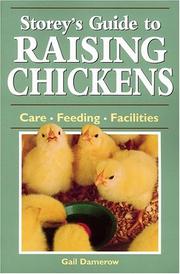
Though chicken-focused, Damerow's deep treatment of coop design, ventilation, lighting schedules, and flock health translates directly to quail housing and is referenced constantly in the quail-keeping community.
Incubation: Hatching Quail Eggs Successfully
IntermediateMaster the science and practice of incubating coturnix eggs — understanding temperature, humidity, turning schedules, candling, lockdown, and troubleshooting hatch failures.
▸ Study plan for this stage
Pace: 4–5 weeks, ~25–30 pages/day. Start with Damerow's chapters on incubation fundamentals (weeks 1–2), then move to Stromberg's detailed hatch troubleshooting and optimization (weeks 3–4), with a final week for review and hands-on practice.
- Temperature management: maintaining 99.5°F (still-air) or 101.5°F (forced-air) for coturnix eggs throughout the 17-day incubation cycle
- Humidity control: achieving 40–50% relative humidity (weeks 1–15) and 65–75% (final 2 days) using wet-bulb thermometer readings
- Egg turning: manual or automatic turning 5–7 times daily for the first 15 days, then cessation during lockdown
- Candling technique: identifying fertile vs. infertile eggs at day 3–4 and monitoring embryo development at day 10–12
- Lockdown protocol: stopping all turning and adjusting humidity upward 2 days before hatch date
- Troubleshooting hatch failures: diagnosing causes (temperature fluctuations, humidity errors, turning problems, contamination) and preventing recurrence
- Incubator selection and setup: choosing appropriate equipment for coturnix and establishing proper ventilation
- Embryo development timeline: understanding the 17-day coturnix incubation period and recognizing normal vs. abnormal progress
- What are the precise temperature and humidity settings for coturnix egg incubation, and how do they differ between the main incubation period and lockdown?
- How do you candle quail eggs effectively, and what do you expect to see at days 3–4 and days 10–12 of development?
- What is the correct turning schedule for coturnix eggs, and why is cessation of turning critical during lockdown?
- What are the most common causes of hatch failure in coturnix eggs, and how can you diagnose which problem occurred based on chick appearance?
- How do you set up and maintain proper ventilation in an incubator to support healthy embryo development?
- What adjustments should you make to your incubation protocol if you experience poor hatch rates, and how do you test whether changes were effective?
- Set up your incubator 7–10 days before your first hatch: calibrate thermometers, establish humidity baseline, and run a test cycle with water only to verify temperature and humidity stability
- Candle a practice batch of quail eggs (or use photos from the books) at days 3–4 and 10–12; document what you observe and compare against the developmental milestones in both texts
- Create a detailed hatch log for your first incubation cycle, recording temperature, humidity, and turning status twice daily; identify any deviations and their timing
- Perform a post-hatch analysis: examine unhatched eggs and any chicks that died during hatch; use the troubleshooting guides in Stromberg to diagnose the likely cause
- Practice manual egg turning if using that method: develop a consistent routine (mark eggs with X and O) and time yourself to ensure 5–7 turns per day fit your schedule
- Compare two different incubator types or humidity management methods (wet-bulb vs. hygrometer) across consecutive hatches and document differences in hatch rate and chick quality
Next up: This stage equips you with the technical mastery to reliably produce viable chicks, which is essential before moving to brooding and early chick care—you cannot manage chick health if you haven't first ensured successful hatch.

The most trusted English-language book on small-scale incubation; covers incubator selection, egg handling, humidity management, and brooder setup — all directly applicable to quail eggs with only minor adjustments for their shorter 17-day incubation.

A classic deep-dive into the biology of embryo development and the variables that affect hatch rates; reading this after Damerow gives you the 'why' behind every incubation decision, helping you troubleshoot poor hatches confidently.
Home Production: Eggs, Meat & Processing
IntermediateOptimize your coturnix flock for consistent egg and meat production, understand nutritional management for laying hens, and learn humane home processing and preservation of quail meat.
▸ Study plan for this stage
Pace: 8–10 weeks, ~25–30 pages/day. Start with Ussery (weeks 1–6, ~200 pages on flock management and nutrition), then transition to Danforth (weeks 7–10, ~150 pages on processing techniques). Allow 1–2 weeks buffer for hands-on practice between books.
- Coturnix flock composition and breeding selection for consistent egg production and meat quality
- Nutritional requirements for laying hens vs. meat birds and how to formulate or source appropriate feed
- Flock health management, disease prevention, and environmental conditions (housing, temperature, lighting) that optimize productivity
- Humane and efficient processing methods for quail, including killing, plucking, evisceration, and butchering techniques
- Food safety and sanitation protocols during home processing to prevent contamination
- Preservation methods (freezing, canning, curing) to extend shelf life of quail meat and eggs
- Cost-benefit analysis of home production vs. purchased meat and eggs
- What are the key differences in nutritional requirements between laying hens and meat birds, and how would you adjust feed formulations accordingly?
- How does flock composition (ratio of males to females, age structure) affect both egg production consistency and meat quality?
- What environmental factors (temperature, lighting, housing density) most directly impact coturnix productivity, and how do you optimize them?
- Describe the step-by-step process for humanely processing a quail, from killing through final butchering, and explain the rationale for each step.
- What are the critical food safety checkpoints during home processing, and how do you prevent cross-contamination?
- Which preservation method (freezing, canning, curing) is most practical for your situation, and what are its advantages and limitations?
- Conduct a 2-week feed trial: source or formulate two different feed options (commercial vs. homemade blend) and track egg production, bird weight, and feed conversion rates to compare cost and output.
- Design a flock management spreadsheet tracking daily egg production, mortality, feed consumption, and health observations for at least 4 weeks to identify patterns and optimize conditions.
- Practice the full processing workflow on 3–5 birds under controlled conditions (ideally with an experienced mentor), timing each step and documenting any challenges or refinements needed.
- Set up a small-scale preservation experiment: freeze, can, and cure samples of quail meat using Danforth's methods, then evaluate quality, taste, and shelf stability over 2–3 months.
- Calculate the true cost of production (feed, housing, utilities, labor) vs. retail prices for quail eggs and meat in your area to determine profitability and ROI.
- Create a written standard operating procedure (SOP) for your processing workflow, including safety checklists, tool sanitation, and waste disposal, then test it with a full batch.
Next up: Mastering production and processing establishes you as a self-sufficient small-scale producer; the next stage will likely focus on scaling operations, marketing surplus eggs and meat, or diversifying into value-added products (pâtés, smoked quail, specialty eggs) to generate income or trade within your community.

The definitive modern guide to running a productive, sustainable home poultry operation; its chapters on feed formulation, pasture integration, and flock cycling apply beautifully to high-output coturnix egg and meat flocks.

A visually detailed, step-by-step processing guide; the poultry chapters give you the technique and confidence to humanely process quail at home, covering everything from dispatch through packaging and storage.
Advanced Mastery: Breeding, Genetics & Flock Improvement
ExpertGo beyond basic keeping to selectively breed coturnix for improved egg production, meat yield, or specific color varieties — closing the loop on a fully self-sustaining home quail operation.
▸ Study plan for this stage
Pace: 4–5 weeks, ~25–30 pages/day, with 2–3 days per week dedicated to hands-on observation and record-keeping
- Disease recognition and prevention in small poultry flocks, with emphasis on early detection in breeding stock
- Nutritional requirements for optimal egg production and meat quality in coturnix
- Genetic health screening and culling strategies to maintain flock vigor across generations
- Common health stressors during breeding season and their impact on fertility and hatchability
- Biosecurity protocols tailored to home quail operations to prevent disease introduction
- How health status directly influences selective breeding outcomes and flock productivity
- Medication and treatment protocols appropriate for small-scale quail operations
- What are the primary signs of disease in coturnix, and how do they differ from stress-related behaviors during breeding season?
- How does nutritional deficiency compromise both egg production and the genetic quality of offspring you're selecting for?
- What health screening criteria should you apply when choosing breeding stock to avoid perpetuating genetic weaknesses?
- How can you design a biosecurity system for a home quail operation that prevents disease without excessive cost or complexity?
- What role does flock health play in the success of a selective breeding program for improved egg production or meat yield?
- Which health conditions are culling triggers in a breeding flock, and why is removing affected birds essential for long-term improvement?
- Create a health monitoring checklist for your breeding flock, including daily observations (behavior, feed intake, egg production) and weekly physical inspections; use it for 3 weeks and document any health flags
- Design a simple biosecurity protocol for your quail setup: map entry/exit points, plan cleaning schedules, and identify quarantine procedures for new birds or equipment
- Conduct a nutritional audit of your current feed: compare the protein, fat, and micronutrient content against Damerow's recommendations for breeding flocks, and adjust if needed
- Establish a breeding flock health record system (spreadsheet or notebook) tracking individual bird ID, health observations, egg production, and culling decisions over 4 weeks
- Perform a post-mortem examination (if a bird dies naturally) following Damerow's guidance, documenting findings to identify health trends in your flock
- Interview or survey 2–3 experienced quail keepers about their disease prevention strategies and compare their approaches to Damerow's recommendations
Next up: This stage equips you with the health literacy and biosecurity foundation necessary to confidently select breeding stock and manage a multi-generational improvement program, ensuring that genetic gains aren't undermined by preventable disease or nutritional failure.

At this stage, flock health and disease prevention become critical as you manage breeding lines; this is the most comprehensive poultry health reference available and helps you identify, treat, and prevent the illnesses that can devastate a breeding program.
Discussion
Keep reading
Paths that share books, cover the same subject, or open a related topic.