Quail are a homesteader's shortcut: they mature in weeks, lay prolifically, need little space, and are legal in many places where chickens are not. But their speed cuts both ways — decisions about housing, feed, and hatching happen fast, so a little upfront reading saves a lot of scrambling.
The reading order runs from general poultry keeping to quail specifics to the harder, honest skills of hatching and processing, so nothing catches you unprepared.
Learn general poultry first
Start broad with Storey's guide to raising poultry, a survey of many species that grounds the concepts — housing, feed, health, biosecurity — you will apply to quail. Backyard Poultry Handbook reinforces the fundamentals in a friendly, small-flock context.
Focus on quail
Then narrow in with Coturnix Quail: The Complete Owner's Guide, the dedicated text on the species most home-raisers keep. It covers the details general books skip: cage design, laying rates, sexing, and the fast timeline from hatch to harvest.
Master hatching
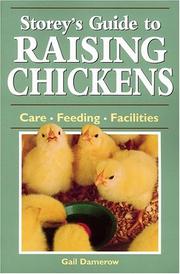
Quail keeping soon means incubation. Storey's guide to raising chickens and Hatching and Brooding Your Own Chicks — Gail Damerow's clear manuals — plus A guide to better hatching teach temperature, humidity, and brooder setup. The principles transfer directly to quail eggs.
Handle health and harvest honestly
Raising animals for food means facing the whole cycle. The small-scale poultry flock, Harvey Ussery's integrated approach, and The chicken health handbook keep your birds well, while Butchering poultry, rabbit, lamb, goat, and pork covers humane, clean processing. Genetics of the Fowl closes the path for those who want to breed for better birds over time.
These books complement hands-on learning and local mentorship; they do not replace veterinary care when a flock gets sick.
Follow the full path to see each title in its stage with a study plan.
Follow the full reading path →
Ready to learn something deeply?
Build a reading path — free