Best books on wildlife gardening and habitat
This curriculum takes a beginner from the basic "why and how" of wildlife gardening through plant selection and habitat design, then into the deeper ecology of specific animal groups, and finally into advanced, landscape-scale thinking. Each stage builds the vocabulary, plant knowledge, and ecological intuition needed to tackle the richer, more technical books that follow.
Foundations: Why Wildlife Gardening Matters
BeginnerUnderstand the core principles of wildlife gardening, why native plants are essential, and feel inspired and equipped to start transforming any outdoor space.
▸ Study plan for this stage
Pace: 4–5 weeks, ~25–30 pages/day. Start with "The Living Landscape" (weeks 1–3, approximately 200–250 pages), then move to "The Wildlife Gardener" (weeks 3–5, approximately 150–200 pages). Allow 2–3 days at the end for review and reflection before progressing.
- Native plants are the foundation of wildlife gardening because they co-evolved with local insects, birds, and pollinators that depend on them for food and habitat
- The living landscape concept: viewing your garden as an interconnected ecosystem rather than isolated ornamental plantings
- Ecological function over aesthetics: understanding that a wildlife garden's primary purpose is to support biodiversity, not conform to traditional garden design rules
- Habitat layers and structure: creating vertical diversity (ground cover, shrubs, trees, canopy) to support different species and their life cycles
- Seasonal continuity and year-round resources: providing food, water, and shelter across all seasons so wildlife can thrive throughout the year
- The role of 'messy' or wild spaces: learning why dead wood, leaf litter, and unmowed areas are essential for insects, fungi, and decomposition
- Local adaptation and bioregionalism: recognizing that wildlife gardening must be tailored to your specific region's climate, soil, and native species
- Why are native plants superior to ornamental non-natives for supporting wildlife, and what specific relationships do native plants have with local insects and pollinators?
- What does Rick Darke mean by 'the living landscape,' and how does this concept change the way you approach garden design?
- How do habitat layers (ground cover, shrubs, trees, canopy) contribute to supporting different wildlife species, and why is vertical structure important?
- What role do 'messy' elements like dead wood, leaf litter, and unmowed grass play in a wildlife garden, and why should gardeners resist the urge to clean them up?
- How can you provide year-round resources (food, water, shelter) for wildlife across different seasons, and why is seasonal continuity critical?
- What is bioregionalism in wildlife gardening, and how do you determine which native plants are appropriate for your specific location?
- Conduct a native plant audit: research and list 15–20 native plants suitable for your region and climate zone, noting which wildlife species (insects, birds, pollinators) they support. Use local native plant societies or regional guides mentioned in the books.
- Map your garden's current habitat layers: sketch your outdoor space and identify existing ground cover, shrubs, trees, and canopy. Identify gaps and plan additions to create vertical diversity.
- Create a seasonal resource calendar: chart what food sources (seeds, berries, nectar, insects) and shelter are available in your garden across all four seasons, then identify gaps to fill with new plantings.
- Observe and document 'messy' spaces: spend 15–20 minutes observing a wild or unmowed area (your garden, a local park, or a nature reserve) and record what wildlife and decomposition activity you notice. Reflect on how this informs your understanding of ecological function.
- Design a small wildlife garden bed: using principles from both books, sketch a 4x4 or 6x6 ft garden bed that includes native plants, layered structure, and year-round resources. Include plant names, heights, and bloom times.
- Interview or survey local gardeners: ask 3–5 local gardeners or native plant enthusiasts about their experience with native plants and wildlife gardening in your region. Document their insights and challenges.
Next up: This foundational stage equips you with the ecological principles and inspiration to begin wildlife gardening; the next stage will move into practical implementation—site assessment, soil preparation, plant selection, and installation techniques—so you can actually build and establish your wildlife garden.

A beautifully accessible introduction to designing gardens that support wildlife using native plants; it builds the foundational vocabulary of habitat, ecology, and plant communities that the rest of the curriculum relies on.

A practical, friendly, UK-grounded guide to creating habitat for birds, insects, and mammals; read after Tallamy, it grounds the ecological principles in concrete, actionable garden projects.
Plants & Habitat Design
BeginnerSelect the right native plants for wildlife value, understand plant communities, and design garden layers — from ground cover to canopy — that provide food, shelter, and nesting sites year-round.
▸ Study plan for this stage
Pace: 4–5 weeks, ~25–30 pages/day. Week 1–2: "Planting in a post-wild world" (primary focus on design principles and plant communities). Week 3–4: "The American meadow garden" (practical application to meadow systems). Week 5: Review and integration exercises.
- Native plant communities and ecological associations: understanding which plants naturally grow together and support the same wildlife
- Garden layering and vertical structure: creating ground cover, shrub, understory, and canopy layers that provide year-round food and shelter
- Plant selection for wildlife value: identifying native plants that offer seeds, nectar, berries, and nesting materials for birds, pollinators, and other fauna
- Meadow ecology and succession: how meadows function as plant communities, the role of grasses and forbs, and management to prevent woody encroachment
- Seasonal continuity: designing plantings that provide food and shelter across all four seasons, not just spring blooms
- Soil and site conditions: matching plants to local soil, moisture, and light conditions to ensure establishment and long-term resilience
- Designing for resilience: using diverse, interconnected plantings that reduce pest pressure and increase wildlife habitat value
- What are the key differences between ornamental plant communities and native plant communities, and why does this matter for wildlife gardening?
- How do the four main garden layers (ground cover, shrub, understory, canopy) work together to provide food, shelter, and nesting sites for wildlife?
- Name at least five native plants suited to your region and explain what wildlife they support and in which season(s)
- What is ecological succession in a meadow, and how does management (e.g., mowing, burning) prevent unwanted woody species from taking over?
- How would you design a year-round wildlife garden that provides food and shelter in winter, spring, summer, and fall?
- What role do grasses play in a meadow garden, and how do they differ from ornamental grasses in terms of ecological function?
- Map your garden's existing microclimates (sun exposure, soil moisture, soil type) and identify which native plant communities from Rainer & Thomas would suit each zone
- Create a layered planting plan for a 100–200 sq ft area, specifying ground cover, shrub, understory, and canopy plants with bloom times and wildlife value for each
- Research and list 10–15 native plants for your region; for each, note the wildlife it attracts, its bloom/fruit season, and which garden layer it occupies
- Design a simple meadow garden layout (even if just on paper) using principles from Greenlee's book; include grass species, forbs, and a management plan (mowing schedule)
- Visit a local native plant nursery or nature preserve and identify at least three plant communities in action; photograph and sketch how plants are layered and associated
- Create a seasonal calendar showing which plants in your design provide food (seeds, nectar, berries) and shelter in each month of the year
Next up: This stage equips you with the knowledge to select and arrange plants ecologically; the next stage will likely focus on implementation, maintenance, and monitoring—turning your design into a thriving, self-sustaining wildlife habitat.

Teaches how to design plant communities that mimic nature's structure; reading this after the foundation books lets the learner translate ecological principles into real garden layouts.

Focuses on grasses and meadow-style planting — a critical habitat type for insects and ground-nesting birds — and expands the learner's plant palette beyond shrubs and trees.
Going Deeper: Insects & Pollinators
IntermediateDevelop a detailed understanding of insect life cycles, pollinator needs, and how specific garden choices — plant species, soil, dead wood, water — directly support invertebrate biodiversity.
▸ Study plan for this stage
Pace: 8–10 weeks, ~25–35 pages/day. Read "Gardening for Butterflies" (weeks 1–3), "The Bees in Your Backyard" (weeks 4–6), and "Attracting Native Pollinators" (weeks 7–10). Allocate 1–2 days per book for review and note-taking.
- Butterfly life cycles (egg, larva, chrysalis, adult) and the critical role of host plants in sustaining each stage
- Native bee diversity: solitary bees, bumblebees, and honeybees—their nesting requirements, foraging preferences, and seasonal activity patterns
- Pollinator-plant relationships: how flower morphology, color, scent, and bloom timing match specific pollinator needs
- Garden habitat design for invertebrates: continuous bloom, diverse plant structure, bare soil patches, dead wood, and water sources
- Soil health and pesticide avoidance as foundational to supporting invertebrate populations
- Regional and seasonal considerations: matching plant and pollinator phenology to local climate and geography
- How garden management practices (mowing, deadheading, mulching) directly affect insect survival and reproduction
- What are the four life stages of a butterfly, and why is the larval host plant essential to butterfly populations?
- Describe three major groups of native bees and their distinct nesting and foraging behaviors.
- How do flower characteristics (shape, color, scent, nectar/pollen availability) attract specific pollinators, and what does this mean for plant selection?
- What garden features (soil, water, dead wood, plant structure) directly support invertebrate life cycles, and how would you implement them in a small space?
- Why are pesticides and synthetic fertilizers harmful to pollinators, and what are evidence-based alternatives?
- How do you create a garden with continuous bloom and overlapping pollinator activity across seasons in your region?
- Map your garden or a local space: identify existing plants, note bloom times, and mark bare patches. Use this as a baseline for redesign.
- Select one butterfly species native to your region. Research its host plant(s), adult nectar sources, and seasonal timeline. Commit to planting at least one host plant.
- Conduct a bee observation walk: spend 20–30 minutes watching flowers and recording which bee types visit, what they collect, and how long they stay. Repeat monthly.
- Build or install a bee hotel (wood block with drilled holes or bundled reeds) in your garden or a community space, and monitor occupancy over the season.
- Create a bloom calendar for your garden: list plants by month and identify gaps in nectar/pollen availability. Plan additions to extend bloom from early spring through fall.
- Remove a section of lawn (or designate a patch) and leave it unmulched or lightly mulched to provide bare soil nesting habitat for ground-nesting bees. Document what colonizes it.
- Audit pesticide and fertilizer use: replace one synthetic product with an organic alternative (e.g., neem oil, compost, integrated pest management) and track impacts.
- Design a water feature for pollinators (shallow dish, mud patch, or bog garden) and observe insect use over 4–6 weeks.
Next up: This stage equips you with deep ecological knowledge of invertebrate needs and plant–pollinator relationships, preparing you to design integrated, resilient garden systems and scale these practices to community and landscape levels in the next stage.
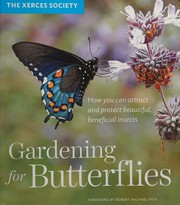
Published by the Xerces Society, this is the definitive practical guide to supporting butterflies and moths; it deepens plant-insect relationships introduced by Tallamy with species-level detail.

A thorough, accessible guide to the diversity of native bees and what they need; placed here so the learner can apply their plant knowledge to understanding bee habitat requirements specifically.
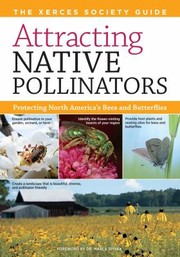
Another Xerces Society title that synthesises pollinator habitat across bees, butterflies, and other insects into a single management framework — a natural capstone to this stage.
Birds & Mammals: Vertebrate Habitat
IntermediateUnderstand the specific habitat requirements of garden birds and backyard mammals, and learn how to integrate nest boxes, water features, brush piles, and food sources into a coherent wildlife garden.
▸ Study plan for this stage
Pace: 6–7 weeks, ~25–30 pages/day. Week 1–3: "Gardening for the Birds" (approximately 200–250 pages); Week 4–7: "The Garden Jungle" (approximately 300–350 pages), with 2–3 days per week reserved for hands-on garden planning and observation.
- Bird nesting requirements: species-specific nest box designs, placement heights, entrance hole sizes, and timing for installation based on breeding seasons
- Mammal shelter and movement corridors: how brush piles, dense shrubs, and connected habitat pathways support hedgehogs, small mammals, and other garden visitors
- Water features as essential habitat: designing and maintaining bird baths, shallow ponds, and drinking stations that attract and sustain vertebrates year-round
- Native plants as food sources: understanding which native trees, shrubs, and herbaceous plants provide seeds, berries, and insects that birds and mammals depend on
- Integrated garden design: layering nest boxes, food sources, water, and shelter to create a cohesive habitat that supports multiple vertebrate species simultaneously
- Invertebrate-vertebrate food webs: recognizing how insects and other invertebrates (emphasized in Goulson) form the nutritional foundation for birds and small mammals
- Seasonal habitat management: adjusting garden practices (pruning timing, deadheading, mulching) to support breeding, migration, and overwintering needs
- Avoiding pesticides and artificial inputs: understanding how chemical-free gardening protects the invertebrate base and ensures safe food chains for vertebrates
- What are the specific entrance hole sizes and mounting heights for different bird species (e.g., robins, wrens, tits), and why do these specifications matter?
- How do brush piles, dense shrubs, and connected corridors support mammal movement and shelter, and where should you position them in a garden layout?
- What role do invertebrates play in supporting bird and mammal populations, and how does maintaining a healthy invertebrate community benefit vertebrate habitat?
- How should you design and maintain water features (bird baths, ponds, or shallow dishes) to make them safe and attractive to different bird and mammal species?
- Which native plants provide reliable food sources (seeds, berries, insects) for garden birds and mammals across different seasons, and how do you integrate them into a planting scheme?
- What are the key seasonal management practices (timing of pruning, deadheading, mulching) that protect nesting, breeding, and overwintering vertebrates?
- Conduct a baseline garden audit: map your current garden layout, identify existing shelter, water sources, and food plants; note which bird and mammal species you observe and when.
- Build or install 3–5 nest boxes suited to different species (e.g., open-fronted for robins, small entrance for wrens, larger box for tits); monitor placement, entrance hole size, and mounting height against Adams' specifications.
- Design and construct a brush pile or log stack in a quiet corner; document its location, materials used, and observe which small mammals or birds use it over 4–6 weeks.
- Create or upgrade a water feature: install a bird bath, shallow pond, or ground-level drinking station; maintain it weekly and record which species visit and how often.
- Identify and plant 5–8 native plants (trees, shrubs, or perennials) that provide seeds, berries, or attract insects; track their flowering/fruiting times and which vertebrates feed on them.
- Implement a pesticide-free garden management plan for 8–12 weeks: stop using chemical inputs, practice hand-weeding and organic pest control, and observe changes in invertebrate and vertebrate activity.
Next up: This stage establishes the foundational habitat structures and plant communities that support individual vertebrate species; the next stage will likely expand to ecosystem-level thinking, exploring how to scale these principles across larger landscapes, support specialist species, and integrate wildlife gardening with broader conservation goals.

A comprehensive, well-illustrated guide to attracting and supporting birds through plant choice, water, and structure; it builds directly on the habitat-design skills developed in earlier stages.

Goulson's engaging, science-rich narrative covers the full web of garden wildlife — insects, mammals, and birds — and shows how they interact, rewarding readers who now have the ecological background to appreciate the complexity.
Advanced: Landscape Ecology & the Bigger Picture
ExpertThink beyond the individual garden to wildlife corridors, landscape-scale conservation, and the measurable ecological impact of collective gardening action — and become an advocate as well as a practitioner.
▸ Study plan for this stage
Pace: 4–5 weeks, ~25–30 pages/day, with 2–3 reflection days per week for exercises and advocacy planning
- Habitat corridors and connectivity: how individual gardens link to create pathways for wildlife movement across fragmented landscapes
- The ecological impact of native plant communities: understanding plant-pollinator-predator networks and food webs at landscape scale
- Humane wildlife management: balancing human needs with animal welfare, moving beyond pest control to coexistence
- Collective action and tipping points: how aggregated gardening practices create measurable conservation outcomes at neighborhood and regional scales
- Advocacy and cultural shift: translating personal gardening practice into community education and policy influence
- Microhabitats within gardens: creating layered, diverse spaces that support multiple species and ecological functions
- Seasonal and temporal dynamics: understanding how gardens contribute to wildlife needs across years and seasons, not just growing season
- How do individual gardens function as nodes in a larger wildlife corridor network, and what design principles maximize connectivity?
- What is the humane gardener's philosophy toward pest management, and how does it differ from conventional approaches?
- How can you measure or document the ecological impact of your garden and advocate for landscape-scale change based on evidence?
- What role do native plant communities play in supporting complete food webs, and how does this differ from ornamental monocultures?
- How can gardeners become advocates, and what are concrete strategies for influencing neighbors, local policy, or community conservation?
- What microhabitats and design features (dead wood, water, shelter, layering) create the most resilient and biodiverse gardens?
- Map your local landscape: identify existing green spaces, fragmentation, and potential wildlife corridors. Propose 3–5 strategic garden locations in your neighborhood that would improve connectivity.
- Conduct a food web audit of your garden: document plants, pollinators, predators, and prey over 2–3 weeks. Identify gaps and design additions to strengthen the network.
- Design a humane wildlife management plan for a common garden pest or conflict (e.g., deer, slugs, rabbits). Research Lawson's approach and create a coexistence-based protocol.
- Start a neighborhood or community garden audit: survey 5–10 gardens and document native plant diversity, habitat features, and wildlife observed. Compile findings into a simple report.
- Create an advocacy pitch: write a 1-page proposal for a local school, municipality, or community group on the benefits of wildlife gardening at landscape scale. Include data from your audit.
- Build a microhabitat feature: install a dead wood pile, shallow water basin, or native shrub shelter. Document what species use it over 4 weeks and photograph for advocacy materials.
Next up: This stage equips you to see your garden as part of an interconnected ecological system and positions you as both a practitioner and advocate—ready to engage with conservation science, policy, and community action at scales beyond your own property.

A thought-provoking final read that examines the ethical and behavioural dimensions of sharing space with wildlife — mammals, reptiles, and 'pest' species included — rounding out the curriculum with nuance and compassion.
Discussion
Keep reading
Paths that share books, cover the same subject, or open a related topic.