Raise happy backyard chickens
This curriculum takes a first-time small-flock keeper from zero knowledge to confident, self-sufficient chicken husbandry. The four stages move from "why and how to start" through daily care and coop design, then into health and flock management, and finally into the deeper craft of egg production and sustainable keeping — each stage building the vocabulary and hands-on intuition needed for the next.
Foundations: Getting Started Right
BeginnerUnderstand what backyard chicken keeping really involves, choose the right breeds for a small flock, and feel confident enough to bring home your first birds.
▸ Study plan for this stage
Pace: 8–10 weeks total. Weeks 1–6: "Storey's Guide to Raising Chickens" by Gail Damerow (~25–30 pages/day, focusing on Part 1: Getting Started, the housing chapters, and the breed profiles). Weeks 7–10: "Raising Chickens for Dummies" by Kimberley Willis (~20–25 pages/day, reading linearly but pausing to r
- The true scope of chicken keeping — daily time commitment, costs, local ordinances, and flock-size realities — as framed in Damerow's opening chapters and Willis's 'Before You Begin' section
- Chicken anatomy, biology, and behavior basics: understanding the pecking order, natural flock dynamics, and how chickens communicate stress or contentment (Damerow, Part 1)
- Breed selection criteria for a small backyard flock: temperament, egg production vs. dual-purpose vs. meat breeds, cold/heat hardiness, and broodiness — covered in depth in Damerow's breed profiles and summarized accessibly in Willis
- Housing essentials: coop size calculations (minimum 4 sq ft/bird inside, 10 sq ft/bird in the run), ventilation, predator-proofing, nesting boxes, roosts, and lighting — Damerow's housing chapters are the primary reference
- Feeding and nutrition fundamentals: starter vs. grower vs. layer feed, the role of grit and calcium (oyster shell), treats in moderation, and clean water access at all times (both books)
- Brooding day-old chicks vs. purchasing started pullets: heat lamp/brooder plate setup, temperature schedules, and the first critical weeks of life (Damerow chapters on chicks; Willis's beginner-friendly chick guide)
- Recognizing a healthy bird vs. early warning signs of illness, injury, or stress — baseline knowledge from Damerow's health chapters and Willis's practical checklists
- Egg basics: when to expect first eggs, normal vs. abnormal eggs, collection, storage, and the difference between fertilized and unfertilized eggs (Willis chapters on eggs, reinforced by Damerow)
- According to both Damerow and Willis, what are the three most important questions a beginner must answer — about space, local laws, and lifestyle — BEFORE acquiring any birds?
- Using Damerow's breed profiles as your reference, which two or three breeds would you choose for a small, family-friendly backyard flock in your climate, and why? What traits did you prioritize?
- What are the non-negotiable features of a safe, healthy coop as described in Damerow's housing chapters, and how does Willis's checklist approach help you verify you haven't missed anything?
- Walk through the brooding process for day-old chicks: what temperature is needed at the start, how does it change week by week, and what signs tell you the chicks are too hot, too cold, or comfortable?
- What should a new keeper look for every morning during a daily health check, and what early symptoms — as listed in Damerow's health section — should trigger immediate action?
- How do the feeding requirements change from chick to pullet to laying hen, and why is it harmful to feed layer pellets to birds under 18 weeks old?
- Draft a 'Backyard Chicken Feasibility Sheet': research your local zoning laws, HOA rules, and neighbor considerations, then write a one-page summary of what your situation allows — treat Willis's early chapters as your prompt guide.
- Build a breed comparison table with at least 6 breeds drawn from Damerow's breed profiles. Columns should include: egg color/quantity, temperament, size, cold/heat hardiness, and broodiness tendency. Use this table to make and justify your final breed picks.
- Sketch a coop floor plan to scale on graph paper (or free software like SketchUp). Label every element Damerow specifies: roost bars, nesting boxes, ventilation openings, pop door, and predator-proof latches. Calculate square footage per bird.
- Set up a mock brooder using a cardboard box, a thermometer, and a lamp or brooder plate (no chicks yet). Practice hitting and holding the Week 1 target temperature of 95°F, then simulate the weekly 5°F reduction over four 'weeks' by adjusting the heat source. Record your readings in a log.
- Create a 'First-Year Cost Estimate' spreadsheet covering: coop materials or purchase price, bedding, feed (per month × 12), feeders/waterers, brooder supplies, and a 10% emergency vet fund. Use price ranges from both books as a baseline and verify with one local farm-supply store quote.
- Start a Chicken Keeping Journal. After finishing each book, write a one-page 'What I didn't expect to learn' reflection — one page for Damerow, one for Willis. Note where the two authors agree, where they differ in emphasis, and which advice feels most relevant to your specific situation.
Next up: ">Completing this stage gives you a confident, well-researched foundation — chosen breeds, a coop design, and a care routine on paper — so the next stage can shift from 'should I do this?' to 'how do I do this better?', diving into hands-on flock management, health troubleshooting, and maximizing egg production.
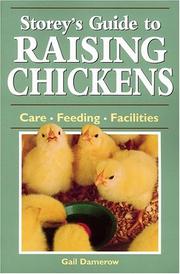
The single most widely recommended beginner reference — covers breeds, housing, feeding, health, and eggs in one authoritative volume. Reading it first gives you the full landscape before you specialize.

A friendly, jargon-free companion that reinforces the fundamentals with checklists and plain language; its conversational tone fills in the 'common sense' gaps that technical guides sometimes skip.
The Coop and the Yard: Housing and Daily Care
BeginnerDesign or evaluate a safe, practical coop, set up a healthy run, and establish confident daily and seasonal care routines.
▸ Study plan for this stage
Pace: 5–6 weeks total: Weeks 1–3 on "Chicken Coops" by Judy Pangman (~20–25 pages/day, including time to study plans and diagrams); Weeks 4–6 on "Free-Range Chicken Gardens" by Jessi Bloom (~15–20 pages/day, pausing to sketch and observe your outdoor space).
- Coop sizing and space requirements: Pangman's guidelines for minimum square footage per bird inside the coop and in the run, and why overcrowding leads to stress and disease
- Ventilation vs. draft: understanding Pangman's emphasis on high, cross-flow ventilation that moves moisture and ammonia out without creating cold drafts at roost level
- Predator-proofing: hardware cloth vs. chicken wire, apron/buried fencing, secure latches, and covered runs as detailed in Pangman's coop designs
- Roost and nest box design: correct roost height and diameter, one nest box per 3–4 hens, darkened and private placement to encourage laying
- Daily and seasonal care rhythms: morning and evening routines (feed, water, collect eggs, observe flock health), and seasonal adjustments for heat, cold, and molt drawn from both books
- Integrating chickens into the landscape: Bloom's concept of the chicken garden — using chickens as garden allies for pest control, fertilization, and soil tillage while protecting desirable plants
- Plant selection for the chicken yard: Bloom's framework of chicken-resistant, chicken-beneficial, and toxic plants, and how to design layered plantings that provide forage, shade, and enrichment
- Run enrichment and free-range management: dust baths, perches, rotational grazing, and using Bloom's garden design principles to create a stimulating, sustainable outdoor environment
- According to Pangman, what are the minimum interior coop and outdoor run space requirements per standard-sized hen, and what problems arise when those minimums are not met?
- How does Pangman distinguish between beneficial ventilation and harmful drafts, and where should vents be positioned relative to the roost bars?
- What specific predator-proofing features does Pangman recommend — materials, burial depth, latch types — and which common predators does each feature address?
- Using Bloom's plant framework, name at least three plants that are safe and beneficial for chickens to forage, three that are toxic and must be excluded, and explain how she recommends protecting garden beds chickens should not access.
- How does Bloom propose integrating chickens into a home garden so that they provide ecosystem services (pest control, fertilization, tillage) without destroying the garden, and what rotational or zoning strategies does she suggest?
- What daily care tasks should a beginner complete every morning and every evening, and how do those routines shift across the four seasons based on the guidance in both books?
- Coop audit or design sketch: Using Pangman's space, ventilation, roost, and nest-box specifications as a checklist, either evaluate an existing coop (your own or a neighbor's) or draw a scaled floor plan for a coop sized for your target flock. Annotate every feature and note any gaps.
- Predator-proofing walkthrough: Walk your yard at dusk and identify every potential entry point a predator could exploit. Cross-reference Pangman's predator chapter and write a prioritized fix-it list with materials needed and estimated cost.
- Daily care log: For two full weeks, follow a morning-and-evening routine checklist (feed, water, egg collection, health observation, coop check). Note any anomalies — changes in droppings, behavior, or egg production — to build the habit of attentive observation.
- Yard plant inventory: Using Bloom's plant lists, walk your yard or a local nursery and categorize every plant you find as safe-to-forage, toxic/must-remove, or protect-from-chickens. Photograph each plant and compile a one-page reference sheet.
- Chicken garden zone map: Following Bloom's garden-integration principles, sketch your yard divided into zones — free-range area, rotational grazing paddocks, protected garden beds, dust-bath station, shaded loafing spots — and identify two or three plants from Bloom's recommendations you would add to each zone.
- Seasonal care calendar: Create a one-page, four-season calendar that lists the specific coop and flock management tasks each season (winterizing ventilation, managing summer heat, supporting molt nutrition, spring deep-clean), drawing specific tips from both Pangman and Bloom.
Next up: Mastering the physical environment — a safe, well-designed coop and a thoughtfully planted yard — gives the reader a stable foundation to shift focus inward to the flock itself: understanding chicken behavior, flock dynamics, nutrition, and health, which are the natural concerns of the next stage.

Focuses entirely on coop design with illustrated plans scaled for small flocks; reading it now lets you apply the housing vocabulary you learned in Stage 1 to real construction decisions.

Bridges the gap between coop and yard by showing how to integrate chickens into a home garden safely — essential for small-flock keepers who want free-ranging without destroying their landscape.
Health and Flock Management
IntermediateRecognize, prevent, and respond to common chicken illnesses and parasites, and manage flock dynamics, molting, and predator threats with confidence.
▸ Study plan for this stage
Pace: 6–8 weeks, ~20–25 pages/day (the book is dense with reference material; plan for slower reading through symptom/disease chapters and quicker passes through appendices)
- Biosecurity fundamentals: quarantine protocols, flock introduction procedures, and sanitation routines that prevent disease entry and spread
- Recognizing the signs of a sick chicken: behavioral cues (lethargy, isolation, abnormal posture), physical symptoms (discharge, discoloration, swelling), and when to act immediately vs. monitor
- Common bacterial, viral, fungal, and protozoal diseases (e.g., Marek's disease, coccidiosis, Newcastle disease, infectious bronchitis, bumblefoot) — causes, transmission routes, symptoms, and treatment options
- Internal and external parasites: identifying and treating lice, mites, worms, and other common parasites, including life cycles and environmental control
- Flock dynamics and behavioral health: understanding pecking order, managing aggression, integrating new birds, and addressing feather pecking or cannibalism
- Molting: recognizing normal vs. stress-induced molt, nutritional support during molt, and managing egg production changes
- Predator identification and defense: recognizing signs of specific predator attacks, hardening the coop and run, and responding after a predator event
- Medications, vaccinations, and home treatment: understanding withdrawal periods, when to call a vet, proper dosing, and maintaining a chicken first-aid kit
- What are the key quarantine steps you should take when introducing new birds to an existing flock, and for how long should new birds be isolated according to Damerow's guidance?
- How would you differentiate between a mite infestation and a lice infestation on a bird, and what treatment and environmental remediation does Damerow recommend for each?
- A hen in your flock is standing hunched, has greenish diarrhea, and stopped eating — using Damerow's symptom guide, what are the most likely diagnoses and what are your immediate action steps?
- What nutritional adjustments does Damerow recommend to support a flock through a hard molt, and why does protein intake matter specifically during this period?
- How can you distinguish a predator attack by a raccoon vs. a hawk based on the evidence left behind, and what coop modifications does Damerow suggest to deter each?
- What is coccidiosis, how is it transmitted, and what does Damerow say about the role of medicated starter feed vs. treatment with Amprolium in prevention and response?
- Build a flock health log: create a simple weekly template to record each bird's weight, droppings appearance, comb color, and behavior — use Damerow's symptom tables as your reference for what 'normal' looks like
- Conduct a hands-on health check: using Damerow's physical examination guidance, practice a full head-to-toe inspection on each bird in your flock (or a neighbor's), checking eyes, nostrils, crop, keel bone, vent, feet, and feathers for any abnormalities
- Perform a parasite audit: at dusk, inspect your coop's roosts, cracks, and nest boxes with a flashlight for mites; part feathers near the vent and under wings on several birds to check for lice and nits — document findings and cross-reference Damerow's identification section
- Assemble a chicken first-aid kit: using Damerow's recommendations as a checklist, gather and label supplies (Vetericyn, Blu-Kote, Corid, electrolytes, syringes, gloves, etc.) and store them in a dedicated, accessible container in your coop area
- Map your biosecurity plan: draw or write out your property's 'biosecurity zones,' define your quarantine space, and draft a written protocol for introducing new birds — share it with anyone who helps care for your flock
- Do a predator vulnerability walk: inspect your entire coop and run at ground level and from above, identify every gap larger than ½ inch, and create a prioritized repair list using Damerow's predator chapter as a guide for what each vulnerability risks
Next up: Mastering health and flock management gives you a confident, observant eye for your birds' well-being, which naturally leads into optimizing their productivity — making the reader ready to explore advanced topics like maximizing egg and meat production, selective breeding, and expanding or sustaining a thriving backyard flock long-term.

The definitive small-flock health reference — a natural next step once you have living birds, because you now have the context to understand symptoms, treatments, and biosecurity practices.
Eggs, Breeding, and the Self-Sufficient Keeper
ExpertMaximize egg production, understand laying cycles and nutrition, and develop the deeper knowledge to sustain and improve your flock year after year.
▸ Study plan for this stage
Pace: 10–13 weeks total. Week 1–2: "A Kid's Guide to Keeping Chickens" (~20–25 pages/day, light read — use it to revisit egg basics and breed selection with fresh eyes). Weeks 3–4: "How to Speak Chicken" (~15–20 pages/day, read slowly and observationally — pair each chapter with time in the coop). Weeks 5
- Laying cycles and the hormonal/light triggers that govern egg production, as introduced accessibly in Caughey's 'A Kid's Guide' and deepened in Ussery's flock management chapters
- Breed selection for production vs. dual-purpose goals — Caughey's breed profiles in 'A Kid's Guide' provide the starting vocabulary; Ussery reframes this through the lens of self-sufficiency and landrace genetics
- Chicken behavior and communication as a flock-health diagnostic tool — 'How to Speak Chicken' trains the keeper to read vocalizations, body language, and social dynamics as early-warning signals for stress or illness that affect laying
- Nutrition as the foundation of egg quality and hen longevity — Ussery's deep treatment of feed formulation, fermented feed, and pasture-based nutrition in 'The Small-Scale Poultry Flock'
- Closed-loop and regenerative flock management — Ussery's philosophy of integrating chickens into the broader homestead ecosystem (composting, insect cultivation, garden integration) for true self-sufficiency
- Selective breeding and flock improvement — Ussery's chapters on hatching, culling criteria, and breeding for vigor, temperament, and production traits over successive generations
- Molt management and the annual production calendar — understanding the natural molt cycle (introduced in Caughey, expanded in Ussery) and how to plan around it to sustain year-round egg supply
- Flock health from a preventive, whole-system perspective — Ussery's emphasis on biosecurity, parasite management, and avoiding over-reliance on commercial inputs
- According to Caughey's 'A Kid's Guide to Keeping Chickens,' what environmental and biological factors trigger a hen to begin or pause laying, and how should a keeper respond to each?
- What specific vocalizations and body-language cues described in 'How to Speak Chicken' indicate that a hen is stressed, ill, or approaching a laying disruption — and how does recognizing these early change your management decisions?
- How does Ussery's approach to feed and nutrition in 'The Small-Scale Poultry Flock' differ from conventional commercial-feed dependency, and what are the practical steps he recommends for transitioning to a more self-sufficient feeding system?
- What criteria does Ussery outline for selecting breeding stock, and how do his culling and record-keeping practices lead to measurable flock improvement over multiple generations?
- How does Ussery integrate chickens into the broader homestead system (garden, compost, insect cultivation), and why does he argue this integration is essential to true small-scale self-sufficiency rather than optional?
- Drawing on all three books, how would you design a 12-month flock calendar that accounts for molt, reduced winter daylight, breeding season, and peak summer production to maximize both egg yield and hen welfare?
- Laying log: For 4–6 weeks concurrent with your reading, record daily egg counts per hen (use leg bands or trap-nesting if needed), note weather, daylight hours, and any behavioral changes observed using the vocabulary from 'How to Speak Chicken.' Look for the patterns Caughey and Ussery describe.
- Behavioral audit: Spend 15 minutes per day in the coop during your 'How to Speak Chicken' reading weeks with no tasks — just observe and log. Catalog every distinct vocalization and posture you witness, match it to Caughey's descriptions, and note what preceded and followed each behavior.
- Feed audit and fermentation trial: Following Ussery's guidance in 'The Small-Scale Poultry Flock,' calculate your current cost-per-dozen eggs, then set up a small batch of fermented feed for 2–3 weeks. Compare feed consumption, waste, and hen eagerness before and after.
- Breed research project: Using the breed profiles in Caughey's 'A Kid's Guide' as your starting point, build a comparison chart of 5–8 breeds evaluating laying rate, dual-purpose potential, cold/heat hardiness, and foraging ability — then cross-reference with Ussery's criteria for self-sufficient flock breeds.
- Breeding plan on paper: Using Ussery's selection and culling framework, evaluate your current flock (or a hypothetical one) and write a two-generation breeding plan: identify your top cock and hens, define the traits you are selecting for, and describe how you will assess the offspring.
- 12-month flock calendar: Synthesize all three books to build a written annual management calendar. Include: molt timing and management, supplemental lighting decisions, breeding and hatching windows, pasture rotation schedule, and a month-by-month nutrition plan. Annotate each decision with the book and concept that supports it.
Next up: ">Mastering egg production, flock communication, and regenerative management in this stage gives the keeper the holistic, systems-level thinking needed to tackle advanced topics such as large-scale flock expansion, heritage breed conservation, or integrating poultry into a full working homestead — the natural next frontier beyond the self-sufficient backyard.

Caughey's approachable, experience-driven writing distills practical flock wisdom — her focus on observation and bird behavior sharpens the intuition needed for long-term, sustainable keeping.

A deep dive into chicken behavior and communication that transforms a keeper from a caretaker into a true flock steward — understanding your birds' signals is the hallmark of an advanced small-flock keeper.

The most comprehensive treatment of truly self-sufficient, ecologically integrated chicken keeping; it synthesizes everything from prior stages into a whole-systems approach to breeding, feeding, and long-term flock health.
Discussion
Keep reading
Paths that share books, cover the same subject, or open a related topic.