When people think of bees they picture honeybees and hives, but the quiet majority of pollination is done by thousands of species of solitary native bees — mason bees chief among them. Raising them is easier than beekeeping and just as rewarding, once you understand what these very different insects need.
The path moves from wonder to biology to practice: fall in love with bees, learn who the wild ones actually are, then set up and manage a mason bee house and the garden that supports it.
Begin with wonder and biology
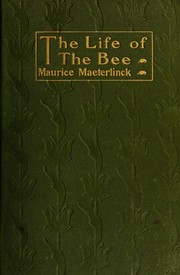
Start with The life of the bee, Maurice Maeterlinck's lyrical classic, for the sense of awe that keeps beginners going. Then get scientific with Bees: An Up-Close Look at Pollinators Around the World and The bees in your backyard, the field guide that reveals just how many wild bee species share your neighborhood.
Raise mason bees
Now to practice. Mason bee revolution, Dave Hunter and Jill Lightner's hands-on guide, is the core text: how to house, manage, and harvest cocoons from these gentle, non-stinging pollinators. Attracting Native Pollinators, the Xerces Society's comprehensive manual, broadens the picture to all the wild bees you can support alongside them.
Feed them well
Bees need a season-long buffet. Planting for honeybees and The American meadow garden teach you to fill gaps in bloom so there is always forage, while Gardening for butterflies extends the same habitat thinking to other pollinators.
See the bigger stakes
Close with A world without bees, which explains why pollinator decline matters, and The Xerces Society Guide to Protecting Native Bees, which turns concern into concrete conservation you can do at home. Together they place your mason bee house inside a larger story worth caring about.
Follow the full path for the stage-by-stage plan.
Follow the full reading path →
Ready to learn something deeply?
Build a reading path — free