Best books on ALS and motor neurone disease
This curriculum moves from personal, human-level understanding of ALS/MND to practical caregiving knowledge and finally to deeper scientific and ethical dimensions of the disease. Starting with memoir builds emotional literacy and vocabulary before clinical and caregiving guides are introduced, ensuring each stage feels accessible rather than overwhelming.
First Voices: Living with ALS
BeginnerUnderstand what ALS/MND feels like from the inside — emotionally, physically, and relationally — and build the human context before any clinical detail.
▸ Study plan for this stage
Pace: 4–5 weeks, ~40–50 pages/day (approximately 2 weeks per book, allowing time for reflection and journaling between sections)
- ALS as a progressive loss of physical autonomy while consciousness and emotional capacity remain intact
- The relational and emotional dimensions of living with terminal illness—how ALS reshapes family, friendship, and identity
- Grief, acceptance, and meaning-making as ongoing processes rather than linear stages
- The lived experience of communication breakdown and how people adapt to losing speech and movement
- Mortality awareness as a catalyst for clarifying values, priorities, and what matters most
- The role of love, humor, and connection in sustaining dignity and purpose in the face of decline
- How caregivers and loved ones experience ALS alongside the person diagnosed
- What does Morrie teach Mitch about how to live well while dying, and how does this differ from Susan's approach to her diagnosis in *Until I Say Good-bye*?
- How do both Morrie and Susan experience the loss of physical independence, and what emotional or relational strategies do they use to maintain a sense of self?
- Describe the role of communication in each narrative—how does ALS's impact on speech and movement change the way these individuals connect with others?
- What does each author reveal about the experience of anticipatory grief—both for the person with ALS and for their loved ones?
- How do Morrie and Susan each find or create meaning in their remaining time, and what does this suggest about human resilience?
- What surprised you most about the emotional or relational aspects of living with ALS as portrayed in these two memoirs?
- Read *Tuesdays with Morrie* in 2 weeks, pausing at the end of each Tuesday's lesson to journal: What is Morrie teaching? How does it apply to living, not just dying?
- Create a two-column chart: one side lists Morrie's losses (physical, social, etc.), the other lists what he gains or preserves (relationships, wisdom, perspective). Repeat for Susan.
- Write a letter from the perspective of either Morrie or Susan to someone newly diagnosed with ALS, drawing on their lived wisdom from the books.
- Read *Until I Say Good-bye* in 2 weeks, noting moments where Susan's voice, agency, or humor shine through despite her physical decline. Highlight 3–5 passages that moved you and explain why.
- Conduct a reflective dialogue: Write out a conversation between Morrie and Susan discussing how they each face mortality, loss, and meaning. What would they say to each other?
- Create a visual timeline or mind map for each person showing key emotional/relational turning points (not medical milestones) in their ALS journey, then compare the two.
Next up: This stage establishes the human reality of ALS—the emotional, relational, and existential dimensions—providing essential context for the next stage, which will introduce the clinical and medical understanding of the disease itself.

The most widely read introduction to ALS in the world; it gently opens the door to the disease's progression and the profound questions it raises about dignity and meaning, making it the ideal first read.

A journalist's own account of living joyfully after her ALS diagnosis; read second, it shifts the lens from observer to patient and introduces the concept of intentional living with a terminal illness.
Caregiving in Practice
IntermediateDevelop concrete, practical skills and emotional resilience for caregivers — managing daily care, communication, assistive technology, and caregiver self-care.
▸ Study plan for this stage
Pace: 4–5 weeks, ~40–50 pages/day, with 2–3 dedicated review days per week for practical application
- Symptom progression patterns and disease staging to anticipate care needs and plan interventions proactively
- Respiratory management, swallowing difficulties, and nutritional support as core caregiving priorities
- Communication strategies and adaptive technologies (AAC devices, eye-tracking) to maintain connection as speech declines
- Emotional and psychological impacts on both patients and caregivers, including depression, anxiety, and grief
- Practical daily care routines: mobility assistance, hygiene, positioning, and fall prevention
- Palliative and end-of-life care principles, including advance planning and symptom management
- Caregiver burnout recognition and self-care strategies to sustain long-term caregiving capacity
- Interdisciplinary team coordination (neurology, speech therapy, nutrition, social work) and resource navigation
- How does ALS progression differ across bulbar, spinal, and respiratory-onset presentations, and what caregiving adjustments does each require?
- What are the early warning signs of swallowing and respiratory compromise, and how should a caregiver respond?
- How do you select and introduce assistive communication technology to a patient, and what are common barriers to adoption?
- What are the primary sources of caregiver stress and burnout in ALS care, and what evidence-based coping strategies can help?
- How do you facilitate conversations about advance directives, palliative care, and end-of-life preferences with a patient and family?
- What role does the interdisciplinary care team play, and how do you coordinate care across multiple specialists?
- Create a symptom-tracking log for a hypothetical ALS patient at three disease stages (early, mid, late), noting specific care tasks and equipment needs at each
- Role-play a conversation with a patient about introducing a speech-generating device or AAC technology, practicing both reassurance and practical guidance
- Design a weekly caregiver self-care plan that includes respite care, emotional support, and stress-management activities realistic for someone with limited time
- Develop a one-page advance directive discussion guide based on Mitsumoto's guidance, including key topics and sensitive language
- Observe or shadow a caregiver (if possible) for 2–4 hours, documenting daily care routines, challenges, and emotional moments; reflect on what you learned
- Build a resource map for your local area (or a hypothetical region): identify ALS clinics, speech therapists, home health agencies, and support groups, and create a referral checklist
Next up: This stage equips you with the practical, emotional, and relational skills to support ALS patients and their families through disease progression; the next stage will deepen your understanding of research advances, emerging therapies, and how to evaluate evidence to inform future care decisions.
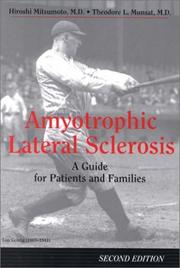
The most authoritative and widely recommended clinical guide written for non-specialists; it covers every stage of the disease, symptom management, and care decisions in clear language — the essential caregiving reference.
Deeper Perspectives: Science, Ethics & Advocacy
ExpertEngage with the cutting edge of ALS research, the ethics of end-of-life care, and the broader social and advocacy dimensions of the disease.
▸ Study plan for this stage
Pace: 6–8 weeks, ~40–50 pages/week (approximately 2–3 chapters per week, allowing time for reflection and note-taking)
- The distinction between curative and palliative medicine, and how this applies to progressive neurodegenerative diseases like ALS
- How conversations about mortality, goals of care, and quality of life should shape medical decision-making
- The role of autonomy and patient agency in end-of-life planning, including advance directives and shared decision-making
- The psychological and existential dimensions of living with terminal illness, and how medicine often fails to address these
- The tension between prolonging life and preserving dignity, autonomy, and meaning in the final stages of disease
- How systemic barriers in medical training and healthcare culture prevent honest discussions about mortality
- The importance of interdisciplinary care teams (physicians, nurses, social workers, chaplains) in addressing whole-person needs
- Advocacy and social responsibility: how individual patient stories illuminate broader failures in the healthcare system
- What does Gawande mean by the shift from 'cure' to 'care,' and how would this shift change the approach to ALS management?
- How does Gawande argue that medical training and culture contribute to avoidance of end-of-life conversations, and what are the consequences for patients with progressive diseases?
- What role does patient autonomy play in Gawande's framework for 'being mortal,' and how can this be honored in ALS care?
- Describe the concept of 'goals of care' conversations. What makes them difficult, and why does Gawande believe they are essential?
- How does Gawande illustrate the gap between what patients actually want at the end of life and what the medical system typically provides?
- What is the relationship between accepting mortality and finding meaning or quality of life in the final stages of illness?
- Create a personal advance directive or goals-of-care document for a hypothetical ALS patient at different disease stages (early, mid, late), reflecting on how priorities might shift
- Conduct a mock 'goals of care' conversation between a physician and an ALS patient/family member, then reflect on what made it difficult or effective
- Analyze 2–3 case studies from Being Mortal and map how Gawande's principles could have improved the care trajectory; identify specific moments where conversations should have occurred
- Write a reflection essay (1,500–2,000 words) on how the medical system's culture of cure vs. care applies specifically to ALS, drawing on Gawande's arguments
- Interview a healthcare provider (physician, nurse, social worker, palliative care specialist) about their experience with end-of-life conversations in progressive neurological disease; synthesize insights with Gawande's critique
- Design a patient-centered care protocol for an ALS clinic that incorporates Gawande's principles of autonomy, meaning-making, and honest communication at each disease stage
Next up: This stage establishes the ethical and human foundations for understanding ALS care—moving beyond biology to confront the lived experience, decision-making dilemmas, and systemic failures that shape outcomes—preparing you to engage with advocacy movements, policy frameworks, and diverse patient voices in subsequent stages.
A profound meditation on watching a loved one lose capacities while their personhood endures; it deepens ethical thinking about identity, dignity, and the role of the caregiver-witness.

A surgeon's landmark examination of end-of-life care and how medicine can better honor patient autonomy and dignity — essential reading for anyone making or supporting end-of-life decisions in ALS.
Discussion
Keep reading
Paths that share books, cover the same subject, or open a related topic.