Best books on surviving divorce and rebuilding your life
This curriculum moves from raw emotional survival through practical co-parenting logistics and finally into rebuilding a full, forward-looking life. Each stage assumes the reader has absorbed the emotional vocabulary and coping tools of the previous one, so the path feels supportive rather than overwhelming — always complementing, never replacing, professional counseling.
Surviving the Storm
BeginnerStabilize emotionally, understand the grief cycle of divorce, and feel less alone in the immediate aftermath.
▸ Study plan for this stage
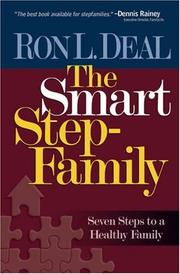
Pace: 4–5 weeks, ~25–30 pages/day. Start with Fisher's Workbook (approximately 200 pages), then move to Ahrons' The Good Divorce (approximately 280 pages). Allow time for reflection and workbook exercises between reading sessions.
- The Rebuilding Blocks model: understanding the 19 emotional and psychological stages of divorce recovery (Fisher)
- Grief as a natural, non-linear process with distinct phases: denial, anger, bargaining, depression, and acceptance
- The concept of 'good divorce' vs. 'bad divorce': how choices and mindset shape post-divorce outcomes (Ahrons)
- Identifying your current position in the grief cycle and normalizing emotional volatility
- The role of social support and community in surviving the immediate aftermath
- Reframing divorce as a transition rather than a failure, and recognizing resilience within crisis
- Understanding how childhood experiences and attachment patterns influence divorce response (Fisher's foundation work)
- Practical coping strategies for managing daily emotional overwhelm and building stability
- What are the 19 Rebuilding Blocks, and where do you currently fall in this progression?
- How does understanding the grief cycle help you normalize your emotional responses right now?
- According to Ahrons, what distinguishes a 'good divorce' from a 'bad divorce,' and what role do your choices play?
- What specific coping strategies from Fisher's workbook feel most applicable to your current situation?
- How can you build or strengthen your support network based on what you've learned about the importance of community?
- What is one limiting belief about divorce that you held before reading, and how has it shifted?
- Complete Fisher's self-assessment exercises in the Workbook to identify which Rebuilding Blocks resonate most with your current experience; journal your findings.
- Map your emotional journey over the past month using the five-stage grief model; note which stage(s) you cycle through most frequently and what triggers transitions between them.
- Identify 3–5 people in your life who can serve as your support network; reach out to at least one person per week with a specific need or update.
- Write a letter to yourself from the perspective of someone who has successfully moved through divorce recovery; what would they tell you about where you are now?
- Create a 'stability toolkit': list 5–7 concrete actions you can take when emotional overwhelm peaks (e.g., call a friend, take a walk, journal, meditate). Practice at least two this week.
- Reflect on one decision or choice you've made since the separation; evaluate it through Ahrons' lens of 'good divorce' principles. What would you do differently, if anything?
Next up: By stabilizing emotionally and understanding that your grief is normal and cyclical, you're now ready to move beyond survival mode into the next stage, which will focus on rebuilding identity, processing the relationship's end, and beginning to envision your future self.
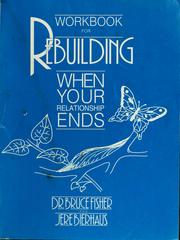
The classic starting point for divorce recovery — its 'rebuilding blocks' model gives beginners a clear, compassionate map of the emotional stages ahead, making everything that follows easier to contextualize.

Read second to reframe the narrative: divorce doesn't have to be a failure. Ahrons introduces the idea of a 'binuclear family,' which reduces shame and opens the mind to co-parenting possibilities introduced later.
Healing the Inner Wounds
BeginnerProcess grief, anger, and identity loss at a deeper emotional level using proven therapeutic frameworks.
▸ Study plan for this stage
Pace: 8–10 weeks, ~25–30 pages/day, with 2–3 reflection days per week
- The Crazy Time framework: understanding the 5–7 year emotional recovery cycle and its distinct phases (shock, denial, anger, ambivalence, acceptance)
- Grief as a non-linear process with predictable emotional stages that require active processing, not suppression
- Identity reconstruction after divorce: reclaiming the self separate from the marriage and rebuilding core beliefs about worthiness
- The role of anger and blame in healing: channeling destructive emotions into constructive self-awareness and boundary-setting
- The JFDI (Just F***ing Do It) method and the No Contact Rule: practical frameworks for breaking emotional cycles and preventing backsliding
- Distinguishing between healthy grieving and rumination: learning when to process emotions versus when to redirect energy forward
- Reframing the divorce narrative: moving from victim story to empowered survivor with agency in your future
- What are the main phases of Crazy Time according to Trafford, and how long does the full recovery cycle typically take?
- How does Susan Elliott's approach to 'getting past your breakup' differ from simply 'moving on,' and why is this distinction important?
- What does it mean to process grief actively, and what are the dangers of suppressing or avoiding emotional pain after divorce?
- How can you use anger constructively in your healing journey rather than letting it consume you or harm your relationships?
- What is the No Contact Rule, and why is it a critical tool for emotional recovery according to Elliott?
- How do you begin to rebuild your identity and sense of self-worth after a marriage ends?
- Emotion mapping: For one week, track your daily emotions in a journal using Trafford's Crazy Time phases as a framework—note which phase you're in and what triggered it. Review patterns at week's end.
- Grief letter writing: Write three unsent letters—one expressing your anger, one grieving what you've lost, and one forgiving yourself. Do not send them; the purpose is emotional release and clarity.
- No Contact commitment: If you haven't already, implement Elliott's No Contact Rule (no calls, texts, emails, or social media contact). Document the urges to break it and what you do instead for 30 days.
- Identity inventory: List 20 things about yourself that have nothing to do with your marriage (interests, values, strengths, dreams). Identify 3–5 you've neglected and create a plan to reconnect with them.
- Anger ritual: Choose a safe, private way to express anger (write and burn a letter, punch a pillow, scream in your car, create angry art). Do this at least twice during the reading, and reflect on what shifted afterward.
- Narrative reframe: Write your divorce story twice—first as a victim narrative, then as a survivor narrative where you acknowledge your agency and growth. Compare the two and identify which version empowers you.
Next up: By processing the deep emotional wounds and rebuilding a coherent sense of self through these frameworks, you'll be ready to move forward into practical life reconstruction—establishing healthy boundaries, rebuilding relationships, and creating a sustainable new life structure.
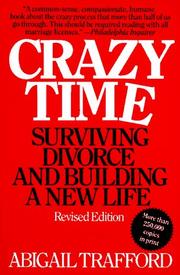
Trafford's honest, narrative-driven account of the emotional chaos of divorce normalizes the 'crazy' feelings beginners are experiencing and builds emotional literacy before moving to heavier self-work.

A structured, workbook-style approach to grief and loss that gives readers concrete exercises — a natural next step after understanding the emotional landscape, turning insight into daily practice.
Co-Parenting with Clarity
IntermediateMaster the practical and emotional skills needed to co-parent effectively, protect children's wellbeing, and communicate with an ex-partner.
▸ Study plan for this stage
Pace: 4–5 weeks, ~25–30 pages/day. Start with "Mom's House, Dad's House" (weeks 1–3, ~350 pages), then move to "Co-Parenting Works!" (weeks 4–5, ~200 pages). Allow 2–3 days between books for reflection and integration.
- The two-household family model: understanding how to create stability and consistency across two separate homes with distinct routines, rules, and environments
- Parenting plans and schedules: designing custody arrangements that prioritize children's developmental needs and minimize transition stress
- Emotional regulation and conflict management: managing your own triggers and emotions to prevent children from becoming caught in parental conflict
- Child-centered communication with your ex: techniques for keeping conversations focused on the children's needs rather than personal grievances
- Age-appropriate parenting across households: adapting your parenting approach to each child's developmental stage while maintaining consistency
- Practical logistics and co-parenting infrastructure: managing calendars, finances, medical decisions, and information-sharing systems that reduce friction
- Protecting children's wellbeing: recognizing signs of stress in children and implementing strategies to help them thrive in a two-home environment
- Building a co-parenting partnership: shifting from a spousal relationship to a functional business-like partnership focused on shared parenting goals
- What is the two-household family model, and how does it differ from a traditional single-household approach to parenting?
- How do you design a parenting schedule that meets your children's developmental needs while being realistic for both parents' lives?
- What are the most effective communication strategies for discussing parenting decisions with your ex-partner, and how do you keep conversations child-focused?
- How can you recognize when your children are struggling with the transition between households, and what interventions can help?
- What practical systems (calendars, shared documents, communication tools) should you put in place to reduce misunderstandings and conflict?
- How do you manage your own emotional triggers during co-parenting interactions, and why is this critical for your children's wellbeing?
- Design a detailed parenting schedule for your specific situation using Ricci's framework: map out a full week/month, including transitions, holidays, and special events. Identify potential friction points and adjust.
- Create a co-parenting communication protocol: write down 3–5 ground rules for conversations with your ex (e.g., email for non-urgent matters, phone calls for urgent issues, no personal attacks). Practice using it for one week.
- Conduct a household inventory: list the rules, routines, and expectations in each home (bedtimes, screen time, chores, discipline). Identify where consistency is needed and where flexibility is acceptable; discuss alignment with your co-parent.
- Practice emotion-regulation techniques: identify your top 3 triggers in co-parenting interactions (e.g., ex's lateness, criticism of your parenting). For each, write a specific de-escalation strategy and role-play it.
- Interview your children (age-appropriately) about their experience transitioning between homes: What do they like about each house? What's hard? What would help? Document insights and share relevant feedback with your co-parent.
- Build a shared co-parenting infrastructure: set up a shared calendar (Google Calendar, Cozi, or OurFamilyWizard), a document for medical/school info, and a communication channel. Use it for 2 weeks and refine based on what works.
Next up: This stage equips you with the structural and emotional tools to co-parent effectively in the present; the next stage will deepen your ability to heal your own emotional wounds and rebuild your identity, enabling you to model resilience and wholeness for your children.
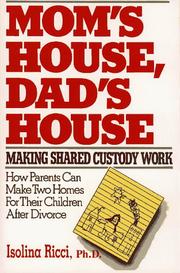
The definitive guide to building two stable homes for children — read first in this stage because it establishes the logistical and psychological framework (schedules, boundaries, communication) that the next book builds on.

Complements Ricci with a warmer, values-driven perspective on cooperation and child-centered communication, deepening the reader's toolkit for handling conflict and difficult conversations with an ex.
Reclaiming Your Identity
IntermediateRediscover who you are outside of the marriage, rebuild self-worth, and lay the psychological groundwork for a new chapter.
▸ Study plan for this stage
Pace: 4-5 weeks, ~25-30 pages/day (approximately 200 pages total)
- The difference between endings that are necessary vs. those driven by avoidance or impulse, and how to distinguish them in your own life
- The four stages of necessary endings: reality, responsibility, structure, and new beginnings
- How to identify and release relationships, situations, and patterns that no longer serve your growth
- The role of boundaries in protecting your identity and creating space for rediscovery
- Grief and loss as essential parts of moving forward, not obstacles to it
- How clarity about your values and vision enables you to make intentional choices about who you become
- The psychological and spiritual work required to close one chapter and open another
- What makes an ending 'necessary' according to Cloud, and how does this framework apply to your marriage and post-divorce life?
- Can you describe the four stages of necessary endings and identify which stage you are currently in?
- What relationships, habits, or identities tied to your marriage need to end for you to move forward, and what is holding you back from making those endings?
- How do you currently set and maintain boundaries, and where do you need to strengthen them to protect your emerging identity?
- What does grief mean to you in the context of divorce, and how can you honor it as part of your healing rather than resist it?
- What are your core values and vision for who you want to become, and how do they differ from who you were in the marriage?
- Mapping exercise: Create a visual or written inventory of all relationships, roles, and patterns from your marriage that are still active in your life. Mark each as 'necessary to keep,' 'necessary to end,' or 'unclear.' Revisit this monthly.
- Boundary audit: Identify three specific situations where you struggle to maintain boundaries (with your ex, family, friends, or yourself). Write out what a healthy boundary would look like in each case and practice stating it aloud.
- Values clarification: Write down 5-7 core values that matter to you now (separate from what your ex valued or what the marriage required). For each, describe how your daily life currently reflects or contradicts that value.
- Grief journaling: Spend 10-15 minutes 3x per week writing about what you are grieving—not just the marriage, but identities, dreams, routines, and versions of yourself. Notice patterns without judgment.
- Vision board or written narrative: Create a detailed picture (visual or written) of who you want to become in the next 1-2 years. Include specific qualities, relationships, activities, and achievements that reflect your authentic self.
- Necessary endings practice: Choose one small ending that Cloud's framework suggests is necessary (a draining friendship, a self-sabotaging habit, a role you've outgrown). Plan and execute it, documenting what you learned about yourself in the process.
Next up: This stage equips you with the clarity and courage to release what no longer serves you, creating psychological and emotional space for the next stage, which will focus on building new relationships, routines, and a life aligned with your rediscovered identity.
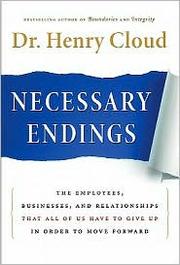
Shifts the reader's mindset from loss to intentional release — a critical psychological pivot before starting over. Cloud's framework helps readers understand why letting go is an act of growth, not defeat.
Moving Forward with Intention
ExpertDesign a purposeful, flourishing life post-divorce — including healthy new relationships, long-term resilience, and a stable sense of self.
▸ Study plan for this stage
Pace: 8–10 weeks, ~25–30 pages/day. Read "Attached" over 4–5 weeks, then "The Journey from Abandonment to Healing" over 4–5 weeks, allowing time for reflection and exercises between books.
- Attachment styles (secure, anxious, avoidant) and how they shape relationship patterns post-divorce
- How your attachment history influences partner selection and relationship dynamics
- The neurobiology of attachment and why certain relationship behaviors feel automatic
- The abandonment wound: its origins, triggers, and how it manifests in post-divorce life
- The five stages of abandonment recovery (Denial, Anger, Bargaining, Despair, Withdrawal) and moving through them intentionally
- Rebuilding a stable sense of self independent of romantic partnership
- Creating healthy boundaries and recognizing red flags in new relationships based on attachment awareness
- Long-term resilience through understanding your relational patterns and making conscious choices
- What is your primary attachment style, and how did it influence your marriage and divorce experience?
- How do the concepts in 'Attached' explain specific relationship patterns you've repeated, and what would secure attachment look like for you?
- What abandonment triggers do you recognize in yourself, and how have they shaped your behavior post-divorce?
- How can you distinguish between healing from abandonment wounds and unhealthy avoidance or rumination?
- What does a purposeful, flourishing life look like for you 2–3 years post-divorce, and what role do healthy relationships play in that vision?
- How will you use your understanding of attachment and abandonment to make intentional choices in future relationships?
- Complete the attachment style self-assessment from 'Attached' and journal about how your style showed up in your marriage—identify 3–4 specific examples.
- Map your relational history: list past relationships and identify patterns in partner selection, conflict, and breakup dynamics; note which attachment concepts explain these patterns.
- Practice the 'secure base' exercise: identify 2–3 people or activities that make you feel safe and grounded; spend intentional time with them weekly and notice how this affects your sense of self.
- Work through the abandonment recovery stages using 'The Journey from Abandonment to Healing': identify which stage(s) you're currently in and write a letter to yourself from the perspective of your healed future self.
- Create a 'relationship readiness checklist' based on secure attachment principles—what emotional stability, self-knowledge, and boundaries do you need before pursuing new relationships?
- Practice boundary-setting in low-stakes situations (with friends, family, colleagues) and journal about how it feels; build confidence before applying to romantic contexts.
Next up: This stage equips you with deep self-knowledge about your attachment patterns and abandonment wounds, positioning you to move into the next stage—whether that's building healthy new relationships, establishing long-term life goals, or developing sustainable practices for ongoing emotional resilience and growth.

Understanding attachment styles is essential before re-entering relationships — this science-backed book explains why past relationships unfolded as they did and how to choose and build healthier ones going forward.

The capstone of the emotional arc: Anderson's five-stage model addresses the deep abandonment wounds divorce can leave, equipping the reader with lasting tools for self-connection and resilience in all future relationships.
Discussion
Keep reading
Paths that share books, cover the same subject, or open a related topic.