Best books on Down syndrome and parenting
This curriculum takes a parent from first diagnosis through the full journey of raising a thriving child with Down syndrome. It begins with emotional grounding and foundational understanding, moves into the science of early development and intervention, and culminates in practical advocacy and long-term planning — each stage building the vocabulary and confidence needed for the next.
First Steps: Understanding & Emotional Grounding
BeginnerGain an honest, hopeful picture of what Down syndrome is, process the emotional journey of a new diagnosis, and hear directly from families who have walked this path.
▸ Study plan for this stage
Pace: 4–5 weeks, ~25–30 pages/day. Start with "Babies with Down Syndrome" (1 week), move to "Road Map to Holland" (2 weeks), finish with "Gifts" (1–2 weeks). Allow time for reflection between books.
- Down syndrome is a genetic condition with wide variability in outcomes—not a tragedy or a predetermined life script
- Early intervention services (therapy, education) are critical tools that families can access and advocate for
- The emotional journey of diagnosis involves grief, shock, and reframing—all valid and normal responses that evolve over time
- Families who have raised children with Down syndrome report unexpected joy, resilience, and transformation alongside real challenges
- Practical parenting strategies from 'Babies with Down Syndrome' (feeding, development, health) provide concrete starting points
- Personal narratives from real families ('Road Map to Holland' and 'Gifts') normalize the emotional experience and offer hope through lived example
- Siblings, extended family, and community support play significant roles in a child's development and family wellbeing
- What are the main physical and developmental characteristics of Down syndrome, and why is there such wide variation in outcomes among children with Down syndrome?
- How does Jennifer Graf Groneberg describe the emotional experience of receiving a Down syndrome diagnosis, and what does she mean by 'Holland' in her metaphor?
- What are three concrete early intervention strategies or therapies mentioned in 'Babies with Down Syndrome,' and how do they support development?
- According to the families in 'Gifts,' what are unexpected gifts or positive aspects of raising a child with Down syndrome, and how do these perspectives challenge common stereotypes?
- How do the authors of these three books describe the role of hope, acceptance, and ongoing growth in their family journeys?
- What practical advice do these books offer for navigating medical care, therapy, school systems, and family relationships in the early years?
- After reading 'Babies with Down Syndrome,' create a one-page reference sheet of early intervention strategies and developmental milestones specific to Down syndrome for your own future use or to share with a support person.
- Read Jennifer Graf Groneberg's 'Holland' essay (the core of 'Road Map to Holland') and write a personal reflection: What emotions does it bring up? How does the metaphor shift your perspective on diagnosis?
- Select one family story from 'Gifts' that resonates with you and write a 1–2 page response exploring what surprised you, challenged you, or gave you hope.
- Create a 'questions for my doctor/early intervention team' list based on information gaps or concerns raised by the three books.
- Interview or connect with one family who has a child with Down syndrome (in person, by phone, or online community). Ask them which of these three books resonated most and why.
- Compile a 'myth vs. reality' chart based on stereotypes you held before reading and what the books actually say about raising a child with Down syndrome.
Next up: This stage establishes an emotional and factual foundation—you now understand what Down syndrome is, have processed initial feelings, and have heard from families who thrive—preparing you to move into the next stage, which will likely focus on practical systems (medical care, education, therapy planning) and long-term development.

The single most recommended first book for new parents — a calm, comprehensive, medically accurate introduction to Down syndrome in infancy that covers health, development, and family life without overwhelming the reader.
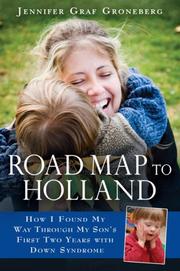
A beautifully written memoir of raising twin boys, one with Down syndrome, that normalizes the grief, joy, and adjustment of early parenthood — essential emotional grounding before diving into clinical material.

An anthology of essays by mothers of children with Down syndrome that broadens perspective and builds community, best read here to reinforce that no two journeys are alike.
Early Intervention & Child Development
BeginnerUnderstand how children with Down syndrome learn and develop, and learn how to actively support speech, motor skills, and cognition through evidence-based early intervention strategies.
▸ Study plan for this stage
Pace: 4–5 weeks, ~25–30 pages/day (approximately 150–180 pages total across both books)
- How children with Down syndrome acquire communication skills differently: oral-motor development, hearing, and language processing pathways
- The critical role of early intervention in the first 3–5 years and how to identify developmental windows for speech and language
- Practical strategies for supporting speech development at home: modeling, repetition, multi-sensory cueing, and functional communication
- Fine motor skill development milestones specific to children with Down syndrome and how muscle tone affects grasp, coordination, and hand strength
- Task analysis and breaking down motor skills into teachable steps that match the child's current ability level
- How to adapt activities and environments to promote independence in self-care, play, and learning
- The connection between oral-motor skills and speech production, and how feeding/eating activities support communication development
- Family-centered intervention: how to embed learning into daily routines rather than isolating therapy into separate sessions
- What are the key differences in how children with Down syndrome develop communication skills compared to typically developing children, and why does oral-motor development matter for speech?
- What are the main early intervention strategies Kumin recommends for supporting speech and language development in the home environment?
- How does Bruni describe the relationship between fine motor skill development and everyday functional abilities like feeding, dressing, and play?
- What is task analysis, and how can you use it to teach a specific fine motor skill (e.g., grasping a spoon or buttoning) to a child with Down syndrome?
- How can you identify whether a child's difficulty with speech or motor skills is due to muscle tone, coordination, sensory processing, or cognitive factors?
- What are concrete, evidence-based strategies you can implement immediately in daily routines (meals, bath time, play) to support both communication and motor development?
- Read and annotate Kumin's chapters on oral-motor development and hearing; create a one-page summary of how these systems support speech production
- Observe a child with Down syndrome (or watch a video case study) for 15–20 minutes and document their current communication attempts and motor skills using Kumin's and Bruni's developmental frameworks
- Select one speech goal (e.g., producing a specific sound or word) and design a 2-week home practice plan using Kumin's modeling and repetition strategies; include at least 3 daily routines where you'll embed the practice
- Choose one fine motor skill from Bruni's book (e.g., pincer grasp, scissor use, or buttoning) and perform a task analysis by breaking it into 5–8 micro-steps; practice teaching one step to a child or peer
- Create an activity adaptation guide: take 3 typical play or self-care activities (e.g., coloring, eating, getting dressed) and modify them using Bruni's principles to make them more achievable and engaging for a child with low muscle tone
- Interview a parent or early intervention specialist about how they embed communication and motor practice into daily routines; compare their approach to Kumin's and Bruni's recommendations and reflect on what worked
Next up: This stage equips you with concrete, evidence-based strategies for supporting communication and motor development in the early years; the next stage will likely build on this foundation by exploring how to address behavioral, social, and academic challenges as the child grows, and how to coordinate care across multiple specialists and school systems.

Dr. Kumin is the leading authority on speech and language in Down syndrome; this book gives parents a clear, practical framework for supporting communication from birth — the skill area that most shapes early development.
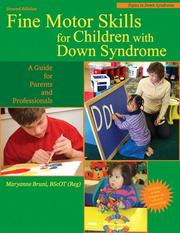
Builds directly on the communication foundation by addressing the motor development that underlies writing, self-care, and play, with concrete home activities that complement therapy.
Research shows children with Down syndrome are often strong visual learners and can read earlier than expected; this step-by-step program is a canonical resource that empowers parents to start literacy work at home.
Medical & Cognitive Science
IntermediateDevelop a working understanding of the medical landscape, brain science, and learning profile specific to Down syndrome so you can engage as an informed partner with your child's medical and therapy team.
▸ Study plan for this stage
Pace: 4–5 weeks, ~20–25 pages/day (approximately 140–175 pages total)
- The neurological and physiological basis of hypotonia (low muscle tone) and its cascading effects on movement development in Down syndrome
- How typical gross motor milestones differ in timing and presentation for children with Down syndrome, and why standard developmental timelines don't apply
- The critical role of postural stability and core strength as foundational prerequisites for all higher-level movement skills
- Practical strategies for positioning, handling, and environmental adaptation to support motor learning without forcing development
- The relationship between motor development and independence in daily living activities (self-care, mobility, play)
- How to recognize and work with compensatory movement patterns that children naturally develop and when to redirect them
- The importance of consistent, play-based practice and repetition in motor skill acquisition for children with Down syndrome
- What is hypotonia and how does it specifically affect the motor development trajectory of children with Down syndrome compared to typically developing peers?
- Why is postural stability considered foundational, and what practical problems arise when a child lacks adequate core strength?
- How do you distinguish between a child who is developmentally delayed in gross motor skills versus one who has learned an inefficient compensatory pattern, and why does this distinction matter for intervention?
- What are 3–4 concrete positioning or handling strategies you could implement at home to support your child's motor development during daily routines?
- How does gross motor development directly impact your child's ability to participate in family activities, school settings, and peer play?
- What role does repetition and practice play in motor learning for children with Down syndrome, and how can you build this into everyday activities rather than relying solely on therapy sessions?
- Video analysis: Record your child during a typical daily activity (getting dressed, playing on the floor, climbing stairs). Watch it back and identify one postural weakness or compensatory pattern Winders describes; note what you observe and discuss with your child's PT.
- Positioning audit: Walk through your home and identify 3 spaces where your child plays or spends time. For each, note the current setup and redesign one space using Winders' principles of postural support (e.g., better seating, floor cushions, accessible climbing surfaces).
- Practice one handling technique: Select one technique from Winders (e.g., proper way to help your child transition from sitting to standing, or how to support during climbing). Practice it daily for 2 weeks and document how your child's response changes.
- Create a motor practice routine: Design a 10–15 minute play-based activity that targets one gross motor goal your child is working toward (e.g., sitting balance, weight shifting, stepping). Embed it into a daily routine (after breakfast, before bed) and track frequency and progress.
- Interview your child's physical therapist: Prepare 3–4 questions based on Winders' concepts (e.g., "What compensatory patterns should I watch for?" "How can I reinforce what you're working on during the week?"). Document their answers and your action items.
- Peer observation: If possible, observe your child playing alongside a typically developing peer of similar age. Note the gross motor differences Winders would predict, and reflect on how these differences might affect social participation and independence.
Next up: This stage builds the foundational understanding of *how* your child's body and brain develop movement—essential context for the next stage, which will likely explore cognitive development, learning strategies, and how to support academic and adaptive skills by working *with* rather than against these motor and neurological realities.

The definitive physical therapy guide for parents, covering motor milestones from birth through walking and beyond; pairs with the earlier fine motor book to complete the developmental picture.
Education, Advocacy & Thriving at School
IntermediateLearn how to navigate the school system, advocate for inclusive education, and implement strategies that help your child reach their academic and social potential.
▸ Study plan for this stage
Pace: 6–8 weeks, ~25–30 pages/day, with 1–2 days per week for reflection and advocacy planning
- Understanding the IEP (Individualized Education Program) process and your legal rights as a parent under IDEA
- How to effectively communicate and negotiate with school teams to secure appropriate services and accommodations
- Recognizing and addressing systemic barriers to inclusive education in mainstream classrooms
- Building a collaborative relationship with educators while maintaining advocacy boundaries
- Practical strategies for supporting your child's academic learning and social integration at school
- Connecting with other families and communities to strengthen your advocacy voice and access peer wisdom
- What are the key components of an IEP, and what is your role in developing and reviewing it?
- How do you prepare for an IEP meeting to ensure your child's needs are heard and documented?
- What does inclusive education look like in practice, and what barriers might prevent your child from accessing it?
- How can you balance collaboration with school staff while advocating firmly for your child's rights?
- What specific academic and social strategies does Anderson and Kidder recommend for supporting learning in the school setting?
- How can connecting with other families and sharing experiences strengthen your advocacy efforts?
- Draft a one-page summary of your child's strengths, needs, and learning style to bring to your next IEP meeting
- Create a checklist of questions and concerns to ask at your child's IEP meeting, organized by academic, social, and behavioral priorities
- Research your state's special education laws and IDEA regulations; write a 2–3 page summary of your child's key legal protections
- Role-play an IEP meeting conversation with a partner or mentor, practicing how to respectfully push back on recommendations you disagree with
- Identify 2–3 specific academic or social strategies from the books and implement one in your home routine; document what works and what doesn't over 2 weeks
- Connect with at least one parent advocacy group or online community focused on Down syndrome and education; attend a meeting or forum and share one insight you learned
Next up: This stage equips you with the knowledge and advocacy tools to secure your child's educational rights and access inclusive learning; the next stage will deepen your understanding of how to foster your child's long-term independence, self-determination, and transition planning beyond school.

The most trusted plain-language guide to IEPs, special education law, and parent rights — essential reading before your child enters any school program.

A visually rich, story-driven book that reinforces the social and emotional dimensions of inclusion and belonging, providing motivational context alongside the legal and academic frameworks.
Long-Term Vision: Adolescence, Independence & the Future
ExpertPlan confidently for your child's adolescence, adult life, self-determination, and community inclusion — and understand the latest research on what a full, meaningful life with Down syndrome looks like.
▸ Study plan for this stage
Pace: 6–8 weeks, ~25–30 pages/day with reflection breaks; plan for 2–3 dedicated reading sessions per week to allow time for note-taking and personal application
- Transition planning frameworks: IEP/IHP goals aligned with self-determination and community participation across middle school, high school, and post-secondary years
- Self-determination and choice-making: scaffolding autonomy, informed decision-making, and meaningful self-advocacy skills in adolescents with Down syndrome
- Vocational exploration and employment pathways: supported employment, customized employment, and community-based work experiences that match strengths and interests
- Social and sexual development: age-appropriate education, relationship skills, safety, and navigating peer relationships during adolescence
- Post-secondary options: higher education, day programs, residential independence, and community integration beyond the school system
- Family role shifts: moving from hands-on management to coaching, mentoring, and stepping back to allow growth and natural consequences
- Legal and financial planning: guardianship alternatives, special needs trusts, benefits planning, and long-term care structures
- Inclusive community participation: leisure, recreation, spirituality, and social belonging as cornerstones of adult quality of life
- What are the core components of an effective transition plan, and how do you align IEP/IHP goals with self-determination and community inclusion?
- How can you scaffold choice-making and self-advocacy skills in your adolescent, and what does age-appropriate autonomy look like at different stages?
- What employment and vocational pathways are available for adults with Down syndrome, and how do you explore and match them to your child's strengths?
- How should you approach conversations about social relationships, sexuality, and safety during adolescence?
- What post-secondary living and day program options exist, and how do you evaluate them against your family's values and your child's goals?
- How does your parental role change during adolescence and adulthood, and what does healthy stepping-back look like?
- Map your child's current strengths, interests, and support needs across academic, social, vocational, and life skills domains; use this as a baseline for transition planning.
- Draft a 5-year transition vision statement (ages 14–19 or current age forward) that articulates specific, measurable goals in employment, community participation, social connection, and independence.
- Create a choice-making practice plan: identify 3–5 low-stakes daily decisions your child can make independently, and 2–3 medium-stakes decisions where they lead with your coaching.
- Research and compare 2–3 post-secondary options available in your area (employment programs, day programs, higher education, residential models); document pros, cons, and fit for your family.
- Develop an age-appropriate sexuality and relationship education plan aligned with your values; outline topics, resources, and conversation milestones for the next 12–24 months.
- Interview or shadow a parent of an adult with Down syndrome about their transition journey, role changes, and lessons learned; reflect on what resonates with your own vision.
Next up: This stage equips you with concrete transition frameworks and long-term planning tools; the next stage will likely deepen your understanding of specific support strategies, community resources, and ongoing advocacy to implement and refine these plans as your child moves into adulthood.

A comprehensive, practical roadmap for the transition from school to adult life, covering employment, housing, relationships, and legal planning — the natural culmination of everything learned in earlier stages.
Discussion
Keep reading
Paths that share books, cover the same subject, or open a related topic.