Autoimmune Disease: The Best Books to Calm Inflammation and Feel Better
This curriculum starts at an intermediate level, building a solid conceptual foundation in how the immune system and inflammation work, then moves into the science of autoimmune disease, and finally into evidence-based diet and lifestyle strategies that complement medical care. Each stage deepens the prior one — from understanding the "why" of immune dysfunction, to the "how" of healing through food, gut health, and daily habits.
How Inflammation & Immunity Actually Work
IntermediateBuild a clear mental model of the immune system, what inflammation is, what drives it, and why it sometimes turns against the body — giving you the vocabulary to understand everything that follows.
▸ Study plan for this stage
Pace: 4–5 weeks, ~40–50 pages/day. Start with "The Inflammation Spectrum" (Week 1–2, ~250 pages), then move to "Immune" (Week 3–5, ~500 pages). Allow 2–3 days between books to consolidate concepts.
- The inflammation spectrum: acute vs. chronic inflammation, and how chronic low-grade inflammation drives disease
- The innate immune system: first-line defenders (skin, mucus, white blood cells) and their role in immediate response
- The adaptive immune system: how T cells and B cells learn to recognize specific threats and create long-term immunity
- Immune tolerance and the self/non-self distinction: why the immune system normally doesn't attack your own cells, and what breaks this tolerance
- The inflammatory cascade: cytokines, signaling molecules, and the molecular mechanisms that trigger and sustain inflammation
- Metabolic and lifestyle drivers of inflammation: how diet, stress, sleep, and gut health fuel the inflammation spectrum
- The gut microbiome's role in immune regulation: how commensal bacteria educate the immune system and prevent autoimmunity
- Autoimmunity as immune dysregulation: when tolerance breaks down and the immune system mistakenly targets self-antigens
- What is the difference between acute and chronic inflammation, and why is chronic inflammation particularly dangerous in autoimmune disease?
- How do the innate and adaptive immune systems work together, and what is the timeline for each to respond to a threat?
- What is immune tolerance, and what are the main mechanisms that prevent the immune system from attacking your own cells?
- How do cytokines and inflammatory signaling molecules drive the inflammatory cascade, and which ones are most relevant to autoimmune disease?
- What role does the gut microbiome play in immune education and tolerance, and how can dysbiosis contribute to autoimmunity?
- How do lifestyle factors (diet, stress, sleep, exercise) influence inflammation and immune tolerance at a molecular level?
- Create a visual timeline showing the acute inflammatory response (from injury to resolution) and contrast it with the chronic inflammation cycle described in Cole's spectrum framework.
- Map the innate immune system's components (skin, mucus, neutrophils, macrophages, dendritic cells) and their specific roles—use Dettmer's explanations to label the 'why' behind each defense.
- Build a diagram of the adaptive immune system showing how dendritic cells present antigens to T cells and B cells, and how this leads to immune memory (reference both books' explanations).
- List 5–10 inflammatory cytokines (TNF-α, IL-6, IL-17, etc.) and research which ones are implicated in common autoimmune diseases—connect this to Cole's discussion of inflammation drivers.
- Track your own inflammation markers for one week: note diet, stress, sleep, and energy/symptoms daily, then hypothesize which lifestyle factors most affect your inflammation spectrum based on Cole's framework.
- Write a one-page explanation of how a breakdown in immune tolerance could lead to autoimmunity, using specific mechanisms from Dettmer's immune system explanation.
Next up: This stage equips you with the foundational vocabulary and mental models—understanding what inflammation is, how immunity normally works, and why it sometimes fails—so you're ready to explore specific autoimmune diseases, their triggers, and targeted interventions in the next stage.

A highly accessible yet science-grounded introduction to how chronic inflammation manifests across body systems. Ideal first read for an intermediate learner because it frames inflammation as a spectrum rather than a binary, setting up the nuance needed for later books.

A beautifully illustrated, rigorous tour of the entire immune system. Reading this second gives you precise immunological vocabulary — T cells, cytokines, autoimmunity triggers — that makes every subsequent book far more meaningful.
Understanding Autoimmune Disease
IntermediateUnderstand the specific mechanisms by which the immune system attacks the body's own tissues, the role of genetics and environment, and how autoimmune conditions are diagnosed and categorized.
▸ Study plan for this stage
Pace: 4–5 weeks, ~40–50 pages/day. Start with "The Autoimmune Connection" (approximately 350 pages) over 2 weeks, then "The Autoimmune Epidemic" (approximately 400 pages) over 2–3 weeks, with 2–3 days built in for review and integration.
- The breakdown of immune tolerance and loss of self/non-self discrimination in autoimmune disease
- How genetic predisposition (HLA genes, polymorphisms) combines with environmental triggers (infections, toxins, stress) to initiate autoimmunity
- The role of T cells, B cells, and antibodies in attacking the body's own tissues across different autoimmune conditions
- The distinction between organ-specific autoimmune diseases (e.g., thyroid, pancreas) and systemic autoimmune diseases (e.g., lupus, rheumatoid arthritis)
- Diagnostic criteria and laboratory markers (antibodies, inflammatory markers) used to identify and categorize autoimmune conditions
- The epidemiological patterns of autoimmune disease, including why women are disproportionately affected and how prevalence has increased
- Environmental and lifestyle factors (infections, diet, microbiome, hormones) that modulate autoimmune risk and disease progression
- What is immune tolerance, and how does its breakdown lead to autoimmune disease?
- How do genetic and environmental factors interact to trigger autoimmune disease, and what are specific examples from the books?
- What are the key differences between organ-specific and systemic autoimmune diseases, and how do these differences affect diagnosis?
- What role do T cells and B cells play in autoimmune attacks, and how do antibodies contribute to tissue damage?
- What are the major diagnostic markers and tests used to identify autoimmune conditions, and what do they reveal about disease mechanisms?
- Why has the prevalence of autoimmune disease increased in developed nations, according to the epidemiological evidence presented?
- Create a detailed comparison chart of 5–6 autoimmune conditions (e.g., Hashimoto's, type 1 diabetes, lupus, rheumatoid arthritis) listing: target tissue, primary immune cells involved, key antibodies, and diagnostic markers.
- Map out the gene-environment interaction for one autoimmune condition: identify genetic risk factors mentioned in the books and list 3–4 environmental triggers that could activate disease in a genetically predisposed person.
- Write a case study narrative (1–2 pages) describing how a person with a specific autoimmune condition might progress from genetic susceptibility through environmental trigger to diagnosis, using mechanisms from both books.
- Summarize the epidemiological data presented in 'The Autoimmune Epidemic' in a one-page infographic or outline: prevalence trends, demographic patterns (especially gender differences), and proposed explanations.
- Create a diagnostic decision tree for a patient presenting with fatigue, joint pain, and elevated inflammatory markers—what tests would you order and what autoimmune conditions would you consider based on the diagnostic frameworks in the books?
- Identify and analyze 3–4 environmental factors discussed in the books (e.g., infections, diet, stress, toxins) and explain the proposed mechanisms by which each could breach immune tolerance.
Next up: This stage establishes the foundational mechanisms and diagnostic frameworks for understanding autoimmune disease, preparing you to explore specific treatment strategies, management approaches, and emerging therapies in the next stage.
A comprehensive, evidence-based overview of the major autoimmune diseases, written for an informed lay reader. It bridges the immune-system foundation from Stage 1 into the clinical reality of specific diagnoses.

Investigates why autoimmune disease rates are rising, examining environmental triggers, toxins, and stress. Reads after the mechanistic overview to add the crucial 'why now?' context before moving into solutions.
The Gut–Immune Axis
IntermediateUnderstand the central role of the gut microbiome and intestinal permeability ('leaky gut') in driving systemic inflammation and autoimmunity, and how restoring gut health is a cornerstone of any evidence-based strategy.
▸ Study plan for this stage
Pace: 6–7 weeks, ~40–50 pages/day. Read "Gut" by Giulia Enders (approximately 350 pages) over 3 weeks, then "The Autoimmune Solution" by Amy Myers M.D. (approximately 300 pages) over 3–4 weeks, with 1 week for review and integration.
- The gut microbiome composition and diversity directly influence immune system development, tolerance, and the production of pro- and anti-inflammatory signals
- Intestinal permeability ('leaky gut') allows bacterial lipopolysaccharides (LPS) and partially digested food antigens to cross the epithelial barrier, triggering systemic immune activation and autoimmunity
- The gut barrier is maintained by tight junction proteins (claudins, occludin, zonula occludens-1), mucus layers, and beneficial bacterial metabolites (short-chain fatty acids, especially butyrate)
- Dysbiosis—characterized by reduced microbial diversity, loss of keystone species, and overgrowth of pathobionts—is both a cause and consequence of intestinal inflammation and autoimmune disease
- The 4Rs protocol (Remove, Replace, Reinoculate, Repair) provides a structured, evidence-based framework for restoring gut health and breaking the autoimmune cycle
- Specific dietary and lifestyle factors (processed foods, glyphosate, antibiotics, stress, sleep deprivation) damage the microbiome and gut barrier; conversely, whole foods, fermented foods, and stress management restore them
- Molecular mimicry and cross-reactivity between bacterial antigens and self-antigens explain how dysbiosis-driven immune dysregulation can trigger or perpetuate autoimmune disease
- Restoring gut health is a prerequisite for immune tolerance and is foundational to any long-term autoimmune disease management strategy
- How does the composition and diversity of the gut microbiome influence immune tolerance, and what happens when dysbiosis occurs?
- What is 'leaky gut' (increased intestinal permeability), what causes it, and how does it trigger systemic inflammation and autoimmunity?
- Describe the structure and function of the intestinal barrier, including tight junctions, mucus layers, and the role of short-chain fatty acids in maintaining barrier integrity
- What is the 4Rs protocol, and how does each phase (Remove, Replace, Reinoculate, Repair) contribute to restoring gut health and reducing autoimmune symptoms?
- How do specific dietary components (processed foods, seed oils, glyphosate) and lifestyle factors (antibiotics, stress, poor sleep) damage the microbiome and gut barrier?
- Explain the concept of molecular mimicry and how dysbiosis-driven immune dysregulation can trigger cross-reactivity against self-antigens
- Map your own microbiome: document your current diet, medications (especially antibiotics), stress levels, and sleep patterns for 1 week. Identify which factors are likely damaging your gut health based on Enders' and Myers' frameworks
- Conduct a 7-day food diary and categorize each food as 'barrier-damaging' (processed, seed oils, sugar) or 'barrier-healing' (whole foods, fermented foods, fiber-rich plants). Calculate the ratio and set a goal to shift it
- Design a personalized 4Rs protocol timeline: outline which foods/substances you will Remove, which supplements or foods you will Replace them with, which fermented/probiotic foods you will Reinoculate with, and which gut-healing foods (bone broth, L-glutamine, slippery elm) you will use to Repair
- Research and summarize 3 peer-reviewed studies on dysbiosis and autoimmunity (search terms: 'dysbiosis autoimmunity', 'leaky gut autoimmune'). For each, note the mechanism linking microbiome changes to immune dysregulation
- Practice a 2-week elimination of one major gut-damaging category (e.g., processed foods, glyphosate-containing grains, or NSAIDs if applicable) and track any changes in energy, digestion, inflammation markers, or autoimmune symptoms
- Create a visual diagram showing the gut–immune axis: illustrate how dysbiosis → increased intestinal permeability → LPS translocation → TLR4 activation → systemic inflammation → autoimmune activation. Label key molecules and cell types from both books
Next up: This stage establishes the gut microbiome and intestinal permeability as the foundational drivers of systemic inflammation and autoimmunity, positioning you to understand in the next stage how specific dietary and lifestyle interventions (and potentially targeted supplementation or medical therapies) can reverse these mechanisms and achieve lasting remission.

A witty, scientifically sound primer on gut anatomy and the microbiome. Reading this first in the stage makes the more clinical gut-autoimmune connection in the next book immediately intuitive.

A functional-medicine physician lays out a structured, evidence-referenced protocol centered on gut healing, diet, and reducing toxic burden. Builds directly on the gut science just established and introduces a practical framework.
Evidence-Based Diet & Lifestyle Protocols
IntermediateApply specific, research-supported dietary and lifestyle interventions — including anti-inflammatory eating patterns, stress modulation, sleep, and movement — that complement conventional medical treatment.
▸ Study plan for this stage
Pace: 8–10 weeks, ~40–50 pages/day (mix of reading and protocol application)
- The Wahls Protocol's functional medicine approach: how nutrient density and elimination of inflammatory foods (grains, legumes, processed foods) support neurological and immune recovery
- The role of micronutrients (especially B vitamins, minerals, and antioxidants) in reducing systemic inflammation and supporting mitochondrial function
- Anti-inflammatory eating patterns: omega-3/omega-6 balance, plant polyphenols, and whole-food nutrition as tools to modulate immune response
- The stress-inflammation axis: how chronic stress amplifies autoimmune activation through HPA axis dysregulation and immune system priming
- Sleep architecture and circadian rhythm disruption as drivers of inflammatory cytokine production and immune dysregulation
- Movement and exercise as anti-inflammatory interventions: intensity, consistency, and recovery as modulators of systemic inflammation
- Integration of dietary, stress, sleep, and movement protocols into a personalized, sustainable lifestyle framework that complements medical treatment
- What are the core dietary principles of the Wahls Protocol, and how does nutrient density specifically address autoimmune and inflammatory conditions?
- How do omega-3 fatty acids and polyphenol-rich foods reduce neuroinflammation and systemic immune activation according to Babb's framework?
- Explain the physiological mechanisms by which chronic psychological stress triggers and perpetuates autoimmune flares (Sapolsky's stress-inflammation model).
- How do sleep deprivation and circadian misalignment increase pro-inflammatory cytokine production, and what sleep interventions does the literature support?
- What is the relationship between exercise intensity, recovery, and anti-inflammatory adaptation in autoimmune disease?
- How would you design a personalized protocol combining diet, stress management, sleep, and movement for someone with an autoimmune condition?
- Complete a 2-week elimination diet based on the Wahls Protocol (remove grains, legumes, processed foods, seed oils); track energy, symptoms, and digestion daily in a journal
- Conduct a personal micronutrient audit: identify 3–5 nutrient gaps in your current diet and design meals from Babb's recipes that address them (focus on one nutrient per week)
- Map your personal stress-inflammation triggers using Sapolsky's framework: identify 3 chronic stressors, measure their timing against symptom flares, and test one stress-reduction intervention (meditation, breathing, time in nature) for 3 weeks
- Design and implement a sleep protocol: establish consistent sleep/wake times, track sleep quality and morning inflammatory markers (energy, joint pain, brain fog) for 4 weeks
- Create a movement plan aligned with anti-inflammatory principles: choose low-impact, consistent activity (walking, swimming, yoga) at 150 min/week; document recovery and symptom response
- Develop a personalized 8-week protocol integrating all four domains (diet, stress, sleep, movement); document baseline symptoms, weekly adjustments, and outcomes
Next up: This stage equips you with practical, evidence-based tools to actively manage inflammation through daily choices, preparing you to understand how these lifestyle foundations interact with advanced medical interventions, biomarker monitoring, and personalized medicine approaches in the next stage.

A neurologist who reversed her own MS using a nutrient-dense, mitochondria-focused diet presents her clinical research. It is the most rigorously self-documented dietary intervention in the autoimmune space and anchors this stage in real evidence.

Provides practical, recipe-level implementation of anti-inflammatory eating principles, bridging the gap between the protocols described in Wahls and day-to-day meal planning.
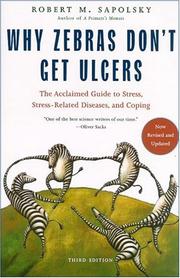
The definitive science of stress and its profound inflammatory consequences. Placed last in this stage because it completes the lifestyle picture — showing that diet alone is insufficient without addressing chronic psychological stress.
Advanced Integration & Functional Medicine
ExpertSynthesize everything into a sophisticated, systems-biology view of autoimmunity — understanding how genes, environment, gut, hormones, and lifestyle interact — and learn to navigate the functional and integrative medicine landscape intelligently.
▸ Study plan for this stage
Pace: 6–8 weeks, ~25–30 pages/day, with 2–3 reflection days per week. Start with "The Disease Delusion" (weeks 1–4, ~400 pages), then "Solving the Autoimmune Puzzle" (weeks 5–8, ~300 pages). Build in 1–2 weeks buffer for integration exercises.
- Functional medicine paradigm: disease as a systems-level dysfunction rather than isolated pathology, with emphasis on root-cause investigation across multiple body systems
- The five core pillars of chronic illness: genetic predisposition, environmental triggers, gut dysbiosis and intestinal permeability, hormonal imbalance, and lifestyle factors (stress, sleep, movement, nutrition)
- Gene-environment interaction: how genetic susceptibility only manifests when environmental and lifestyle conditions create the 'perfect storm' for autoimmune activation
- The gut-immune axis: how dysbiosis, intestinal permeability ('leaky gut'), and microbial dysregulation directly drive systemic inflammation and autoimmune responses
- Hormonal regulation of immunity: the role of estrogen, cortisol, thyroid, and sex hormones in modulating Th17/Treg balance and immune tolerance
- Personalized systems-biology assessment: moving beyond standard diagnostics to functional markers (zonulin, lipopolysaccharide, inflammatory cytokines, HPA axis function) that reveal individual mechanisms
- Functional medicine protocols: targeted interventions addressing elimination diets, microbiome restoration, stress resilience, circadian rhythm optimization, and nutrient repletion based on individual phenotype
- Integration of conventional and functional medicine: when to use conventional immunosuppression, when functional approaches suffice, and how to combine both intelligently
- How does the functional medicine model differ from the conventional disease-centered model, and why is understanding autoimmunity through a systems lens more predictive than focusing on a single diagnosis?
- Describe the gene-environment interaction in autoimmunity: what role do genetic variants play, and what environmental/lifestyle factors are required to 'turn on' autoimmune disease?
- Explain the mechanisms by which gut dysbiosis and intestinal permeability contribute to systemic autoimmunity, and how does the microbiome influence Th17/Treg balance?
- What are the key hormonal regulators of immune tolerance, and how do imbalances in estrogen, cortisol, and thyroid function increase autoimmune risk?
- What functional medicine markers (beyond standard antibody titers and inflammatory cytokines) should be assessed to identify individual mechanisms driving autoimmunity in a specific patient?
- Design a personalized functional medicine protocol for an autoimmune patient: what assessment steps would you take, what interventions would you prioritize, and how would you sequence them?
- Create a personal 'systems map' of your own health: identify your genetic predispositions, past/present environmental exposures, current gut health status, hormonal patterns, and lifestyle stressors. Map the connections between these domains.
- Conduct a functional medicine intake interview with a friend or family member with an autoimmune condition (or use a case study): gather detailed history across diet, stress, sleep, infections, medications, and family patterns. Identify potential root causes using the five-pillar framework.
- Design a 30-day elimination diet protocol: research and plan an autoimmune paleo or similar elimination diet, including meal prep, reintroduction strategy, and symptom tracking. Document expected timeline for gut healing and immune reset.
- Analyze your own microbiome and gut health: order a functional stool test (e.g., GI-MAP, Viome) or review existing results. Interpret dysbiosis patterns, identify missing beneficial bacteria, and propose targeted interventions (prebiotics, probiotics, dietary changes).
- Build a personalized stress-resilience and circadian rhythm protocol: assess your current HPA axis function (cortisol awakening response, sleep quality, stress recovery), then design interventions (meditation, sleep hygiene, light exposure, movement timing) and track changes over 4 weeks.
- Review your own lab work (or a case study's) through a functional medicine lens: identify subclinical markers of inflammation, gut permeability, hormonal imbalance, or nutrient deficiency that standard medicine might miss. Propose functional interventions.
Next up: This stage equips you with a sophisticated, personalized framework for understanding and addressing autoimmunity as a systems-level phenomenon; the next stage will likely focus on translating this knowledge into clinical application, advanced diagnostic protocols, or specialized autoimmune conditions (e.g., specific diseases like lupus, rheumatoid arthritis, or celiac disease) where you apply thes

The founder of functional medicine presents a systems-biology framework for chronic disease, including autoimmunity. This capstone book rewards readers who have built up the prior stages' knowledge and want to think like an integrative clinician.

Integrates trauma, adverse childhood experiences, and psychoneuroimmunology into the autoimmune picture — the most advanced and often overlooked dimension of immune health, making it the ideal final read.
Discussion
Keep reading
Paths that share books, cover the same subject, or open a related topic.