Lupus is famously hard to pin down: the symptoms wander, flares come and go, and diagnosis can take years. That unpredictability is why the reading order matters. You want a trustworthy medical grounding first so you are not at the mercy of scattered advice, then the self-care and coping frameworks, and finally the memoirs that make you feel less alone.
This path builds that arc. It starts clinical, moves into autoimmune lifestyle and chronic-illness coping, and closes with lived experience. Read this way and the practical chapters rest on real understanding rather than fear.
Get the medicine right first
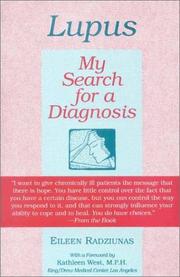
Start with The lupus book by Daniel J. Wallace, widely regarded as the essential patient reference from a leading rheumatologist. Add Lupus by Eileen Radziunas, an accessible personal-and-practical introduction, and later Lupus Q&A by Robert G. Lahita for a clear question-and-answer companion. Together these give you a vocabulary and a map before anything else.
Self-care, flares, and coping
Now build daily resilience. The autoimmune wellness handbook by Mickey Trescott offers a structured lifestyle approach to autoimmune conditions, and The autoimmune connection by Rita Baron-Faust explains why autoimmune diseases disproportionately affect women. For the mental side, How to be sick by Toni Bernhard brings Buddhist-informed acceptance to chronic illness, and The Chronic Illness Workbook by Patricia A. Fennell gives you a phased, practical framework for adapting your life.
Stories that make you feel seen
Finish with voices. Chronically Fabulous by Natalie Egan, Sick by Porochista Khakpour, and Invisible Kingdom, the by Meghan O'Rourke each capture, in different registers, the disorientation of living with a poorly understood chronic illness, and the ways people find footing again.
Lupus is a serious medical condition, and these books complement rather than replace your rheumatologist and treatment plan. Read the path in order, take the lifestyle chapters as options to discuss with your care team, and let the memoirs remind you that the exhaustion is real and shared.
Follow the full reading path →
Ready to learn something deeply?
Build a reading path — free