Best Indonesian Cookbooks to Learn the Cuisine
This curriculum takes you from the foundational flavors and techniques of Indonesian cooking all the way to island-by-island mastery, sambals, spice pastes, and the grand rice table. Each stage builds the pantry knowledge, spice intuition, and cultural context you need before tackling the more specialized and regional depths that follow.
Foundations: Flavors, Pantry & First Dishes
BeginnerUnderstand the essential Indonesian pantry — galangal, lemongrass, candlenuts, shrimp paste, kecap manis — and cook a first set of approachable, iconic dishes like nasi goreng, gado-gado, and basic satay.
▸ Study plan for this stage
Pace: 4–5 weeks, ~25–30 pages/day. Start with Solomon's Indonesian chapters (weeks 1–2), then transition to Oseland's foundational sections and recipes (weeks 3–5).
- The five core Indonesian aromatics and their flavor profiles: galangal (warm, piney), lemongrass (citrusy, floral), candlenuts (creamy thickener), shrimp paste (umami backbone), and kecap manis (sweet soy sauce)
- How to source, store, and substitute these pantry staples when fresh or specialty ingredients are unavailable
- The technique of making spice pastes (bumbu) as the foundation for most Indonesian dishes—grinding, pounding, and balancing heat with sweetness
- The role of coconut milk in Indonesian cooking: when to use it, how to extract it, and how it transforms curries and braises
- Building flavor layers: understanding how Indonesian dishes balance spicy, sweet, salty, and sour elements in a single dish
- Mastering three iconic beginner-friendly dishes—nasi goreng (fried rice), gado-gado (vegetable salad with peanut sauce), and basic satay—as templates for understanding broader cooking principles
- Regional variations within Indonesia and how geography influences ingredient availability and flavor preferences
- What are the five essential Indonesian pantry staples, and what unique flavor or function does each bring to a dish?
- How do you make a basic spice paste (bumbu), and why is this technique so central to Indonesian cooking?
- Explain the role of kecap manis in Indonesian cuisine and how it differs from soy sauce used in other Asian cuisines.
- Walk through the steps of making nasi goreng from scratch, explaining how you build flavor and why each ingredient matters.
- What is gado-gado, what are its essential components, and how does the peanut sauce tie the dish together?
- Describe the difference between satay made with a spice paste versus satay made with a peanut sauce, and when each is appropriate.
- If you cannot find fresh galangal or lemongrass, what are reasonable substitutes, and how would you adjust your cooking?
- Source and taste each of the five core pantry staples individually (galangal, lemongrass, candlenuts, shrimp paste, kecap manis). Note their smell, texture, and flavor profile in a tasting journal.
- Make a basic spice paste (bumbu) from scratch using a mortar and pestle or food processor, following Solomon's or Oseland's method. Practice the technique twice to build muscle memory.
- Cook nasi goreng using day-old rice, following a recipe from Solomon or Oseland. Taste and adjust seasoning (salt, kecap manis, heat) to understand how each element shifts the final dish.
- Prepare gado-gado with fresh vegetables and homemade peanut sauce. Make the sauce twice—once with candlenuts and once without—and compare texture and flavor.
- Make a batch of satay (chicken or tofu) with spice paste, grill or pan-fry, and serve with peanut sauce. Practice skewering and cooking technique.
- Conduct a pantry substitution experiment: cook one dish (e.g., a simple curry) using authentic ingredients, then remake it with substitutes (e.g., ginger for galangal, lime zest for lemongrass). Document how flavor changes.
Next up: This stage grounds you in the essential flavors and techniques that underpin all Indonesian cooking; the next stage will build on these foundations by exploring regional cuisines, more complex spice blends, and dishes that layer multiple techniques together.
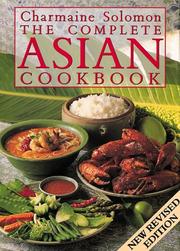
A trusted, widely-used reference that introduces Indonesian dishes alongside their Southeast Asian neighbors, giving beginners essential context for ingredients and techniques before diving into Indonesia exclusively.
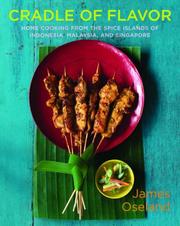
A beautifully written, beginner-friendly deep dive into the home cooking of Indonesia, Malaysia, and Singapore, with clear explanations of spice pastes (bumbu) and sambals that form the backbone of all Indonesian cooking.
Going Deeper: Spice Pastes, Sambals & the Rice Table
IntermediateMaster the construction of bumbu (spice pastes) and sambal from scratch, understand the logic of the rijsttafel (rice table), and cook a wide range of regional dishes with confidence.
▸ Study plan for this stage
Pace: 8–10 weeks, ~25–30 pages/day, with 2–3 cooking sessions per week
- The foundational role of bumbu (spice pastes) as the flavor base for Indonesian cooking, and how to build them from whole spices, aromatics, and chilies
- The distinction between bumbu (cooked spice pastes) and sambal (fresh or fermented condiments), and when to use each
- The structure and philosophy of the rijsttafel (rice table) as a colonial-era presentation of Indonesian dishes, and how it reflects regional and ingredient diversity
- Regional variations in spice profiles and cooking techniques across Indonesia (Javanese, Sumatran, Balinese, etc.) as demonstrated in Sri Owen's and Marks's recipes
- Proper grinding, pounding, and paste-making techniques to develop flavor and texture without modern shortcuts
- How to balance heat, acidity, sweetness, and umami in sambal and curry dishes
- The role of coconut milk, tamarind, and other key ingredients in building complex, layered flavors
- What is the difference between bumbu and sambal, and when would you use each in a meal?
- How do you construct a bumbu from scratch, and what is the purpose of grinding spices together rather than using them individually?
- What is a rijsttafel, and how does it reflect the diversity of Indonesian regional cooking?
- Describe the key flavor profiles and spice pastes of at least three different Indonesian regions (e.g., Java, Sumatra, Bali)
- How do you balance heat, sourness, sweetness, and umami in a sambal or curry dish?
- What are the essential techniques for making a smooth, flavorful spice paste by hand, and why does texture matter?
- Make at least 5 different bumbu from scratch using Sri Owen's recipes (e.g., bumbu kuning, bumbu merah, bumbu rempah), grinding spices by hand or mortar and pestle, and note how flavor develops as you grind
- Prepare 3–4 sambal recipes from Marks's or Owen's books (e.g., sambal oelek, sambal matah, sambal kacang), tasting and adjusting heat and acid balance as you go
- Cook a complete rijsttafel meal using recipes from both books, selecting dishes from different regions to demonstrate the range of bumbu and cooking techniques
- Make a side-by-side comparison: prepare the same dish (e.g., gado-gado or satay) using two different regional variations from the books, and document how bumbu and technique differ
- Grind and taste whole spices individually, then in combination, to understand how bumbu construction develops layered, complex flavors
- Prepare a sambal tasting: make 3–4 different sambals and serve them with simple rice and vegetables, noting which pairs best with which dishes and why
Next up: This stage equips you with the technical foundation and flavor vocabulary to move into advanced applications—whether exploring specialized regional cuisines in depth, mastering street food and snacks, or adapting Indonesian techniques to modern ingredients and dietary preferences.

Sri Owen is the definitive English-language authority on Indonesian cooking; this comprehensive volume covers spice pastes, sambals, and the full rice table with authoritative recipes and cultural depth.

Provides a practical, recipe-driven complement to Sri Owen, with strong coverage of regional variation and everyday Indonesian home cooking that reinforces spice-paste technique.
Iconic Dishes in Focus: Rendang, Satay & Grilling
IntermediateUnderstand the slow-cooked, caramelized depth of rendang and the full world of Indonesian satay — marinades, peanut sauces, and grilling methods — as expressions of specific regional traditions.
▸ Study plan for this stage
Pace: 4–5 weeks, ~25–30 pages/day. Start with "Coconut and Sambal" (weeks 1–2.5) to build foundational understanding of rendang's technique and regional variations, then move to "The Food of Indonesia" (weeks 2.5–5) to deepen satay knowledge and grilling methods across regions.
- Rendang as a slow-cooking technique: how coconut milk reduction, spice paste layering, and caramelization create depth of flavor over extended cooking time
- Regional rendang variations: understanding how Minangkabau, Padang, and other traditions express distinct flavor profiles through ingredient ratios and cooking methods
- Satay marinades and their components: the role of spices, aromatics, and acid in preparing meat for grilling, and how these differ by region
- Peanut sauce as a flavor foundation: balancing sweetness, heat, umami, and acidity; variations from simple to complex across Indonesian regions
- Grilling as technique and tradition: direct heat management, timing, and the cultural significance of satay in street food and ceremonial contexts
- Sambal as flavor amplifier: how fresh and cooked sambals complement rendang and satay, and their role in the broader Indonesian flavor vocabulary
- Ingredient sourcing and substitution: identifying essential vs. optional ingredients, and how to adapt recipes while maintaining authenticity
- The interplay between technique, tradition, and terroir: how geography, available ingredients, and cultural history shape these iconic dishes
- What is the chemical and sensory process that occurs during rendang cooking, and why is the slow reduction of coconut milk essential to achieving its characteristic depth?
- How do rendang recipes differ between Minangkabau and other regional traditions, and what do these differences reveal about local ingredient availability and cultural preferences?
- What are the key components of an effective satay marinade, and how do marinading times and techniques vary across Indonesian regions?
- How do you balance the five flavor elements (sweet, salty, sour, spicy, umami) in a peanut sauce, and what are 3–4 regional variations you can identify from the texts?
- Describe the relationship between satay preparation, grilling technique, and the cultural context in which satay is traditionally served.
- How do sambals function as both a standalone condiment and a complement to rendang and satay, and what makes them distinct from the sauces used in these dishes?
- Cook a rendang from 'Coconut and Sambal' (e.g., beef or chicken rendang) and document the visual and textural changes at 15-minute intervals; note when caramelization begins and how the sauce transforms.
- Prepare two rendang recipes from different regional traditions (one from Lee's book, cross-reference with von Holzen) and conduct a side-by-side tasting, noting differences in spice balance, coconut intensity, and depth.
- Make a satay marinade from scratch using Lee's or von Holzen's recipe; marinate meat for the recommended time, then grill and evaluate how the marinade has penetrated and flavored the protein.
- Prepare three different peanut sauce variations from the texts (e.g., simple vs. complex, different heat levels) and taste them blind; identify which flavor elements dominate in each and why.
- Grill satay using proper technique (heat management, timing, turning frequency) and serve with homemade peanut sauce and sambal; reflect on how each component contributes to the overall dish.
- Create a sambal from fresh ingredients (e.g., sambal matah or sambal oelek) and taste it alongside a cooked sambal recipe; analyze how cooking changes flavor profile and how each complements rendang or satay differently.
Next up: This stage establishes mastery of two foundational Indonesian cooking techniques—slow-cooked, caramelized depth and grilled, marinated proteins—which will enable you to understand how these methods combine with other ingredients and techniques to build complete regional menus and multi-course meals in the next stage.

A modern, visually rich cookbook centered on the flavors of Java and beyond, with outstanding recipes for rendang, satay, and sambals that bridge traditional technique and contemporary clarity.
A professional chef's survey of Indonesian cuisine with precise, tested recipes for rendang and satay across multiple islands, ideal for understanding how the same dish shifts from Sumatra to Bali.
Island by Island: Regional Mastery
ExpertExplore the distinct culinary identities of Sumatra, Java, Bali, Sulawesi, and the eastern islands — understanding how geography, religion, and trade shaped each region's spice palette and signature dishes.
▸ Study plan for this stage
Pace: 8–10 weeks, ~25–30 pages/day, with 1–2 days per week dedicated to hands-on cooking and regional exploration
- Geographic determinism in Indonesian regional cuisine: how climate, soil, and local agriculture shape ingredient availability and signature dishes across Sumatra, Java, Bali, Sulawesi, and the eastern islands
- Religious and cultural influences on regional food practices: the role of Islam, Hinduism, Christianity, and indigenous beliefs in shaping dietary restrictions, feast traditions, and cooking methods by region
- Trade routes and spice commerce: how historical maritime trade connected islands and introduced foreign ingredients, techniques, and flavor profiles that became integrated into regional identities
- Signature spice palettes and flavor profiles: identifying the distinct use of chilies, turmeric, galangal, garlic, shallots, and other aromatics that define each region's culinary character
- Staple dishes and their regional variations: understanding how a single dish (e.g., rendang, satay, or nasi goreng) transforms across regions based on local ingredients and cultural preferences
- Cooking techniques and equipment: mastering region-specific methods such as slow-cooking in coconut milk, grilling over charcoal, and using traditional mortars and pestles
- Ingredient sourcing and substitution: learning which local ingredients are essential to authenticity and which can be reasonably substituted for Western kitchens
- The relationship between landscape and food culture: connecting topography, water sources, and seasonal patterns to the rhythm and content of regional menus
- How do the geographic and climatic differences between Sumatra and the eastern islands shape their respective spice palettes and primary protein sources?
- What role does Islam play in shaping Javanese cuisine compared to Hindu-influenced Balinese cooking, and how is this reflected in Owen's recipes and descriptions?
- Describe the historical impact of the spice trade on Sulawesi's culinary identity. Which dishes or ingredients bear witness to this trade history?
- Compare and contrast a signature dish (such as rendang or satay) across at least three regions. What local ingredients and techniques account for the differences?
- How do the cooking methods and equipment described in Owen's work reflect the geography and available resources of each island or region?
- Which spices and aromatics appear consistently across all five regions, and which are unique to specific areas? What does this tell you about inter-island trade and cultural exchange?
- Create a detailed spice palette map for each of the five regions (Sumatra, Java, Bali, Sulawesi, eastern islands), listing the top 8–10 spices and aromatics used in each, with 2–3 signature dishes that showcase them
- Cook one signature dish from each region using Owen's recipes (e.g., Sumatran rendang, Javanese gado-gado, Balinese satay, Sulawesi tinutuan, and an eastern islands specialty). Document how local ingredients shape each version and note any substitutions you made
- Trace the historical journey of three spices (e.g., cloves, nutmeg, mace) through Indonesian islands using Owen's historical notes. Map their origins, trade routes, and how they became embedded in regional cuisines
- Interview or research a cook, restaurant owner, or food writer familiar with one specific Indonesian region. Ask them to identify the three dishes most essential to that region's identity and why. Compare their answers to Owen's emphasis
- Create a visual guide (poster or digital presentation) showing the geography, climate, major crops, and primary protein sources of each region, then annotate it with 5–6 representative dishes and their key ingredients
- Prepare a regional tasting menu for a dinner party, selecting 4–5 dishes that together tell the story of one island's culinary identity. Write brief notes explaining how geography, trade, and culture shaped each dish
Next up: This stage establishes deep regional expertise and cultural literacy, preparing you to explore how modern Indonesian chefs are reinterpreting these regional traditions and how to adapt them for contemporary home cooking and entertaining.
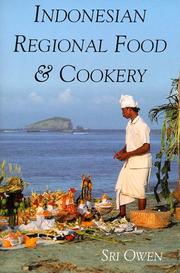
Sri Owen's most scholarly work, mapping the culinary differences island by island with historical and anthropological context — the essential capstone for anyone seeking genuine depth across the archipelago.
Discussion
Keep reading
Paths that share books, cover the same subject, or open a related topic.