Best Colombian Cookbooks to Learn the Cuisine
This curriculum takes you from the foundational flavors and techniques of Colombian cooking all the way through its rich regional traditions — from the Andean highlands to the Caribbean and Pacific coasts. Each stage builds on the last: you'll first develop a feel for the pantry and everyday dishes, then master the iconic recipes like arepas, sancocho, and bandeja paisa, and finally explore the coastal seafood traditions and the deep regional diversity that makes Colombian cuisine one of Latin America's most varied.
Foundations: The Colombian Pantry & Everyday Table
BeginnerUnderstand the essential ingredients, flavor profiles, and cooking logic of Colombian cuisine — sofrito bases, staple starches, and the role of corn, potato, and tropical fruits — before tackling iconic dishes.
▸ Study plan for this stage
Pace: 4–5 weeks, ~25–30 pages/day (approximately 150–170 pages total across both books for this foundational stage)
- The sofrito base: how to build and balance the holy trinity of onion, garlic, and tomato as the flavor foundation of Colombian cooking
- Staple starches and their cultural significance: plantains, yuca, potatoes, and corn as the backbone of everyday Colombian meals
- Corn in Colombian cuisine: from fresh corn to masa and arepas, and its role in both humble and festive dishes
- Tropical fruits and their culinary applications: guava, passion fruit, coconut, and plantain in both savory and sweet contexts
- The logic of Colombian flavor profiles: how sofrito, cilantro, cumin, and citrus create the characteristic taste of the cuisine
- Essential pantry ingredients and their sourcing: what to keep on hand and why, including dried chiles, spices, and preserved items
- The everyday Colombian table: understanding portion structures, meal timing, and how dishes fit into daily eating patterns
- Regional variations within Colombia: how geography and local ingredients shape different regional cooking styles
- What is sofrito, what are its core components, and why is it considered the foundation of Colombian cooking?
- Name and describe the primary staple starches in Colombian cuisine and explain why each is culturally and nutritionally important
- How is corn used across different forms in Colombian cooking (fresh, dried, masa, arepas), and what dishes showcase each form?
- What role do tropical fruits play in Colombian cuisine, and can you give examples of how they appear in both savory and sweet dishes?
- What are the essential pantry ingredients for Colombian cooking, and how do they work together to create authentic flavor?
- How does the Colombian everyday table differ from special occasion or regional dishes, and what does this reveal about the cuisine's values?
- Make sofrito from scratch three times, varying the ratio of onion to garlic to tomato, and taste the differences; document which ratio you prefer and why
- Cook and taste at least four different preparations of plantains (fried green, fried ripe, boiled, mashed) and compare their textures, flavors, and best uses
- Prepare fresh arepas from masa harina, then make a batch from fresh corn if possible; compare the flavor and texture, and fill them with different fillings to understand their versatility
- Source and prepare three different Colombian potato or yuca dishes from the books, noting regional variations and how the starch is treated differently in each
- Create a Colombian pantry inventory: identify, source, and taste 8–10 essential ingredients (cumin, cilantro, specific chiles, coconut milk, etc.) to understand their individual flavor profiles
- Cook one complete everyday Colombian meal (e.g., a simple rice, beans, protein, and plantain plate) and one regional specialty dish, then reflect on how the everyday meal differs in technique and ingredient emphasis
Next up: This foundational stage equips you with the flavor vocabulary, ingredient knowledge, and cooking logic of Colombian cuisine, preparing you to tackle iconic regional dishes and more complex preparations in the next stage with confidence and cultural understanding.

The most widely recognized English-language introduction to Colombian cooking, written by a Colombian food scientist. It systematically covers pantry staples, regional context, and foundational techniques, making it the ideal first book for a beginner.
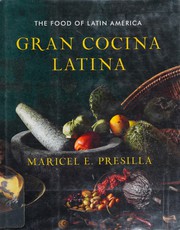
This James Beard Award–winning encyclopedia of Latin American cooking provides the broader cultural and culinary context — corn traditions, tropical ingredients, and cooking methods — that helps a beginner understand where Colombian cuisine sits within the wider Latin world.
The Corn Tradition: Arepas, Tamales & Masa
BeginnerMaster the corn-based backbone of Colombian cooking — understanding the different types of masa, how to make and vary arepas across regions, and how corn shapes Colombian identity from breakfast to street food.
▸ Study plan for this stage
Pace: 4–5 weeks, ~25–30 pages/day, with 2–3 days per week dedicated to hands-on cooking practice
- The history and cultural significance of corn (maíz) in Colombian identity and daily life
- The science and technique of making masa: grinding, hydration, and fermentation methods
- Regional variations of arepas across Colombia and how geography influences preparation
- The distinction between fresh masa, pre-cooked masa harina, and traditional stone-ground approaches
- Tamales as a cultural practice: fillings, wrapping, and their role in Colombian celebrations
- The relationship between corn quality, variety, and final flavor and texture in masa-based dishes
- Street food culture and the economics of corn-based foods in Colombian communities
- How to adapt and innovate with traditional masa techniques while respecting tradition
- What are the main differences between fresh masa and masa harina, and when would a Colombian cook choose one over the other?
- How do regional variations in arepa preparation reflect Colombia's geography and local ingredient availability?
- Explain the cultural and social significance of tamales in Colombian life beyond their role as food.
- What is the relationship between corn variety, grinding method, and the final texture and flavor of masa?
- How has industrialization changed the way Colombians approach masa-making, and what do traditional practitioners preserve?
- Describe the process of making arepas from scratch and identify at least three regional variations you could prepare.
- Make fresh masa from dried corn kernels using traditional nixtamalization or modern methods; document texture, hydration, and flavor notes
- Prepare arepas in at least three regional styles (e.g., arepa blanca from the coast, arepa de huevo from the Caribbean, arepa con queso from the Andes) and compare techniques and results
- Create a tamale filling and wrap tamales using traditional banana or corn husks; cook and evaluate for flavor and texture
- Visit or research a local Latin market to source different corn varieties and masa products; taste-test and compare at least three different types
- Interview or watch videos of Colombian home cooks or street vendors making arepas; document their techniques, tips, and the stories behind their recipes
- Design and execute a tasting menu featuring three corn-based dishes from 'On Masa,' noting how preparation method affects the final dish
- Keep a detailed cooking journal tracking your masa experiments: hydration ratios, cooking times, ingredient sources, and flavor outcomes across multiple attempts
Next up: This stage establishes corn as the foundational ingredient and cultural cornerstone of Colombian cooking, preparing you to explore how other staple ingredients—beans, plantains, and proteins—build upon and complement the masa-based dishes that anchor Colombian meals.
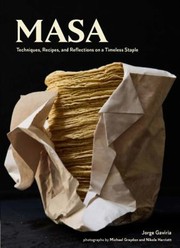
Written by the founder of Masienda, this book dives deep into heirloom corn, nixtamalization, and masa traditions across Latin America, giving the learner a sophisticated understanding of why Colombian corn dishes taste the way they do.
Iconic Dishes: Sancocho, Bandeja Paisa & the Andean Heartland
IntermediateCook and understand Colombia's most celebrated and complex dishes — the slow-cooked stews, the legendary bandeja paisa, and the hearty Andean mountain cooking — with confidence in technique and regional storytelling.
▸ Study plan for this stage
Pace: 6–8 weeks total: Weeks 1–4 on "Colombia: The Cookbook" by Margarita Carrillo Arronte (~25–30 pages/day, focusing on the stew, legume, and Andean chapters); Weeks 5–8 on "My Colombia" by Omar Tate (~20 pages/day, reading more slowly to absorb the narrative and cultural essays alongside the recipes).
- The architecture of sancocho: understanding how the layered addition of root vegetables (yuca, papa, plátano), proteins, and aromatics builds depth over a long, slow simmer — as demonstrated in Arronte's multiple regional sancocho variations.
- Regional identity on a single plate: how Bandeja Paisa functions as an edible manifesto of Antioquian culture, combining frijoles rojos, chicharrón, hogao, chorizo, morcilla, arroz, aguacate, and huevo in one composed service — per Arronte's detailed breakdown.
- The Andean 'holy trinity' of Colombian cooking: the foundational role of papa criolla, maíz, and frijol as caloric and cultural cornerstones of highland cuisine, threaded throughout both books.
- Hogao as a master sauce: mastering this slow-cooked tomato-and-scallion sofrito that underpins dozens of Andean and coastal dishes, and recognizing its variations across Arronte's recipes.
- Slow-cooking as storytelling: Omar Tate's framing in 'My Colombia' of patience and communal labor (the sancocho pot as a gathering ritual) as inseparable from the technique itself.
- Texture contrast as intentional design: the deliberate interplay of crispy chicharrón, creamy frijoles, soft rice, and rich egg yolk in Bandeja Paisa — and how Arronte's plating notes encode cultural meaning.
- Altitude and ingredient behavior: how the Colombian Andes (2,500 m+) affects boiling points, cooking times, and starch gelatinization, and why Arronte's recipes sometimes differ from lowland Colombian or Mexican equivalents.
- Personal and collective memory in recipe writing: how Tate's narrative voice in 'My Colombia' transforms technical recipes into acts of cultural reclamation and diaspora identity.
- After cooking Arronte's sancocho de gallina and at least one other sancocho variant, can you articulate what distinguishes them — in protein, vegetable sequence, and regional origin — and explain why those differences matter culturally?
- Can you describe, step by step, how to build a proper Bandeja Paisa from Arronte's recipes, including the correct order of preparation to ensure every component is hot and at peak texture when plated?
- How does Omar Tate use the sancocho in 'My Colombia' as a metaphor, and how does his narrative reframe the dish beyond a technical recipe into something with social and diasporic significance?
- What role does hogao play across the dishes in this stage, and how does mastering it change your efficiency and confidence when cooking multiple Andean recipes in sequence?
- How do the two books in this stage complement each other — where does Arronte's encyclopedic technique end and Tate's cultural storytelling begin, and what does reading them together reveal that neither book achieves alone?
- What specific challenges does high-altitude Andean cooking present, and how are those challenges reflected (explicitly or implicitly) in the techniques Arronte prescribes for stews and legume dishes?
- Cook at least two sancocho variants from Arronte side by side on the same day (e.g., sancocho de gallina and sancocho trifásico) — taste them together and write a one-page comparison of flavor, texture, and the cultural story each tells.
- Execute a full Bandeja Paisa from Arronte's components over a single weekend: make the frijoles from scratch on Saturday, then prepare all remaining components (chicharrón, hogao, chorizo, morcilla, arroz blanco, patacones) and plate the full bandeja on Sunday — timing everything to land simultaneously.
- Make hogao three times in one week, each time adjusting the tomato-to-scallion ratio and cooking time; document the flavor and texture differences and identify which version best matches the dishes you're pairing it with.
- After reading the relevant chapter in 'My Colombia,' write a 200-word 'recipe headnote' in Tate's narrative style for one of the Arronte dishes you've already cooked — connecting the technique to a personal or communal memory.
- Build a visual 'flavor map' of the Andean Heartland: draw or diagram the key dishes from both books, connecting them by shared ingredients (papa criolla, hogao, maíz, frijol), and annotate each connection with a note on how the ingredient transforms between dishes.
- Host a sancocho gathering: cook a large-batch sancocho from Arronte's recipe for at least four people, practice the communal serving ritual described in Tate's framing, and debrief with guests about what the experience of eating from a shared pot communicates beyond the food itself.
Next up: Mastering the slow-cooking logic, foundational sauces, and regional identity of the Andean heartland in this stage equips the reader with the technical and cultural vocabulary needed to contrast interior mountain cooking with Colombia's dramatically different coastal and Afro-Colombian traditions in the next stage.
A comprehensive, region-by-region Colombian cookbook that covers sancocho, bandeja paisa, and the full spectrum of Andean dishes with authoritative recipes and cultural notes — the right book once you have foundational skills.
The Coasts: Caribbean & Pacific Seafood Traditions
IntermediateExplore the distinct Afro-Colombian and Indigenous coastal cuisines — coconut-braised fish, ceviche, cazuela de mariscos, and Pacific preparations — understanding how geography and culture create flavors entirely different from the Andean interior.
▸ Study plan for this stage
Pace: 4–5 weeks, ~25–30 pages/day, with 2–3 cooking sessions per week
- Coconut as a foundational ingredient in Caribbean and Southeast Asian coastal cuisines, and its role in Colombian Pacific cooking
- Sambal traditions and how fermented, spiced pastes connect to Afro-Colombian and Indigenous flavor profiles
- The geography-to-flavor connection: how coastal access shapes ingredient availability and cooking methods (braising, slow-cooking, seafood-forward)
- Afro-Caribbean culinary techniques and their influence on Colombian coastal dishes like coconut-braised fish and cazuela de mariscos
- Preservation and fermentation methods used in tropical coastal regions to extend ingredient life and build complex flavors
- The distinction between Caribbean (coconut milk, plantain, seafood stews) and Pacific (indigenous preparations, lighter broths, regional fish varieties) traditions
- How colonial trade routes and diaspora communities shaped the spice and ingredient profiles of Colombian coasts
- How does Lara Lee use coconut and sambal as a lens to understand broader coastal cooking traditions, and what specific Colombian dishes exemplify these principles?
- What are the key differences between Caribbean and Pacific coastal cooking methods and ingredients, and how do geography and cultural heritage explain these differences?
- How do fermentation and preservation techniques in 'Coconut and Sambal' connect to the slow-cooked, deeply flavored dishes of Colombian coasts like coconut-braised fish?
- What role do Afro-Caribbean and Indigenous culinary traditions play in shaping the flavor profiles and cooking techniques of Colombian seafood dishes?
- How can you adapt sambal and coconut-based techniques from the book to create authentic Colombian coastal dishes like ceviche, cazuela de mariscos, or Pacific fish preparations?
- What ingredients and flavor combinations from 'Coconut and Sambal' are essential to understanding why Colombian coastal cuisine tastes distinctly different from Andean interior cooking?
- Make a sambal from scratch (using the recipes/techniques in 'Coconut and Sambal') and taste how fermentation and heat build complexity; then use it to season a simple grilled fish to understand how this condiment bridges Southeast Asian and Colombian coastal traditions
- Prepare a coconut-braised fish dish using principles from the book—render coconut milk, build aromatics, braise slowly—and document how the technique differs from quick-cooking methods and why it suits coastal seafood
- Create a comparative tasting: prepare two versions of a seafood dish (one using coconut milk as in Caribbean traditions, one using a lighter broth as in Pacific traditions) and analyze how the cooking medium changes flavor and texture
- Research and cook one recipe from 'Coconut and Sambal' that uses fermented or preserved ingredients, then identify which Colombian coastal dish it most closely parallels and explain the connection
- Interview or research an Afro-Colombian or Indigenous coastal cook (or read interviews in the book if available) to understand how they use coconut, sambal-like pastes, and seafood; document the techniques and flavor logic
- Build a pantry of essential coastal ingredients (coconut milk, fermented chilies, dried seafood, regional spices) and practice making a quick cazuela de mariscos and a ceviche, noting how each dish's flavor profile reflects the book's teachings on coconut and sambal
Next up: By mastering coconut, sambal, and fermented-flavor foundations in coastal cooking, you'll be equipped to explore how these techniques scale and transform across Colombia's Pacific and Caribbean regions, and how they contrast with the Andean interior's reliance on different staples and cooking methods.

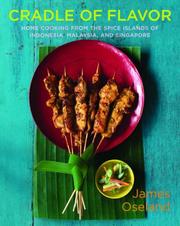
While focused on Indonesia, this book is included here as a bridge for understanding coconut-based coastal cooking techniques and flavor logic that directly parallel Colombia's Caribbean coast traditions — a useful technical companion before diving into primary sources.
James Beard Award–winning chef Jose Garces dedicates significant coverage to Colombian coastal cooking, including Caribbean seafood and Pacific Afro-Colombian preparations, making it an excellent focused resource at this stage.
Regional Mastery & Deep Dives
ExpertSynthesize everything learned by exploring Colombia's full regional mosaic — the Llanos, the Amazon, the coffee region, and the cities — and understand how history, migration, and Indigenous heritage have shaped a cuisine of extraordinary diversity.
▸ Study plan for this stage
Pace: 8–10 weeks, ~40–50 pages/day, with 1–2 weeks dedicated to each regional deep dive and 2 weeks for synthesis and comparative analysis
- Regional ingredient terroir: how geography, climate, and soil shape the distinct flavor profiles and staple ingredients of Colombia's Llanos, Amazon, coffee region, and urban centers
- Historical and migratory layers: understanding how Indigenous, African, Spanish, and immigrant communities have layered techniques, ingredients, and traditions into regional cuisines
- The Llanos culinary identity: grilled meats, corn-based dishes, and cattle culture as expressions of geography and colonial settlement patterns
- Amazonian foodways: Indigenous preservation techniques, tropical fruits, river fish, and sustainable foraging practices that predate colonization
- Coffee region (Eje Cafetero) cuisine: how coffee cultivation shaped settlement, labor, and the development of comforting, efficient regional dishes
- Urban Colombian cooking: how cities like Bogotá, Medellín, and Cartagena synthesize regional traditions and reflect modern migration and cultural exchange
- Culinary archaeology through observation: using close reading and sensory analysis to decode how historical forces are embedded in recipes and cooking methods
- Synthesis and coherence: recognizing Colombian cuisine as a unified whole while honoring its radical internal diversity
- How do the geographic and climatic conditions of the Llanos, Amazon, coffee region, and major cities explain the specific ingredients and cooking methods that dominate each region?
- What role did Indigenous, African, and Spanish colonial populations play in shaping the distinct culinary traditions of different Colombian regions, and how do these legacies remain visible in contemporary dishes?
- How does 'Colombiana' use narrative, memoir, or descriptive writing to reveal the relationship between history, migration, and regional food identity?
- What preservation, cooking, and ingredient-sourcing techniques described in either text reflect pre-Columbian Indigenous practices, and how have these persisted or evolved?
- How do the urban food traditions described in 'Colombiana' synthesize or reinterpret the regional cuisines of the Llanos, Amazon, and coffee region?
- What connections can you draw between the culinary observations in 'Colombiana' and the technical, observational approach modeled in 'Notas de Cocina de Leonardo Da Vinci'?
- Create a regional ingredient map: for each major region (Llanos, Amazon, coffee region, and one major city), list 8–12 signature ingredients, note their origins (Indigenous, imported, or hybrid), and explain how climate and history determined their prominence
- Prepare and cook one signature dish from each region covered in 'Colombiana', documenting the ingredients, techniques, and any historical or cultural notes from the text; photograph and annotate each dish with its regional and historical context
- Write a 2–3 page comparative analysis of how 'Colombiana' and 'Notas de Cocina' each approach the relationship between observation, history, and cooking—what does each text reveal about how to read food as a historical and cultural artifact?
- Conduct a 'culinary genealogy' exercise: choose one Colombian dish mentioned in 'Colombiana', trace its likely Indigenous, African, and Spanish influences using textual evidence, and hypothesize how migration and settlement patterns shaped its current form
- Create a visual timeline or annotated map showing how major historical events (colonization, coffee boom, internal migration, urbanization) correlate with the emergence of distinct regional cuisines as described in 'Colombiana'
- Host a regional tasting menu: prepare 4–5 dishes representing different Colombian regions, and write tasting notes that connect flavor, technique, and history—practice articulating how food embodies regional identity
Next up: By mastering Colombia's regional mosaic and learning to read food as a historical and cultural text, you are now prepared to apply these same analytical and practical skills to another cuisine's regional diversity, or to deepen your understanding of how specific Colombian dishes travel, adapt, and evolve across diaspora communities and global contexts.

A beautifully researched and visually rich cookbook by a Colombian food stylist that weaves together all of Colombia's regions, ingredients, and traditions into a cohesive narrative — the ideal capstone that rewards all the knowledge built in prior stages.

A culturally curious and historically grounded look at food traditions and their documentation — useful at the advanced stage for thinking critically about how culinary traditions are recorded, preserved, and interpreted across cultures like Colombia's.
Discussion
Keep reading
Paths that share books, cover the same subject, or open a related topic.