Best Malaysian Cookbooks to Learn the Cuisine
Malaysian cuisine is one of the world's great fusion traditions, woven from Malay, Chinese, and Indian threads and held together by the rempah — the pounded spice paste that is the soul of the kitchen. This curriculum moves from broad cultural orientation and essential technique, through the iconic dishes (nasi lemak, laksa, satay, rendang), and finally into the specialist depths of each ethnic strand and regional variation, so each stage builds the flavour vocabulary and knife-and-mortar confidence needed for the next.
Foundations: Orientation & Essential Technique
BeginnerUnderstand what Malaysian cuisine is, where it comes from, and master the foundational techniques — especially the rempah spice paste — before tackling iconic dishes.
▸ Study plan for this stage
Pace: 4–5 weeks, ~25–30 pages/day, alternating between reading and hands-on practice sessions
- Malaysian cuisine as a fusion of Malay, Chinese, and Indian culinary traditions shaped by geography and trade history
- The rempah spice paste: composition, grinding techniques, and role as the flavor foundation for most Malaysian dishes
- Essential aromatics and their functions: shallots, garlic, ginger, galangal, chilies, and lemongrass in building flavor layers
- Core cooking methods unique to Malaysian kitchens: stir-frying with rempah, slow-simmering curries, and paste-based cooking
- Regional variations across Peninsular Malaysia, Sabah, and Sarawak and how geography influences local ingredients and dishes
- The balance of heat, sourness, and richness as the flavor trinity in Malaysian cooking
- Ingredient sourcing and substitutions for authentic results when traditional items are unavailable
- What are the three main cultural influences on Malaysian cuisine, and how does each contribute distinct flavors and techniques?
- What is rempah, what are its core ingredients, and why is mastering its preparation essential to Malaysian cooking?
- How do the aromatics (shallots, garlic, ginger, galangal, chilies, lemongrass) function differently in Malaysian dishes, and when is each most important?
- What are the key regional differences in Malaysian cuisine across Peninsular Malaysia, Sabah, and Sarawak, and what local ingredients define each region?
- Describe the three-part flavor balance (heat, sourness, richness) and give examples of how dishes achieve this equilibrium
- What are the primary cooking techniques in Malaysian kitchens, and how does rempah feature in each one?
- Make a basic rempah paste from scratch using a mortar and pestle (or blender), grinding shallots, garlic, ginger, and chilies to a smooth paste; taste and adjust seasoning
- Prepare 2–3 variations of rempah (e.g., one with turmeric for curry, one with lemongrass for sambals) and compare their flavor profiles and textures
- Cook a simple stir-fried dish (e.g., sambal goreng or basic curry) using your homemade rempah to understand how it transforms during cooking
- Create a tasting map: sample 3–4 regional Malaysian dishes (from different regions if possible) and identify the flavor trinity (heat, sourness, richness) in each
- Source and taste 5–6 essential aromatics individually (fresh ginger, galangal, lemongrass, fresh chilies, shallots, garlic) to develop flavor recognition and understand their distinct roles
- Prepare a simple Malaysian curry or sambal dish twice: once with traditional ingredients and once with accessible substitutes, and document the differences in flavor and texture
Next up: This foundation in Malaysian flavor principles, rempah technique, and regional awareness equips you to tackle iconic dishes in the next stage with confidence, understanding not just *how* to cook them but *why* they taste the way they do.

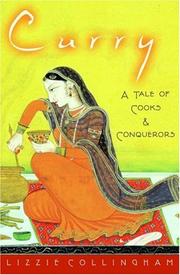
A beautifully photographed, accessible introduction to all three culinary traditions (Malay, Chinese, Indian) with clear recipes and cultural context — the ideal first map of the cuisine.
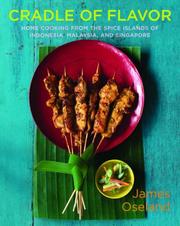
Focuses on the Malay and Indonesian archipelago and teaches the logic of rempah construction from the ground up, giving beginners a deep intuitive feel for how spice pastes are built and layered.
The Iconic Dishes: Nasi Lemak, Laksa & Satay
BeginnerCook Malaysia's most celebrated dishes with confidence, understanding the regional variations of laksa, the ritual of nasi lemak, and the art of the satay grill.
▸ Study plan for this stage
Pace: 2–3 weeks, ~20–25 pages/day, with 2–3 cooking sessions interspersed
- The cultural and historical significance of nasi lemak as Malaysia's national dish and its role in daily life across regions
- Regional laksa variations (Penang, Sarawak, Johor) and how geography, ingredients, and trade routes shaped each style
- The technique and ritual of satay preparation: marinating, grilling, and the balance of spice and char
- The foundational aromatics and spice pastes (rempah) that anchor all three dishes and how to build them from scratch
- How coconut milk, tamarind, and chili function as flavor pillars in Malaysian cooking and their interplay in these dishes
- The role of condiments and accompaniments (sambal, peanut sauce, pickles) in completing the eating experience
- How to source and substitute authentic Malaysian ingredients in a Western kitchen
- What makes nasi lemak Malaysia's national dish, and how do regional variations (e.g., Kelantan vs. Kuala Lumpur versions) differ in preparation and presentation?
- Describe the three main regional styles of laksa found in Malaysia. What are the key flavor differences, and which ingredients define each?
- What is the purpose of the rempah (spice paste) in satay, and what are the core ingredients? How does the grilling technique affect the final flavor?
- How do you make a proper coconut milk base for nasi lemak or laksa, and why is the quality of coconut milk critical?
- What role do condiments like sambal and peanut sauce play in these dishes, and how do you balance their heat and depth?
- If you cannot find authentic Malaysian ingredients, what are practical substitutions you can make without compromising the dish's integrity?
- Cook nasi lemak from Ping Coombes' recipe, paying attention to the rice-cooking technique and the balance of the coconut milk. Taste and adjust the seasoning, noting how salt and pandan (if used) affect the final dish.
- Prepare a laksa from the book—choose one regional style—and document how the broth develops flavor through layering aromatics, spices, and coconut milk. Compare your result to the book's description.
- Make satay skewers following Coombes' guidance: prepare the rempah paste, marinate the meat, and grill to char. Evaluate the texture, spice level, and the char-to-tenderness balance.
- Prepare a complete nasi lemak meal with all accompaniments (sambal, cucumber, fried anchovies, hard-boiled egg). Taste each component separately, then as a whole, to understand how they interact.
- Create a spice paste (rempah) from scratch using a mortar and pestle or food processor, following Coombes' method. Compare the texture and flavor to a store-bought version, if available.
- Cook a second laksa variation from the book (different region) and conduct a side-by-side tasting with your first attempt. Document the flavor profile differences and which you prefer and why.
Next up: This stage grounds you in Malaysia's holy trinity of dishes and the core techniques (spice-paste building, coconut milk work, grilling) that will transfer to exploring other regional Malaysian specialties, street food, and more complex multi-component meals in the next stage.

Written by a MasterChef winner raised in Ipoh, this home-cook-friendly book walks through nasi lemak, satay, and everyday curries with warm storytelling that cements cultural context alongside technique.
Advanced Mastery: Regional Depth & the Indian Thread
ExpertAchieve a specialist understanding of Malaysian Indian cooking (mamak, banana-leaf, Chetty Melaka), master complex regional dishes from Kelantan to Sarawak, and develop the ability to improvise rempah from first principles.
▸ Study plan for this stage
Pace: 8–10 weeks, ~40–50 pages/day, with 2–3 cooking sessions per week
- The Indian diaspora's influence on Malaysian cuisine: mamak culture, banana-leaf dining, and Chetty Melaka's unique fusion of Tamil, Arab, and Malay traditions
- Rempah composition and improvisation: understanding the function of each spice in curry pastes, how to balance heat, earthiness, and aromatics, and adapting recipes when ingredients are unavailable
- Regional Malaysian Indian cooking techniques: tempering spices in oil, slow-cooking curries to develop depth, and the role of coconut milk in creating body and richness
- Complex flavor layering in mamak classics: the interplay of tamarind, chili, turmeric, and fenugreek in dishes like fish curry, chicken rendang, and dhal preparations
- Sarawak and Kelantan's distinct regional profiles: how geography and cultural mixing shape ingredient choices and cooking methods in East Malaysian Indian communities
- Improvisation from first principles: reading a rempah's intended flavor profile and reconstructing it with available spices, understanding substitutions and their trade-offs
- How do the three main traditions of Malaysian Indian cooking (mamak, banana-leaf, Chetty Melaka) differ in their historical origins, ingredient priorities, and typical dining contexts?
- What is the function of each core spice in a Malaysian Indian curry rempah (turmeric, chili, coriander, cumin, fenugreek, etc.), and how would you adjust a rempah if one ingredient were unavailable?
- Describe the technique of tempering spices in hot oil and explain why this step is crucial to Malaysian Indian curries rather than simply mixing spices into the sauce.
- Compare the use of coconut milk in a Kelantan fish curry versus a Sarawak chicken preparation—what regional differences emerge, and why?
- Given a mamak curry recipe, how would you identify the intended flavor profile (acidic, earthy, aromatic, fiery) and recreate it if you lacked one or two key ingredients?
- What role does tamarind play in Malaysian Indian cooking, and how do acidic elements (tamarind, lime, vinegar) interact with spice heat and coconut richness?
- Cook three mamak classics from Solomon's recipes (e.g., fish curry, chicken curry, dhal) in sequence, documenting how the rempah develops flavor as it cooks and noting the texture and color changes.
- Prepare a banana-leaf meal following Solomon's guidance: assemble a complete spread with curry, rice, sambals, and pickles; observe how the components interact on the leaf and how eating traditions shape portion sizes.
- Deconstruct a Chetty Melaka recipe from Solomon: identify the Arab, Tamil, and Malay influences in the ingredients and technique, then research one historical variant to understand how the dish evolved.
- Make a rempah from scratch using whole spices (coriander seeds, cumin, chili, turmeric root if available), grind them, and compare the flavor intensity and aroma to a recipe using ground spices; note the difference in final dish depth.
- Improvise a rempah: choose a mamak curry recipe, remove one key ingredient from your pantry, and recreate the rempah using available spices while maintaining the intended flavor profile; cook the dish and evaluate your substitutions.
- Prepare one Kelantan and one Sarawak regional dish from Solomon's collection, tasting them side-by-side and documenting the differences in spice balance, coconut use, and cooking time; identify how geography shaped each recipe.
Next up: This stage equips you with deep knowledge of Malaysian Indian cooking's regional variations and the ability to improvise rempah from first principles, preparing you to synthesize this specialist knowledge with other Malaysian traditions (Malay, Chinese, Peranakan) in a final integrative stage where you'll understand how these cuisines coexist and influence one another in modern Malaysian food cult
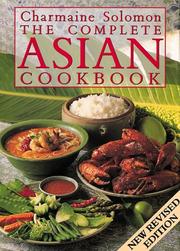
A canonical, encyclopaedic work that places Malaysian cooking within its broader South and Southeast Asian spice context, allowing advanced cooks to cross-reference Indian, Sri Lankan, and Indonesian techniques that feed directly into Malaysian cuisine.
Discussion
Keep reading
Paths that share books, cover the same subject, or open a related topic.