Indonesia is seventeen thousand islands and several hundred ethnic groups, and treating its food as a single cuisine is the first mistake. A Padang rendang and a Javanese gudeg and a Balinese lawar share a pantry and almost nothing else in method or intent. The second mistake is chasing recipes before technique, because nearly everything rests on two foundations: the ground spice paste — bumbu — fried until the oil separates and the raw edge is gone, and the chili relish that finishes the plate.
Get those right and recipes become readable. Get them wrong and even a well-followed dish tastes flat and slightly raw. This order builds the foundations, then goes deep on the major regional traditions, then widens out.
A gentle entry
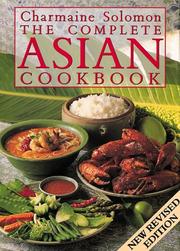
Start with The complete Asian cookbook by Charmaine Solomon. It is not an Indonesian book — it spans the continent — but its Indonesian and Malaysian chapters are reliable, and the broader context helps you see which techniques Indonesia shares with its neighbors and which are its own. It is also the most forgiving book here for a cook who has never made a spice paste.
The core text
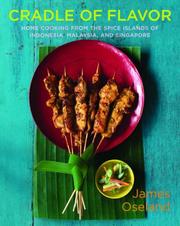
Cradle of Flavor by James Oseland is the book to spend real time in. Oseland spent years in Indonesia, Malaysia, and Singapore, and the recipes are precise about the things that matter and that other books gloss: how long to fry the paste, what the shallots should look like when they are done, how to handle coconut milk without splitting it. His rendang instructions in particular explain the long reduction rather than just specifying a time. If you cook only from one book on this list, cook from this one.
Go regional
Sri Owen's Indonesian Food comes next. Owen is the authority who introduced Indonesian cooking to English-language readers, and this volume combines her recipes with real cultural and historical framing. Pair it with Indonesian Regional Food and Cookery, her more systematic regional treatment — Sumatra, Java, Bali, Sulawesi, the Moluccas — which is the clearest single account of how the cuisines actually differ. Between the two, the regional volume is the more useful reference; the other is the better read.
The Indonesian kitchen by Copeland Marks brings an outsider-reporter's eye and reaches dishes the standard books skip, particularly from smaller islands. It is spottier than Owen or Oseland, so treat it as a supplement once your base is solid.
Modern and practical
Coconut and Sambal by Lara Lee is the contemporary home-cooking volume — Indonesian-Australian, warm, well-photographed, and organized around dishes people will actually make on a weeknight, with a generous sambal chapter. It is the book to hand a friend who liked what you cooked.
The food of Indonesia by Heinz von Holzen closes things out as a broad photographic survey from a chef long resident in Bali. Its strength is showing you what dishes are supposed to look like, which matters more than usual in a cuisine where the visual cues for a properly fried paste or a correctly rendered rendang are hard to describe in words.
Sourcing notes
A few ingredients carry the flavor and have no good substitute: candlenut, galangal as distinct from ginger, kaffir lime leaf, palm sugar, tamarind, and terasi shrimp paste, which should be toasted before use. Fresh turmeric and lemongrass are worth the trip. A stone mortar makes a visibly better paste than a blender, though a blender with a little oil will get you most of the way. Adjacent cuisine paths sit at Ethiopian cooking.
Cook them in this order and the archipelago stops being a blur. Follow the full path to keep the sequence.
Follow the full ordered path here: Best Indonesian Cookbooks, in the Order to Cook Them.