Forensic Accounting and Fraud Examination: The Best Books, In Order
This curriculum builds forensic accounting mastery across four tightly sequenced stages, starting from the professional frameworks of fraud examination, advancing through detection and investigation techniques, then diving into evidence and litigation support, and finally tackling sophisticated financial crime and real-world case analysis. Because the learner starts at an intermediate level, foundational theory is covered efficiently before moving into practitioner-level depth.
Fraud Examination Foundations
IntermediateEstablish a rigorous, professional framework for understanding how fraud is defined, classified, and examined — building the vocabulary and mental models needed for everything that follows.
▸ Study plan for this stage
Pace: 8–10 weeks, ~40–50 pages/day (with 2–3 review days per week)
- The fraud triangle (pressure, opportunity, rationalization) and its role as the foundational explanatory model for why fraud occurs
- Fraud classification schemes: occupational fraud, management fraud, investment fraud, and their distinct characteristics and detection methods
- The distinction between fraud examination and forensic accounting, and the professional standards and ethical obligations that govern fraud examiners
- Red flags and behavioral indicators that signal fraud risk across financial statements, transactions, and organizational processes
- The fraud examination process: planning, fieldwork, evidence gathering, documentation, and reporting standards
- Internal controls as both a fraud prevention mechanism and a source of evidence when controls are bypassed or overridden
- The role of professional skepticism and critical thinking in fraud detection versus the dangers of confirmation bias
- Legal and regulatory frameworks (SOX, COSO, FCPA) that shape fraud examination scope and professional responsibilities
- What are the three elements of the fraud triangle, and how do they interact to create fraud risk?
- How do occupational fraud and management fraud differ in terms of perpetrator motivation, methods, and detection challenges?
- What are the key red flags in financial statements, accounting records, and employee behavior that should trigger deeper investigation?
- What is the fraud examination process, and how does it differ from a standard financial audit?
- How do internal controls both prevent fraud and serve as evidence when they are circumvented?
- What ethical and legal obligations do fraud examiners have, and what are the consequences of violating professional standards?
- Map the fraud triangle to 3–4 real-world fraud cases (e.g., Enron, Bernie Madoff, or internal case studies from your organization); identify the pressure, opportunity, and rationalization in each
- Create a fraud risk assessment checklist for a hypothetical small business or department, categorizing risks by fraud type (occupational, management, asset misappropriation) and identifying corresponding red flags
- Analyze a set of financial statements or transaction records (provided or from a case study) and document 5–10 anomalies that warrant investigation; explain which red flags each represents
- Design a fraud examination plan for a specific scenario (e.g., suspected cash theft, revenue manipulation, or expense fraud), including objectives, fieldwork steps, evidence types, and documentation requirements
- Review an internal control framework (COSO or similar) and identify 3–5 control gaps that could enable fraud; propose compensating controls
- Write a brief fraud examination report (2–3 pages) summarizing findings, evidence, and conclusions from a case study, following professional reporting standards
Next up: This stage equips you with the professional vocabulary, conceptual models, and procedural frameworks necessary to move into specialized fraud examination techniques—such as financial statement analysis, digital forensics, and interview methods—that you will apply in the next stage.

The definitive academic and professional textbook on fraud examination; covers the fraud triangle, occupational fraud, and the full examination cycle — the essential starting vocabulary for this curriculum.
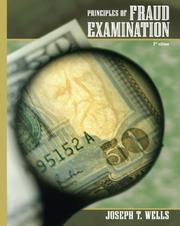
Written by the founder of the ACFE, this book translates the CFE Body of Knowledge into clear practitioner principles, reinforcing Albrecht's framework with real case illustrations and ACFE methodology.
Detection & Red Flags
IntermediateDevelop sharp detection skills — learning to spot financial statement manipulation, asset misappropriation schemes, and the behavioral and data-driven red flags that precede discovery.
▸ Study plan for this stage
Pace: 8–10 weeks, ~40–50 pages/day (approximately 2–3 weeks per book with time for review and exercises)
- The 7 Financial Shenanigans framework: revenue manipulation, expense misstatement, asset/liability distortion, cash flow disguises, and accounting standard exploitation
- Red flag categories: aggressive accounting policies, unusual transactions, inconsistencies between narrative and numbers, and behavioral warning signs of management
- Asset misappropriation schemes: cash theft, inventory manipulation, fictitious expenses, and unauthorized personal use of company assets
- Analytical detection techniques: ratio analysis, trend analysis, cash flow reconciliation, and comparative benchmarking against industry peers
- The fraud triangle: opportunity, pressure, and rationalization—and how to identify these elements in financial statements and business operations
- Common manipulation tactics: channel stuffing, bill-and-hold schemes, round-tripping, and related-party transactions designed to obscure true performance
- Behavioral and organizational red flags: management turnover, aggressive tone, weak internal controls, and incentive structures that reward short-term results
- Documentation and evidence gathering: how to build a forensic case using financial statements, internal communications, and transaction records
- What are the 7 Financial Shenanigans, and can you identify at least two real-world examples of each from the cases discussed in Schilit's book?
- How would you distinguish between aggressive accounting (which is legal) and outright fraud? What red flags help you make that distinction?
- Walk through a hypothetical company's financial statements and identify 3–5 red flags that might indicate revenue manipulation or asset misappropriation.
- What is the fraud triangle, and how does understanding it help you detect schemes that might not be obvious from financial statements alone?
- Describe the key differences between detection approaches for asset misappropriation versus financial statement fraud, and when you would use each.
- Given a set of financial ratios, trend data, and management commentary, how would you construct an analytical narrative to support or refute suspicions of manipulation?
- Case study analysis: Work through 3–4 detailed fraud cases from 'Financial Shenanigans' (e.g., Sunbeam, Waste Management, Enron). For each, document the red flags in chronological order and explain which shenanigan was used.
- Red flag spotting drill: Obtain 2–3 real annual reports (10-K filings) from companies with no known fraud. Analyze them using the red flag checklist from both books and write a brief assessment of risk level with justification.
- Ratio analysis project: Calculate and trend key financial ratios (gross margin, receivables turnover, inventory turnover, operating cash flow to net income) for a company over 3–5 years. Identify anomalies and hypothesize what might explain them.
- Fraud triangle mapping: Select one asset misappropriation case from Silverstone's book. Map the opportunity, pressure, and rationalization elements. Explain how each element was present and how it could have been detected earlier.
- Comparative benchmarking exercise: Compare a company's key metrics (revenue growth, margin trends, cash conversion) against 2–3 industry peers. Identify outliers and develop hypotheses about whether they reflect legitimate competitive advantage or potential manipulation.
- Mock forensic memo: Write a 2–3 page memo to management outlining suspicious transactions or patterns you've identified in a provided dataset, including your analytical approach, findings, and recommended next steps for investigation.
Next up: This stage equips you with the detection toolkit and pattern recognition skills needed to move into the next phase—investigation methodology and evidence collection—where you'll learn how to formally document findings, interview subjects, and build a defensible forensic case.
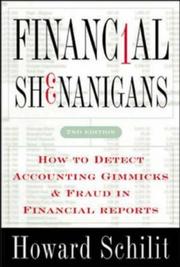
The canonical guide to detecting earnings manipulation and accounting tricks; teaches the reader to read financial statements adversarially, a critical skill before moving to formal investigation.
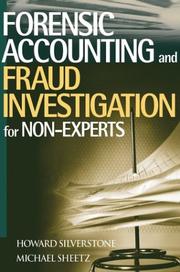
Bridges detection theory and investigative practice, covering red flags across asset misappropriation, corruption, and financial statement fraud in a structured, case-driven format.
Investigation, Evidence & Litigation
IntermediateMaster the investigative process end-to-end — interviewing, evidence gathering, document examination, and preparing findings that withstand legal scrutiny in court or regulatory proceedings.
▸ Study plan for this stage
Pace: 8–10 weeks, ~40–50 pages/day. Allocate 4–5 weeks to Yeschke's interviewing fundamentals (allowing time for interview practice), then 4–5 weeks to Weil's litigation handbook with case study integration.
- Interview planning and preparation: establishing rapport, setting objectives, and designing question sequences to elicit truthful, detailed responses from witnesses, suspects, and subjects
- Cognitive and behavioral interviewing techniques: recognizing deception indicators, managing emotional responses, and adapting questioning strategies based on interviewee reactions
- Evidence documentation and chain of custody: proper collection, labeling, storage, and preservation protocols to ensure admissibility in legal proceedings
- Document examination and analysis: identifying forgeries, alterations, inconsistencies, and patterns in financial records that support or refute investigative hypotheses
- Expert witness preparation and testimony: structuring findings, creating defensible work papers, and communicating complex forensic conclusions clearly under cross-examination
- Litigation strategy and discovery: understanding the role of forensic accountants in civil and criminal proceedings, managing privilege, and aligning investigative findings with legal theories of the case
- Report writing for legal proceedings: crafting findings that are objective, well-supported by evidence, and formatted to withstand judicial scrutiny and opposing counsel challenge
- What are the key planning steps before conducting an investigative interview, and how do they differ when interviewing a witness versus a suspect?
- How do you recognize verbal and non-verbal indicators of deception, and what follow-up techniques should you use when you suspect an interviewee is being evasive?
- What constitutes proper chain of custody for financial documents and digital evidence, and what happens if this chain is broken?
- How do you identify and document document alterations, inconsistencies, or signs of forgery in a way that will be admissible as evidence?
- What are the critical differences between preparing a forensic accounting report for litigation versus internal investigation, and how does this affect your methodology?
- How do you prepare to testify as an expert witness, and what strategies help you withstand aggressive cross-examination while maintaining credibility?
- Conduct a mock investigative interview with a peer playing a witness or suspect; record it, then review for rapport-building, question clarity, and response to evasion or inconsistency.
- Analyze a case study from Yeschke involving a failed interview; identify what went wrong and rewrite the interview plan and question sequence to improve outcomes.
- Create a chain-of-custody log for a set of financial documents (real or simulated); trace the document from discovery through storage, analysis, and courtroom presentation, noting any gaps.
- Examine a set of altered or forged financial documents (provided in case studies or sourced from public cases); document the alterations, explain the forensic techniques used to detect them, and write a brief expert finding.
- Draft a litigation services engagement letter and work plan using Weil's framework; include scope, methodology, deliverables, privilege considerations, and fee structure.
- Prepare a mock expert report on a simulated fraud case (e.g., embezzlement or financial statement manipulation); include findings, methodology, limitations, and a summary suitable for cross-examination.
Next up: This stage equips you with the investigative rigor and litigation-ready documentation skills needed to move into the next stage, where you will apply these techniques to specific fraud schemes (asset misappropriation, financial statement fraud, corruption) and learn how to quantify damages and structure remediation strategies.
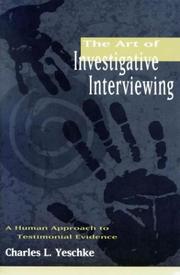
Forensic accountants must elicit confessions and admissions; this book provides the psychological and tactical foundation for investigative interviewing before evidence is formally assembled.
Covers the full forensic engagement lifecycle — evidence standards, working paper documentation, expert witness testimony, and litigation support — directly connecting investigation to legal outcomes.
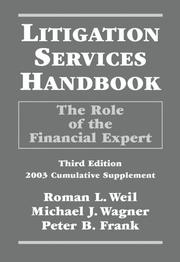
The practitioner's bible for expert witness work and damages calculation; essential reading for understanding how forensic findings are translated into admissible, defensible expert opinions.
Financial Crime & Advanced Case Analysis
ExpertApply forensic accounting skills to sophisticated financial crimes — money laundering, Ponzi schemes, corporate fraud, and regulatory enforcement — using real cases to synthesize everything learned.
▸ Study plan for this stage
Pace: 6–8 weeks, ~40–50 pages/day (alternating between case studies and technical chapters; allow 1–2 days per major case for deep analysis)
- Real-world fraud typologies: money laundering schemes, Ponzi structures, and corporate embezzlement as portrayed in Unaccountable case studies
- Red flags and behavioral patterns in financial crime: how perpetrators conceal illicit activity and what warning signs forensic accountants should detect
- Descriptive analytics for fraud detection: using data aggregation, ratio analysis, and transaction pattern visualization to identify anomalies
- Predictive modeling techniques: logistic regression, decision trees, and ensemble methods to build fraud risk scores and flag high-probability cases
- Social network analysis: mapping relationships between entities, accounts, and individuals to uncover hidden connections and fraud rings
- Regulatory and enforcement context: how forensic findings translate into legal action, compliance reporting, and restitution strategies
- Case synthesis: connecting Unaccountable's real frauds to Baesens' analytical frameworks to understand how data science prevents and detects sophisticated schemes
- What were the key red flags and concealment tactics in the major fraud cases presented in Unaccountable, and how could predictive analytics have detected them earlier?
- How do descriptive analytics techniques (ratio analysis, clustering, anomaly detection) apply to the specific fraud schemes covered in Unaccountable?
- What is social network analysis, and how can it be used to uncover hidden relationships and fraud rings in corporate and financial crime cases?
- Explain the difference between logistic regression, decision trees, and ensemble methods for fraud prediction, and when each is most appropriate
- How do you build and validate a fraud risk scoring model, and what are the key performance metrics (AUC, precision, recall) that matter in practice?
- What are the regulatory and legal implications of forensic accounting findings, and how do you prepare evidence for enforcement action or litigation?
- Read and annotate 2–3 major case studies from Unaccountable; for each, identify the fraud typology, timeline of concealment, and the critical moment when detection became possible
- Create a detailed transaction flow diagram for one Unaccountable case, highlighting suspicious patterns (circular flows, round-dollar amounts, timing anomalies) that descriptive analytics would flag
- Build a simple fraud detection model using provided datasets: apply logistic regression or decision trees to classify transactions as fraudulent or legitimate, and calculate AUC and precision/recall
- Conduct a social network analysis exercise: map the relationships between entities in a sample fraud case (using tools like Gephi or manual visualization), and identify key nodes and hidden clusters
- Develop a fraud risk scorecard for a hypothetical company using ratio-based indicators and predictive signals from Baesens; score sample transactions and explain your methodology
- Write a mock forensic accounting report (5–7 pages) for one Unaccountable case or a synthetic scenario, including findings, evidence, red flags, and recommendations for regulatory reporting
Next up: This stage synthesizes forensic accounting theory with real-world crime patterns and advanced analytics, positioning you to either specialize in a specific fraud domain (e.g., healthcare, investment, trade-based money laundering) or transition to applied roles in compliance, internal audit, or law enforcement where you'll lead investigations and mentor junior analysts.

Provides critical historical and systemic context for how major financial frauds persisted undetected, sharpening the reader's understanding of institutional failure and auditor complicity.

Caps the curriculum with modern data-driven fraud detection methods — analytics, machine learning, and network analysis — equipping the reader for the cutting edge of financial crime investigation.
Discussion
Keep reading
Paths that share books, cover the same subject, or open a related topic.