Futures and commodities are leveraged instruments, which means small moves produce large gains and losses. That makes the cost of not understanding them unusually high. Reading in order matters here more than in most subjects, because the temptation is to jump to strategy before you understand what you're actually trading.
An honest caveat up front: trading futures carries a real and serious risk of loss, and these books build knowledge, not an edge or a guarantee. Treat them as education, not advice, and never risk money you can't afford to lose.
Learn the instruments
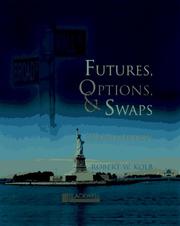
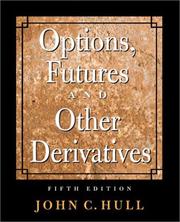
Start with the mechanics. Futures, options, and swaps by Robert Kolb is a clear survey of derivatives, and Options, Futures, and Other Derivatives by John Hull is the standard reference on how these contracts are priced and settled. Read these before any strategy book so you know what a position really exposes you to.
The markets in practice
Next, the practical trading of commodities. Trading Commodities and Financial Future by George Kleinman and A trader's first book on commodities by Carley Garner cover margin, contracts, and the day-to-day realities. Technical analysis of the futures markets by John Murphy is the widely used reference on charting, useful as a shared language even for those skeptical of it.
Systems and the trader's mind
Finally, study systematic approaches and their history honestly. The Complete TurtleTrader by Michael Covel and Trend following by the same author document rules-based trading and its drawdowns, while Commodity Trading Advisors by Greg Gregoriou and The Handbook of Commodity Investing by Frank Fabozzi cover professional and institutional perspectives. Read these for how disciplined traders think about risk, not as a promise of returns.
Even read cover to cover, this path complements, never replaces, formal risk education and, where relevant, licensed advice. If valuation interests you, the related investment banking path pairs well. Follow the full reading path to move through it in order.
Follow the full reading path →
Ready to learn something deeply?
Build a reading path — free