Forensic accounting is accounting turned toward suspicion. It combines technical accounting with the methods of an investigator and the demands of the courtroom, which is why it rewards a deliberate reading order. Learn how fraud works, then how to see it in the numbers, then how to investigate and prove it.
A note on scope: this is a credentialed, often law-adjacent field. These books build knowledge but complement formal training, certifications such as the CFE, and qualified legal counsel rather than replacing them.
Fraud fundamentals
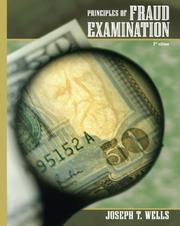
Start with the anatomy of fraud. Fraud examination by W. Steve Albrecht and Principles of Fraud Examination by Joseph Wells lay out how and why fraud happens, including the pressures and rationalizations behind it. This mental model underpins everything that follows.
Reading the numbers
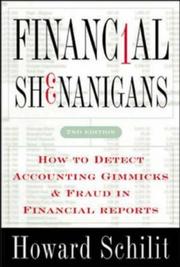
Next, learn to spot manipulation in the statements themselves. Financial Shenanigans by Howard Schilit is the classic on accounting tricks companies use, and Forensic accounting and fraud investigation for non-experts by Howard Silverstone bridges into applied investigation for those without a deep accounting background.
Investigation, testimony, and analytics
Now the working toolkit. The art of investigative interviewing by Charles Yeschke teaches how to gather information from people, a skill textbooks usually ignore. Forensic Accounting by Robert Rufus and Litigation services handbook by Roman Weil cover the expert-witness role and the legal process, while Unaccountable by Mike Brewster and The Anatomy of Fraud and Corruption by Rodney Hobson supply case-driven context. Finally, Fraud Analytics by Bart Baesens brings modern data techniques to detection at scale.
Read in this order, you move from understanding fraud to catching and proving it. If you came from the audit side, the related auditing path is a strong pairing. Follow the full reading path to progress in sequence.
Follow the full reading path →
Ready to learn something deeply?
Build a reading path — free