Investment banking has a steep, specific technical core: valuation, financial modeling, and the mechanics of deals. It also has a culture and a lifestyle that the technical books never mention. A good reading order gives you both, so you're prepared for the work and clear-eyed about the job.
One honest note: books build the analytical foundation, but banking is a credentialed, apprenticeship-driven field. Reading complements internships, networking, and the training a firm provides rather than replacing them.
Valuation, the core skill
Start with valuation, the language of the whole industry. Investment Valuation by Aswath Damodaran is the deep, principled reference, and Valuation: Measuring and Managing the Value of Companies by McKinsey & Company is the practitioner's standard. Learn to value a business before anything else, because every deal rests on it.
Deals: M&A and LBOs
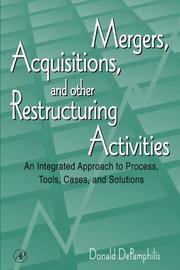
Next, the transactions. Mergers, Acquisitions, and Other Restructuring Activities by Donald DePamphilis and The art of M&A by Stanley Foster Reed cover the strategy and process, while Leveraged Buyouts by Paul Pignataro walks through the LBO in detail. Then build the mechanics: Investment Banking: Valuation, LBOs, M&A, and IPOs by Joshua Rosenbaum is the field's go-to, and Financial modeling by Simon Benninga plus Financial Modeling and Valuation by Paul Pignataro turn theory into working spreadsheets.
The job, honestly
Finally, read what the technicals leave out. Monkey business by John Rolfe and The Accidental Investment Banker by Jonathan Knee are candid memoirs about the hours, the culture, and the incentives. They're not glamour pieces, which is exactly why they belong here before you commit.
Work the path in order and you build real skill while keeping realistic expectations. If you want the analytical rigor underneath, the related financial risk management path goes deeper. Follow the full reading path to take it step by step.
Follow the full reading path →
Ready to learn something deeply?
Build a reading path — free