Fashion Styling: The Best Books, In Order
This curriculum takes a beginner from the absolute fundamentals of fashion styling — understanding the body, color, and garment — through trend literacy and professional editorial work, finishing with the practical skills needed to build a real styling portfolio. Each stage builds directly on the last: you must understand silhouette before you can style it, understand color before you can use it editorially, and understand the industry before you can present yourself within it.
Foundations: The Visual Language of Fashion
BeginnerUnderstand how clothing interacts with the body — silhouette, proportion, and fit — and develop the eye needed to make intentional styling decisions.
▸ Study plan for this stage
Pace: 4–5 weeks, ~25–30 pages/day. Week 1–2: "The Fashion System" (Barthes); Week 3–5: "Color Me Beautiful" (Jackson), with daily styling observation exercises interspersed throughout.
- Fashion as a system of signs and communication: how clothing conveys meaning through cultural codes and conventions (Barthes)
- Denotation vs. connotation in fashion: the difference between what clothing literally is and what it symbolizes in context
- Silhouette and proportion as foundational design elements that interact with the human body
- Color theory and undertone analysis: how skin undertone (warm, cool, neutral) determines which colors harmonize with your natural coloring (Jackson)
- The four seasonal color palettes and how to identify your personal color season
- Fit as the bridge between design intention and individual body: how garment construction must account for human proportions
- Intentional styling as a practice of understanding both systemic fashion codes and personal color/silhouette harmony
- How does Barthes define fashion as a system, and what role do cultural codes play in making an outfit 'readable' to others?
- What is the difference between denotation and connotation in a piece of clothing, and why does this distinction matter for styling decisions?
- How do silhouette and proportion work together to create visual balance on the human body?
- What is your personal color season (Spring, Summer, Autumn, or Winter), and how did you determine it using Jackson's undertone analysis?
- How do the colors in your seasonal palette interact with your skin undertone, and why do some colors make you look vibrant while others appear dull?
- How can understanding fashion as a sign system help you make more intentional choices about fit and proportion for your body type?
- Complete a 'fashion code audit': photograph 5 outfits (yours or from media) and annotate what cultural message each piece sends through Barthes's lens—what does this outfit 'say' and to whom?
- Undertone mapping exercise: using Jackson's methods, determine your undertone by testing metals (gold vs. silver), vein colors, and comparing yourself against color swatches; document your findings with photos in natural light
- Seasonal color draping: gather fabric swatches in warm and cool tones; hold them against your face and note which colors make your skin appear brighter, clearer, and more alive—log your reactions
- Silhouette study: trace the outline of 10 different garments (from your closet or fashion images) and analyze how each silhouette would interact with your body proportions; sketch how you'd adjust each for balance
- Personal color palette creation: using Jackson's seasonal framework, build a curated palette of 15–20 colors that work with your undertone; photograph yourself in each and create a reference guide
- Fit and proportion experiment: try on 3 garments in the same style but different sizes/cuts; document how each silhouette changes the visual proportions of your body and which creates the most flattering balance
Next up: By mastering the visual language of fashion—understanding how signs communicate meaning and how color and silhouette interact with your unique body—you're now ready to move into the next stage, which will teach you how to apply these foundations to build a cohesive personal style and wardrobe strategy.
Establishes a critical vocabulary for reading and describing clothing as a language, giving beginners the conceptual framework to think about fashion analytically before touching a garment.
Introduces body shape, proportion, and silhouette in an accessible, practical way — the core visual grammar every stylist must internalize first.
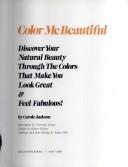
The canonical beginner text on color analysis and seasonal palettes; builds the foundational color intuition that all later editorial and trend work depends on.
Color & Garment Mastery
BeginnerDeepen color theory knowledge and learn how fabric, texture, and garment construction choices amplify or undermine a styling concept.
▸ Study plan for this stage
Pace: 6–8 weeks, ~25–30 pages/day (alternating between Albers' visual-intensive chapters and Baugh's reference material)
- Color relativity: how colors appear different depending on their surrounding colors and contexts (simultaneous contrast, color vibration, and spatial effects)
- Optical mixing and color perception: understanding how the eye blends colors and how this applies to fabric patterns and garment combinations
- Fabric hand and drape: how fiber content, weave structure, and weight affect how a garment moves and interacts with the body
- Texture as visual and tactile language: using surface texture to enhance or soften color impact and create styling hierarchy
- Garment construction fundamentals: seams, closures, and structural details that influence how color and texture are perceived on the body
- Color-fabric synergy: matching color theory principles with specific textile properties to amplify or subdue a styling concept
- Seasonal and weight considerations: how fabric weight and fiber blend affect color saturation and how garments layer together
- How does simultaneous contrast (from Albers) explain why the same color looks different when paired with different garment textures or adjacent colors?
- What is the difference between optical mixing in Albers' color studies and how it manifests in woven or printed fabrics from Baugh's directory?
- How do fiber content and weave structure (cotton twill vs. silk charmeuse, for example) change how a color reads on the body?
- How would you use texture strategically to either amplify or soften the impact of a bold color choice in an outfit?
- What role does garment construction (seam placement, closure type, hem finish) play in how color and texture are perceived as a cohesive styling concept?
- How do you select fabrics for a specific styling concept by considering both color theory and textile properties together?
- Complete Albers' color exercises (Study Interaction of Color's practical assignments) by creating color swatches that demonstrate simultaneous contrast, then photograph them next to actual fabric samples to see how the principles translate
- Build a fabric swatch library organized by fiber content and weave type; note how the same color appears in different textures (matte vs. shiny, smooth vs. nubby) and write observations on perceived color shift
- Select one color from Albers' studies and source 5–8 different fabrics in that color from Baugh's directory descriptions; drape them on a dress form or mannequin and document how construction details and texture change the color's visual impact
- Analyze 3 existing garments you own: identify the fiber content, weave, and construction details using Baugh's reference framework, then explain how these choices either support or undermine the intended color story
- Create a mood board pairing Albers-inspired color relationships with specific fabrics from Baugh's directory; write a brief styling concept statement explaining how the textile choices amplify the color theory
- Practice draping: take a neutral base garment and layer it with 2–3 pieces in colors that create simultaneous contrast (per Albers); photograph and reflect on how texture and garment construction affect the color interaction
Next up: This stage equips you with the visual literacy to understand *why* colors and textures work together, preparing you to apply these principles strategically in the next stage—whether that's personal color analysis, outfit composition, or designing cohesive capsule wardrobes.
Moves color understanding from seasonal typing to true perceptual theory — essential for stylists who need to build and contrast color stories in a shoot or look.

Provides a thorough grounding in fabrics, drape, and texture so the stylist can make informed choices about how garments will photograph and move on the body.
Trend Literacy & Fashion Context
IntermediateUnderstand how trends are born, tracked, and translated into wearable styling decisions, and situate that knowledge within fashion history.
▸ Study plan for this stage
Pace: 4–5 weeks, ~40–50 pages/day (DK's visual format allows faster absorption; plan 2–3 focused reading sessions per week with reflection time)
- Fashion as a reflection of historical, social, and economic conditions—how external forces shape what we wear
- The mechanics of trend cycles: how trends emerge, peak, decline, and sometimes resurface across decades
- Key fashion eras and their defining silhouettes, fabrics, and aesthetics (from ancient dress through contemporary fashion)
- The role of cultural gatekeepers (designers, media, royalty, celebrities) in legitimizing and spreading trends
- How to read a garment's historical context: construction techniques, materials, and styling choices as evidence of its era
- The difference between fashion (temporary trends) and style (enduring personal expression rooted in historical knowledge)
- How to trace a single design element or silhouette backward through history to understand its origins and evolution
- How did the Industrial Revolution and the rise of mass production change the relationship between fashion and social class?
- Pick a specific fashion era from the book (e.g., Victorian, Art Deco, 1960s). What were the dominant silhouettes, and what social or political forces drove them?
- What is the difference between a trend and a timeless style element? Give an example from the book of each.
- How do designers and fashion media create and amplify trends? What role do cultural figures play in this process?
- Trace one design element (e.g., the hemline, the corset, the blazer) across multiple eras in the book. How has it evolved, and why?
- Why do certain fashion trends from the past resurface in contemporary styling? What determines whether a revival feels authentic or gimmicky?
- Timeline mapping: Create a visual timeline of 5–6 major fashion eras from the book, noting the key silhouettes, fabrics, and one major historical event that influenced each era. Annotate with sketches or images from the book.
- Trend archaeology: Select one contemporary trend you've observed (e.g., oversized blazers, maxi skirts, minimalism). Research its appearance in the book's historical sections, then write a 1-page analysis of how and why it has resurged.
- Garment deconstruction: Choose 3 garments from your own closet. For each, identify its historical roots using the book's visual references, then write a short paragraph explaining what era(s) it echoes and why you chose it.
- Era styling challenge: Pick one fashion era from the book and create a modern outfit that honors its key design principles without copying it literally. Photograph or sketch it, then explain your choices in 1–2 paragraphs.
- Trend cycle analysis: Select a trend mentioned or shown in the book (e.g., the mini skirt, punk fashion, minimalism). Plot its emergence, peak, decline, and any revivals on a graph, then write notes on what cultural moments triggered each phase.
- Designer influence study: Identify 2–3 designers featured prominently in the book. Research how each one shaped trends in their era, then create a one-page comparison of their design philosophies and lasting impact on contemporary fashion.
Next up: This stage equips you with the historical literacy and trend-tracking vocabulary needed to move into the next stage, where you'll apply this contextual knowledge to develop a personal styling framework and learn how to curate a wardrobe with intentional, informed choices.
The definitive professional guide to trend research and forecasting methodology — teaches stylists how to read cultural signals and translate them into cohesive looks.

A richly visual survey of fashion history that gives stylists the historical references needed to contextualize current trends and build mood boards with depth.
Editorial Styling: Concept to Camera
IntermediateLearn the professional workflow of an editorial shoot — conceiving a story, collaborating with photographers and art directors, and executing looks on set.
▸ Study plan for this stage
Pace: 4–5 weeks, ~25–30 pages/day, with 2–3 days per week dedicated to hands-on exercises and shoot planning
- Visual composition and framing as the foundation of editorial storytelling
- How photographers see and interpret light, color, and spatial relationships
- The role of the frame in directing viewer attention and creating narrative
- Technical and aesthetic decisions that communicate editorial concepts
- Collaboration between stylist and photographer through visual language
- How to translate styling concepts into photographic compositions
- The relationship between subject placement, background, and overall image impact
- How does understanding photographic composition help you style looks that photograph well on camera?
- What are the key compositional principles Freeman discusses, and how do they apply to editorial fashion imagery?
- How does the photographer's approach to framing and perspective influence the styling choices you make?
- What role does negative space play in editorial fashion photography, and how should it inform your styling decisions?
- How can you use Freeman's concepts of visual hierarchy and focal points to ensure your styled looks are the center of attention in a shot?
- What is the relationship between the photographer's eye and the stylist's role in creating cohesive editorial narratives?
- Analyze 5–10 editorial fashion spreads: identify the compositional techniques Freeman describes (framing, depth, balance, focal points) and note how styling supports or enhances these choices
- Shoot a test shoot (or gather reference images) of a single outfit styled three different ways; review the images with Freeman's compositional principles in mind and assess which styling choices work best photographically
- Create a mood board for a fictional editorial story that includes both visual references and written notes on how you would style looks to work within specific compositional frameworks
- Conduct a 'photographer's eye' exercise: spend a day photographing everyday objects and people, focusing on applying Freeman's principles of composition; review your images and reflect on how these lessons apply to fashion
- Collaborate with a photographer (or peer) to plan a mini shoot: discuss how specific compositional approaches will influence your styling choices, then execute and review results
- Write a brief styling brief for an editorial concept that explicitly addresses how your styling decisions support the photographer's compositional vision
Next up: This stage grounds you in the visual language of photography, enabling you to move forward into advanced editorial planning where you'll learn to conceive complete shoot narratives, manage complex collaborations, and solve real-world production challenges with confidence in how your styling choices will translate on camera.
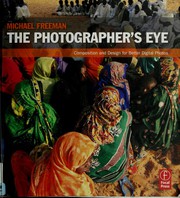
Teaches stylists to think visually through the camera's frame — understanding composition, light, and visual weight so they can collaborate fluently with photographers on set.
Professional Practice: Building Your Styling Portfolio
ExpertAssemble a professional identity as a stylist — curating a portfolio, understanding the business side of the industry, and positioning yourself for editorial, commercial, or personal styling work.
▸ Study plan for this stage
Pace: 4–5 weeks, ~20–25 pages/day, with 2–3 days per week dedicated to portfolio-building and business planning exercises
- Building a cohesive personal brand identity and visual aesthetic as a stylist
- Understanding the business fundamentals: pricing, contracts, client management, and financial planning
- Curating a professional portfolio that showcases your styling work across different categories (editorial, commercial, personal)
- Developing a business plan with clear positioning, target market, and revenue streams
- Navigating industry relationships: working with photographers, models, brands, and publications
- Creating professional systems for client communication, project management, and brand consistency
- Identifying your styling niche and competitive advantage in the market
- What are the core elements of your personal styling brand, and how do they differentiate you from other stylists?
- How would you structure your pricing model and service offerings for different client types (editorial, commercial, personal)?
- What should be included in a professional styling portfolio, and how do you organize it for different audiences?
- What are the key components of a business plan for a styling practice, and why is each essential?
- How do you identify and target your ideal client, and what marketing strategies would you use to reach them?
- What legal and financial systems do you need in place to operate professionally as a stylist?
- Create a personal brand statement and visual identity guide (mood board, color palette, aesthetic keywords) that defines your styling philosophy
- Develop a complete business plan including mission statement, target market analysis, service offerings, pricing structure, and 12-month financial projections
- Curate 3 distinct portfolio sections (e.g., editorial, commercial, personal styling) with 8–12 pieces each, with written case studies explaining your creative decisions
- Draft sample contracts and service agreements for different client types, including scope of work, payment terms, and usage rights
- Design a client intake form and project management system that you would use to onboard and work with clients
- Create a competitive analysis identifying 3–5 stylists in your target market and articulate your unique positioning
- Develop a 6-month marketing and outreach plan identifying key publications, brands, and potential clients you want to work with
Next up: This stage establishes you as a business-minded professional with a clear brand and portfolio; the next stage will likely deepen your expertise in specialized styling areas (e.g., luxury fashion, sustainability, or specific client demographics) or teach you advanced techniques for scaling your business and building long-term client relationships.

Covers the business structures, client relationships, and industry roles a working stylist must navigate — essential context before presenting a portfolio to clients or agencies.
Discussion
Keep reading
Paths that share books, cover the same subject, or open a related topic.