Beatmaking: The Best Books to Learn It, In Order
This curriculum takes a beginner beatmaker from zero to advanced, building skills in a deliberate order: first understanding music and sound fundamentals, then diving into drum programming and sampling, then mastering arrangement and mixing, and finally studying the creative philosophy behind beats that truly knock. Each stage builds the vocabulary and ear needed for the next, so no step feels like a leap.
Foundations: Music, Sound & the Producer Mindset
BeginnerUnderstand how music is structured, how sound works, and how producers think — building the mental framework before touching any gear or software.
▸ Study plan for this stage
Pace: 6–8 weeks, ~25–30 pages/day (alternating between both books to build conceptual depth)
- Music as a social and cultural artifact: how context, venue, and audience shape what music is and how it's perceived
- The physics and perception of sound: frequency, timbre, dynamics, and how the human ear processes audio information
- Structure and form in music: how songs are organized (verse, chorus, sections) and why certain arrangements work
- The producer's role and mindset: thinking like a problem-solver, making intentional creative choices, and understanding constraints as creative tools
- Creative strategy and decision-making: how to approach composition and production with systematic thinking rather than waiting for inspiration
- Listening as a skill: active, critical listening to understand how existing music achieves its effects
- The relationship between limitation and creativity: how working within constraints (genre, tools, time) drives innovation
- How does the context and venue of music (concert hall vs. club vs. home) affect how we perceive and create it?
- What are the key physical properties of sound, and how do they translate into musical elements like timbre and dynamics?
- How is a typical song structured, and why do certain structural patterns feel satisfying or effective to listeners?
- What is the producer's mindset, and how does it differ from the musician's or artist's perspective?
- Name three creative strategies from DeSantis that you could apply to your own music-making, and explain why each one matters.
- How can you use active listening to reverse-engineer the production and arrangement choices in a song you admire?
- Analyze a song you love: map out its structure (sections, timings, dynamics), then listen again and identify the specific production choices (EQ, reverb, panning, effects) that shape the sound.
- Visit or imagine three different venues (concert hall, bedroom, club, church) and describe how the same song would need to be mixed or arranged differently for each space, based on Byrne's ideas about context.
- Create a 'listening journal' over 2 weeks: pick one song per day, listen actively, and write down 3–5 observations about its sound design, arrangement, or emotional effect.
- Choose one creative strategy from DeSantis (e.g., 'set a constraint,' 'use randomness,' 'think in layers') and apply it to a simple 8–16 bar musical idea, documenting your process and results.
- Conduct a 'sound scavenger hunt': record or find 5 different examples of the same instrument (e.g., piano, drums, vocals) in different genres or contexts, then analyze how timbre and production change the perception.
- Write a short 'producer's brief' for a hypothetical song: define the audience, venue, mood, and three specific production decisions you'd make to serve that brief—justify each choice.
Next up: This stage establishes the *why* and *how* of music and production thinking, so you'll approach the next stage (gear, software, and technical skills) with intentionality rather than just learning buttons—you'll know what sound you're chasing and why.

A brilliant, accessible exploration of how music is shaped by context, space, and culture — gives the beginner a broad, inspiring lens on what music actually is before they start making it.

Written by an Ableton insider, this book addresses the creative and practical challenges every new beatmaker faces — writer's block, workflow, sound design thinking — and builds essential producer vocabulary.
Drum Programming & Rhythm: The Heartbeat of a Beat
BeginnerLearn to program drums with intention — understanding groove, swing, velocity, and the rhythmic patterns that make a beat feel alive and knock.
▸ Study plan for this stage
Pace: 4–5 weeks, ~25–30 pages/day, with 2–3 days per week dedicated to hands-on drum programming practice
- Drum kit anatomy and sample selection: understanding kick, snare, hi-hat, tom, and percussion layers and how to choose samples that fit your sonic vision
- Groove and swing: how to program drums with human feel by offsetting timing, varying velocity, and understanding swing percentages
- Velocity and dynamics: using velocity curves and humanization techniques to create natural-sounding, expressive drum patterns
- Rhythmic pattern construction: building drum loops from basic patterns (4-on-the-floor, half-time, syncopation) and layering complexity intentionally
- Quantization and timing: when to quantize strictly for pocket and when to leave imperfections for groove
- Drum programming workflow: efficient DAW techniques, drum rack organization, and iterative pattern development
- Genre-specific drum patterns: recognizing and programming rhythm conventions in hip-hop, trap, house, and other genres
- How do you program a drum pattern with swing and human feel, and what role does velocity play in making it knock?
- What are the key differences between quantized and humanized drum timing, and when should you use each approach?
- How do you select and layer drum samples to create a cohesive kick, snare, and hi-hat foundation?
- What are the core rhythmic patterns in your chosen genre, and how do you build complexity on top of them?
- How do you use velocity curves and timing offsets to add dynamics and groove to a drum loop?
- What is your personal drum programming workflow, and how do you organize your samples and patterns for efficiency?
- Program a 4-bar drum loop with a tight, quantized kick and snare, then re-program it with swing and velocity variation to compare the feel
- Create three different hi-hat patterns (straight, syncopated, and half-time) over the same kick and snare foundation
- Build a full 8-bar drum pattern in your DAW using only one drum kit, focusing on velocity dynamics and timing offsets to create groove
- Analyze and recreate a drum pattern from a song in your favorite genre, documenting the kick placement, snare timing, and hi-hat rhythm
- Program a drum loop with intentional humanization: add swing, vary velocities by 5–15%, and offset hi-hats by 10–30ms
- Design a drum rack or sample folder with 5–10 kick samples, 5–10 snare samples, and 3–5 hi-hat samples; program three different patterns using different sample combinations
Next up: Mastering drum programming with groove and intention establishes the rhythmic foundation that all other beat elements (bass, melody, effects) will lock into, preparing you to layer and arrange those elements with confidence in the next stage.

A thorough, genre-spanning guide to programming drums electronically — covers patterns, swing, and feel across hip-hop, R&B, and electronic music, making it the ideal first dedicated drum study.
Sampling & Sound Selection: Building Your Palette
IntermediateMaster the art of finding, chopping, and flipping samples, and develop a trained ear for selecting sounds that serve the beat.
▸ Study plan for this stage
Pace: 4–5 weeks, ~20–25 pages/day, with 2–3 days per week dedicated to listening and analysis exercises
- How iconic samples define rap songs and eras—understanding the relationship between source material and final production
- The anatomy of a great sample: recognizing melodic hooks, rhythmic elements, and emotional resonance in source material
- Sample chopping and manipulation techniques as demonstrated through classic rap records analyzed in the book
- The cultural and historical context of sampling decisions—why producers chose specific songs and what made them work
- Developing a trained ear for spotting sample potential in obscure and well-known records
- The creative philosophy behind flipping samples: transforming source material while maintaining its essence
- Building a personal sound palette by studying the sampling choices of legendary producers discussed in the book
- What makes a sample 'iconic' in rap music, and how does Serrano illustrate this through specific examples in the book?
- Can you identify the original source material and explain why a producer chose it for a particular beat, using examples from the book?
- How do different eras of rap (as covered in the book) show evolution in sampling techniques and aesthetic choices?
- What qualities should you listen for when evaluating whether a sound or song could become a great sample?
- How does understanding the original context and cultural significance of a sample inform your own sampling decisions?
- What is the relationship between a sample's original emotional impact and its transformation in a rap beat?
- Create a 'sample map' for 5 iconic rap songs discussed in the book: identify the source material, the chopped elements, and how the original was transformed
- Listen to 3 original source songs and 3 rap songs that sampled them (from the book's examples); write detailed notes on what was kept, what was cut, and why the choice worked
- Spend 1 week actively listening to 10–15 records from different genres (soul, funk, jazz, rock) and document 5 sounds you identify as having 'sample potential' with reasoning
- Recreate the chopping pattern of one sample discussed in the book using your DAW—experiment with different loop points and playback speeds to understand the producer's choices
- Write a 'sampling philosophy' statement (500 words) based on patterns you've observed in the book about what makes samples work in rap production
- Conduct a 'blind listening' exercise: have someone play you 5 samples without context, and try to identify what makes each one effective before researching the original source
Next up: This stage trains your ear to recognize and understand the building blocks of great beats, preparing you to move into hands-on production techniques where you'll learn to actually source, chop, and layer samples into original compositions.

A culturally rich, year-by-year breakdown of hip-hop's most important songs — trains the ear and mind to recognize what makes a beat iconic, providing crucial reference points for sampling taste.
Arrangement & Mixing: Making Beats That Translate
IntermediateLearn how to arrange a beat from intro to outro, balance frequencies, and mix so that the final product sounds professional on any speaker.
▸ Study plan for this stage
Pace: 8–10 weeks, ~25–30 pages/day (mix of reading and practical studio work)
- Room acoustics and monitoring setup: understanding how your listening environment affects mixing decisions and how to treat a small studio for accurate mixes
- Frequency balance and EQ: identifying problematic frequencies in individual tracks and using EQ to create separation and clarity across the mix
- Gain staging and levels: setting proper input and output levels throughout the signal chain to maximize headroom and minimize noise
- Panning, automation, and spatial arrangement: using stereo width, automation curves, and dynamic processing to create depth and movement in a beat from intro to outro
- Compression and dynamic control: using compressors to glue tracks together, control dynamics, and shape the character of individual instruments and the overall mix
- Reference monitoring and translation: using reference tracks and multiple listening environments to ensure mixes sound professional across different playback systems
- Beat arrangement structure: organizing intro, verse, chorus, and outro sections with strategic use of automation, effects, and level changes to maintain listener interest
- What are the key acoustic treatment priorities for a small studio, and how do room modes and reflections affect your mixing decisions?
- How do you use EQ to create frequency separation between competing instruments in a beat, and what are common problem frequencies in hip-hop/trap production?
- Explain the relationship between gain staging, headroom, and the ability to add compression and effects without distortion or loss of clarity.
- How does automation enhance a beat's arrangement, and what are practical examples of automating volume, panning, or effects across an intro-to-outro structure?
- What is the difference between mixing for translation versus mixing for a single reference system, and why do reference tracks matter?
- How do you use compression to glue a mix together, and what are the key parameters (ratio, attack, release) for different mixing purposes?
- Set up a basic room treatment plan for your studio: identify flutter echo, standing waves, and reflections using the guidance in Senior's book, then implement at least 3 acoustic improvements and measure the difference with a frequency analyzer app.
- Take one of your own beats and apply EQ to each track following Senior's 'before and after' methodology: identify one problem frequency per track, use a narrow Q to isolate it, and document how the mix improves.
- Perform a complete gain staging pass on a full beat: set input levels to leave 6dB of headroom, adjust fader levels, and verify output doesn't exceed -3dB; compare the clarity and headroom before and after.
- Arrange a 16–32 bar beat with a clear intro, main section, and outro using automation: automate at least 3 elements (volume, panning, or filter cutoff) to create dynamic interest and smooth transitions between sections.
- Mix a beat using at least 2 reference tracks: compare your mix on studio monitors, headphones, and a phone speaker; identify translation issues and make corrective EQ/compression adjustments.
- Apply compression to 3 different tracks (drums, bass, melodic element) with different settings based on Owsinski's guidelines: document the ratio, attack, release, and threshold for each, and explain how each serves a different mixing purpose.
Next up: This stage equips you with the technical and creative skills to produce radio-ready beats; the next stage will focus on advanced production techniques like sound design, layering, and genre-specific mixing strategies to elevate your signature sound.

The definitive guide to getting great mixes in untreated home studios — essential for beatmakers who need their work to translate beyond headphones, covering EQ, compression, and stereo imaging clearly.
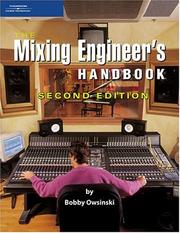
A canonical industry reference that goes deeper into the philosophy and technique of mixing — reading this after Senior's book elevates the beatmaker's ear from functional to professional.
Advanced Craft: The Philosophy of Beats That Knock
ExpertInternalize the mindset, workflow, and artistic philosophy of elite beatmakers — understanding what separates good beats from great ones that move people.
▸ Study plan for this stage
Pace: 6–8 weeks, ~25–30 pages/day, with 2–3 days per week dedicated to hands-on production work in Ableton Live
- The producer's mindset: balancing technical mastery with artistic vision and emotional intent
- Decision-making frameworks in record production—when to add, subtract, or transform elements for maximum impact
- Workflow optimization in Ableton Live: building habits and systems that enable creative flow rather than technical friction
- The role of arrangement, mixing, and sound design in creating beats that resonate emotionally and sonically
- Understanding the relationship between constraint and creativity—using limitations as compositional tools
- Ear training and critical listening: developing the ability to hear what separates professional from amateur production
- Iterative refinement as a core practice: how elite beatmakers approach revision and polish
- Translating philosophy into practice: turning conceptual understanding into reproducible production techniques
- What is the producer's role in record production, and how does it differ from engineering or composition alone?
- How does Burgess define the relationship between technical skill and artistic vision in creating compelling records?
- What are the key workflow principles in Ableton Live that enable faster iteration and creative decision-making?
- How do arrangement and mixing decisions directly impact whether a beat 'knocks' and moves a listener emotionally?
- What constraints or limitations have you imposed on yourself in a production, and how did they shape the final result?
- How do you know when a beat is finished, and what criteria separate a good beat from a great one in your own work?
- Read and annotate 2–3 chapters from 'The Art of Record Production' per week, focusing on case studies of how elite producers made critical decisions; write a one-page reflection on how each decision shaped the final record
- Produce one complete beat per week in Ableton Live (4–6 weeks total), deliberately applying one new workflow principle or production philosophy from Burgess per beat
- Deconstruct three professional beats in your genre using Ableton's Session View: map out the arrangement, identify mixing choices, and document the decision logic you infer
- Create a 'production philosophy statement' (500–750 words) that articulates your own approach to beatmaking, grounded in concepts from Burgess and your Ableton practice
- Conduct a blind A/B listening test: compare your beats against professional reference tracks in the same genre, and identify 3–5 specific sonic or arrangement differences; plan concrete revisions
- Build a custom Ableton Live template that embodies your optimized workflow (track organization, default effects chains, macro controls); document why each element serves your creative process
Next up: This stage establishes the philosophical and technical foundation for intentional, professional-level beatmaking; the next stage will likely focus on specialization (genre mastery, advanced sound design, or collaborative production) or scaling (finishing and releasing music, building a catalog).
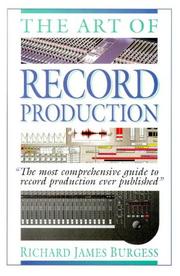
A deep, scholarly yet readable examination of what producers actually do creatively and technically — at this stage, it reframes everything learned so far through the lens of intentional artistry.

Ties together all prior knowledge — drum programming, sampling, arrangement, and mixing — into a practical, DAW-based workflow, cementing advanced techniques into a repeatable creative process.
Discussion
Keep reading
Paths that share books, cover the same subject, or open a related topic.